Along the sacred banks of the Yamuna River in Agra stands the Kailash Mahadev Temple, a revered site in Uttar Pradesh where living worship intersects with deep cultural memory. Local tradition holds that the shrine is exceedingly ancientbelieved by devotees to be over ten thousand years oldand that its two Shivlings were consecrated by Lord Parashurama. Regardless of chronological debates, the site’s uninterrupted ritual life affirms a continuous thread of faith, heritage, and symbolism.
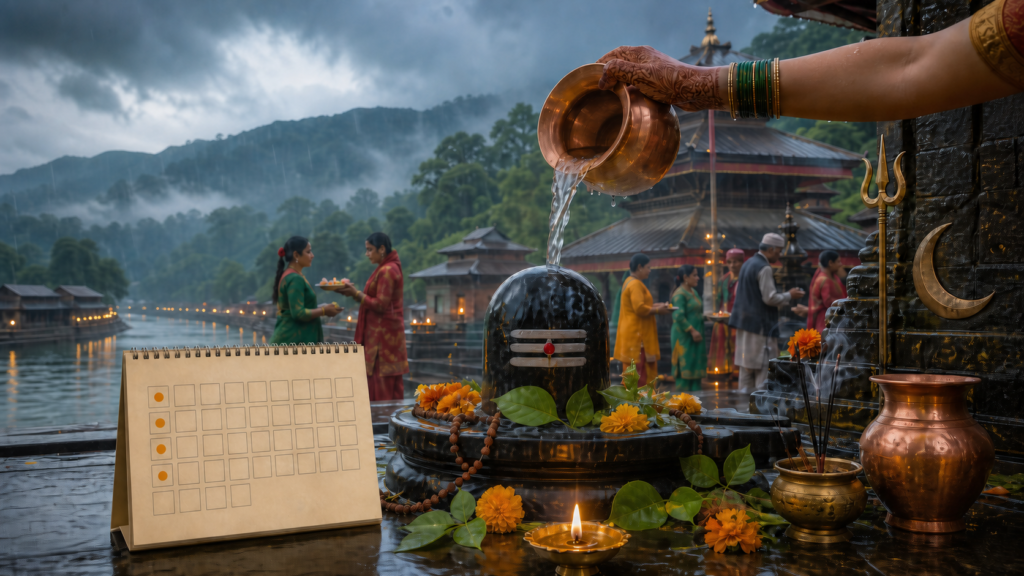
The presence of two Shivlings invites reflection on Shiva’s complementary dimensions: stillness and motion, detachment and guardianship, dissolution and renewal. In an academic reading of temple symbolism, an aniconic Shivling emphasizes the formless Absolute, while its placement within a living temple ecosystem anchors transcendence in community practice. The duality does not divide; it harmonizes, helping visitors see multiplicity as a pathway to unity.
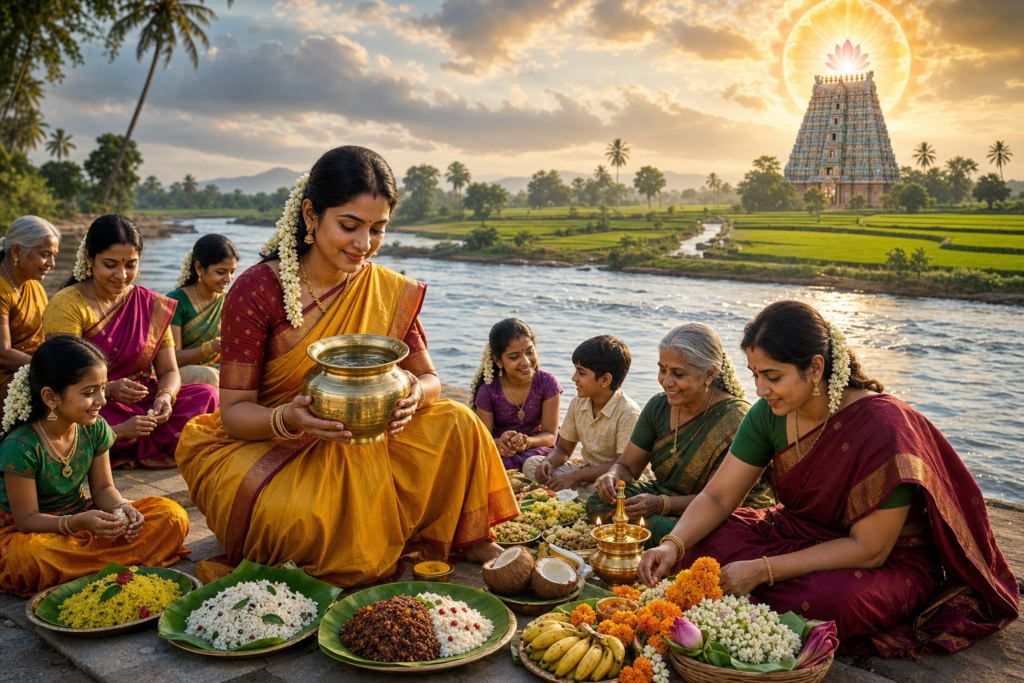
The Yamuna’s sanctity amplifies the temple’s aura. Rivers in the dharmic traditions embody purification, continuity, and the cyclical rhythms of existence. At Kailash Mahadev Temple, the confluence of river breeze, conch calls, and temple bells creates a sensory field in which many pilgrims report a calm, reflective state. Such experienceswalking barefoot on cool stone at dawn or listening to evening aarti by the waterbecome shared memories that bind generations.
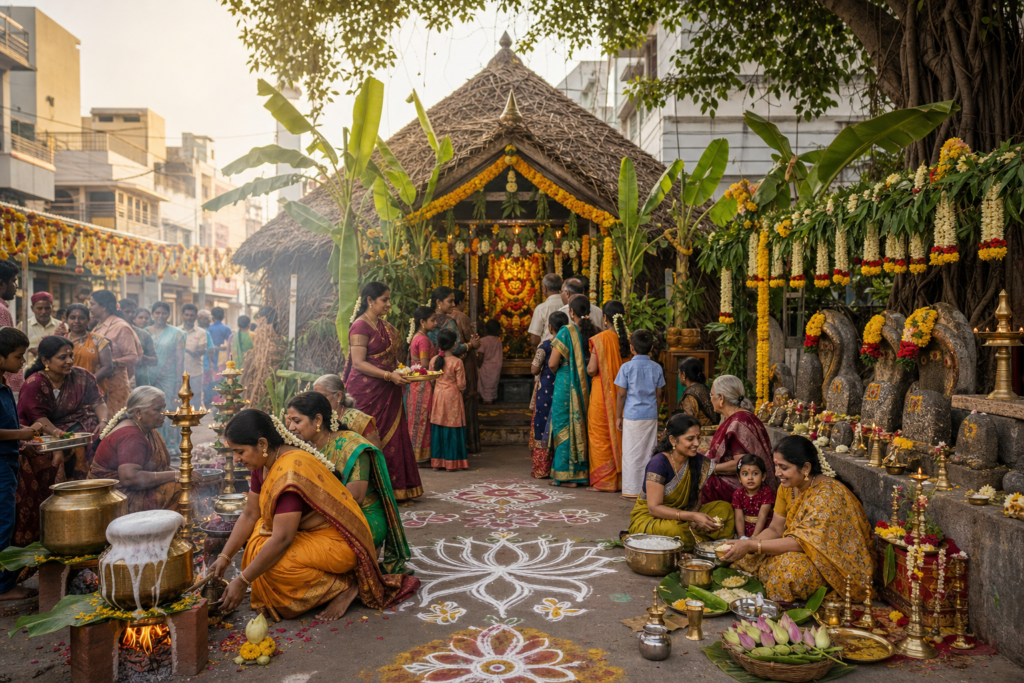
Ritual life here is steady and unpretentious. Pradosh and Mahashivaratri draw larger congregations, yet everyday darshan retains a contemplative cadence. Devotees often describe the sanctum’s quiet as an invitation to introspection; the temple’s humility foregrounds practice over spectacle, allowing symbolism to be felt rather than merely observed.
Invoking Lord Parashurama situates the temple within a broader narrative of tapas, discipline, and ethical resolve. Across Hindu literature, Parashurama represents the rigorous transformation of self through duty and restraint. In this light, the consecration motif communicates not only historical reverence but a pedagogical impulse: resilience, self-mastery, and alignment with dharma.
The temple’s meanings resonate beyond a single tradition, speaking to shared values across Hinduism, Buddhism, Jainism, and Sikhism. Silence, compassion, self-discipline, and service recur as common ethical motifsmirrored in practices as diverse as seated meditation, ahimsa, and langar. By honoring plurality in worship and thought, the site reflects a dharmic vision in which many paths converge without erasing their distinct textures.
Architecturally, the shrine emphasizes function and devotion over grandeur. The aniconic form of the Shivling focuses attention on essence rather than representation. Minimal ornamentation keeps the devotee’s gaze inward, aligning with a classical Indic insight: that the most enduring sanctuaries are those that gently center attention on the Self, the river, and the rhythm of mantra.
For visitors and pilgrims, practical considerations enhance the experience. Early mornings and twilight offer soft light on the Yamuna and quieter queues for darshan. Respecting local customsremoving footwear, modest attire, and mindful silencepreserves the sanctity of the space. Environmentally conscious offerings and participation in community observances further connect personal devotion with collective well-being.
In Agra’s cultural landscape, the Kailash Mahadev Temple stands as a living bridge between ancient heritage and present devotion. Its two Shivlings, river setting, and enduring rites illuminate how symbolism, practice, and place interact to sustain a sacred ethos. The temple’s message is clear and inclusive: unity is not uniformity; it is harmony across diverse, dharmic paths that honor both transcendence and the everyday.
Inspired by this post on Hindu Blog.