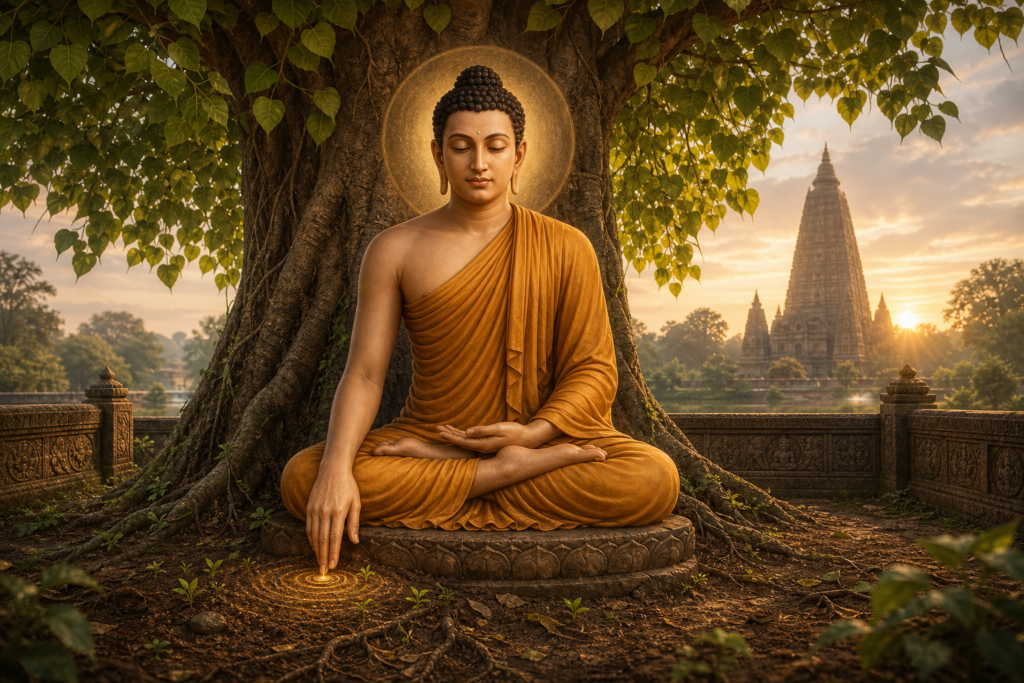
Hinduism, as part of the broader family of dharmic traditions, offers an enduring pathway from self-surrender to true self-discovery. At the heart of this vision is Atma Samarpanaan intentional releasing of egoic fixationand its culmination in Self-Realization, the experiential recognition of the deeper Self (Atman). This progression, celebrated across Sanatan Dharma, harmonizes with kindred insights in Buddhism, Jainism, and Sikhism, where disciplined practice, compassion, and inner transformation converge to cultivate freedom, wisdom, and service.
Atma Samarpana is not resignation; it is a conscious reorientation from ahamkara (ego-centeredness) to dharma-aligned living. Texts such as the Bhagavad Gita and the Upanishads frame surrender as disciplined openness: trust in Ishvara (the Divine) or the highest truth (Brahman), ethical self-regulation, and a steady willingness to let go of grasping. Rather than diminish agency, this surrender refines it, allowing action to flow with clarity, humility, and responsibility.
True self-discovery arises as Atma-jnanathe direct understanding that one’s innermost identity is not limited to body or mind. The Upanishadic emphasis on the Self (Atman) as pure awareness complements meditative insights recognized across Dharmic philosophies. While Buddhism articulates an anatma (non-self) perspective and Jainism refines the path through ahimsa and aparigraha, these traditions intersect practically: all cultivate freedom from clinging, deepen compassion, and illuminate a path toward liberation (moksha).
Hinduism’s plural pathways integrate surrender in distinctive ways. In Bhakti, surrender is loving entrustment to the Divine. In Jnana, it is the surrender of false identification through inquiry. In Karma Yoga, it is the offering of action and result without attachment. Sikhism resonates through seva (selfless service) and simran (remembrance), while Jainism’s disciplined ethics and Buddhism’s mindfulness reveal convergent practices that refine perception and soften egoic habit. This unity in spiritual diversity honors Ishtathe freedom to approach truth in forms suited to one’s naturewithout compromising the shared quest for wisdom and compassion.
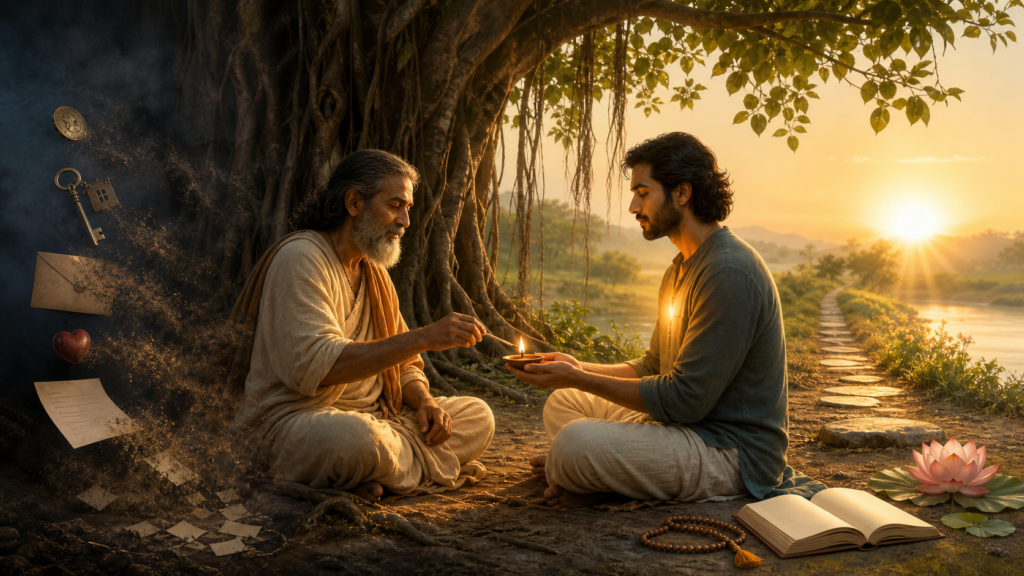
Practical disciplines operationalize surrender and self-knowledge: meditation (dhyana) calms reactivity; japa and mantra stabilize attention; pranayama clarifies the mind; svadhyaya (scriptural study) aligns understanding; and satsanga (company of the wise) strengthens discernment. Within the Guru-Shishya Tradition, guidance supports steady progress, integrating insight with ethical living. Over time, these methods cultivate equanimity, clarity, and karuna (compassion), hallmarks of inner freedom.
Consider a common dilemmauncertainty in a difficult decision. Approached through Atma Samarpana, one pauses, breathes, silently offers intentions, and acts without grasping at outcomes. This simple discipline reduces agitation, widens perspective, and yields wiser choices. The shift is palpable: less self-centered urgency, more lucid courage; less fear, more steadiness. Such moments reveal how surrender refines action rather than replacing it.
Ethically, self-surrender matures into service. Karma Yoga’s orientation to lokasangraha (the welfare of the world) translates inner clarity into social responsibilitycare for family, community, and environment. Across dharmic traditions, this maturation appears as compassion in action: ahimsa in speech and conduct, generosity without display, and humility that welcomes dialogue and pluralism. The inner discovery of the Self, or the release of the self-concept, naturally extends into respect for diverse paths and a commitment to peaceful coexistence.
In sum, the eternal message is coherent and practical: surrender what obscures, discover what endures. Through Bhakti, Jnana, Karma Yoga, and allied practices honored in Buddhism, Jainism, Sikhism, and Hinduism, seekers cultivate freedom from egoic fixation and awaken to an inner light of wisdom and compassion. This shared, pluralistic journeyguided by the Bhagavad Gita, the Upanishads, and living traditionsnurtures a culture of unity in diversity and empowers a life of clarity, integrity, and service.
Inspired by this post on Hindu Blog.