Purnima, the Full Moon in the Hindu calendar, occurs on the fifteenth lunar day (Shukla Paksha) and is revered across regions under names such as Pournami, Puranmashi, Poonam, Veluthu Vavu, and Hunnime. In 2026, practitioners can expect the lunar year to include twelve Purnima tithis in most Panchang traditions, with regional observance times varying by location and time zone. As a spiritual marker of completeness and illumination, Purnima 2026 holds particular importance for Purnima Vrat, Satyanarayana Puja, and contemplative practices that nurture clarity, devotion, and community harmony.
Purnima Vrat aligns with the Full Moon’s ascending energy, which many devotees describe as conducive to focused prayer, meditation, and acts of service (daan). Observing Puranmashi 2026 dates according to a trusted regional Panchang ensures alignment with the precise start and end of the Purnima tithi. The practice is both disciplined and compassionate: it encourages purity (snan, sattvic food), sustained attention (japa, parayanam), and goodwill (seva), while accommodating health needs and family responsibilities.
Across the lunar year, Purnima recurs in each month of the Hindu calendar: Paush, Magha, Phalguna, Chaitra, Vaishakha, Jyeshtha, Ashadha, Shravana, Bhadrapada, Ashwin, Kartik, and Margashirsha. While this guide presents the month-wise sequence for 2026, exact civil (Gregorian) dates differ by geography and Panchang tradition. For accurate Purnima 2026 datesincluding moonrise details for Purnima Vratconsult a regional almanac (Panchang) or temple calendar that follows local sunrise-sunset and tithi calculations.
Observance customs on Pournami are both simple and profound. Many begin at dawn with a sacred bath (snan) and a sankalpa (resolve) to undertake Purnima Vrat. Through the day, devotees maintain a sattvic diet or fast according to family tradition and health, recite Vishnu Sahasranama or the Bhagavad Gita, and offer puja to Sri Vishnu as Satyanarayana. At moonrise, Chandra darshan, quiet meditation, and charityfood, grains, or clothingreinforce the Full Moon’s spirit of completeness and care.
Common Purnima pujas include Satyanarayana Puja, Sri Lakshmi Puja (in select regions), Chandra Puja, and collective satsang. Households and temples often schedule readings (parayanam) and kirtan in the evening, aligning devotion with the gentler, reflective mood of moonlight. These practices, while rooted in Vedic tradition, remain accessible: even a brief observancelamp lighting, mantra japa, or feeding the needycan be spiritually meaningful on Puranmashi 2026 dates.
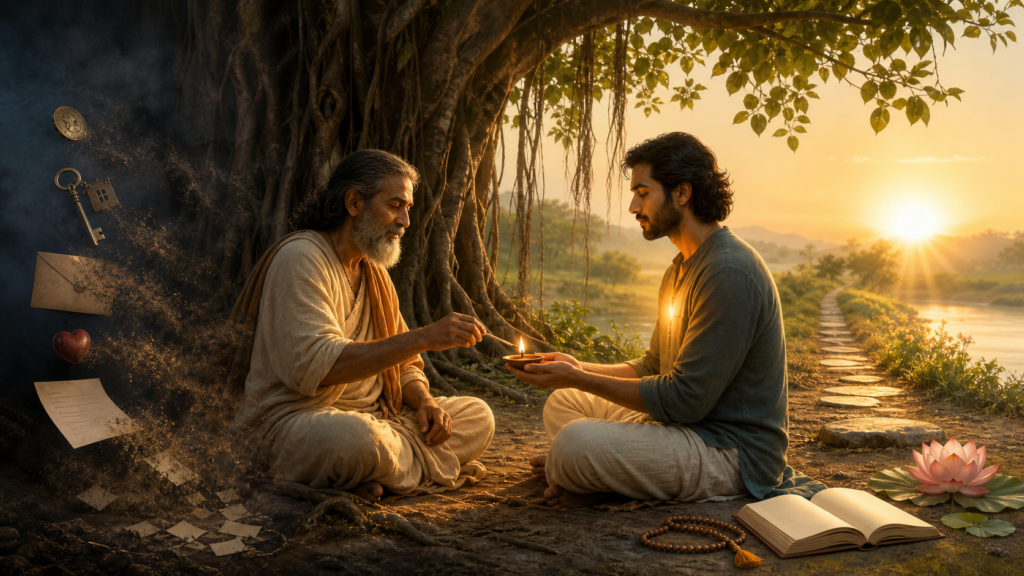
Several Full Moons are especially celebrated for their thematic focus. Guru Purnima honors the lineage of teachers and the guiding light of knowledge; Sharad Purnima is associated with cool, healing moonlight and divine love; Kartik Purnima emphasizes purity, pilgrimage, and worship by lamp offerings; Magha Purnima highlights merit through bathing and charity. In 2026, these observances continue to inspire personal reflection, ethical action, and community cohesion.
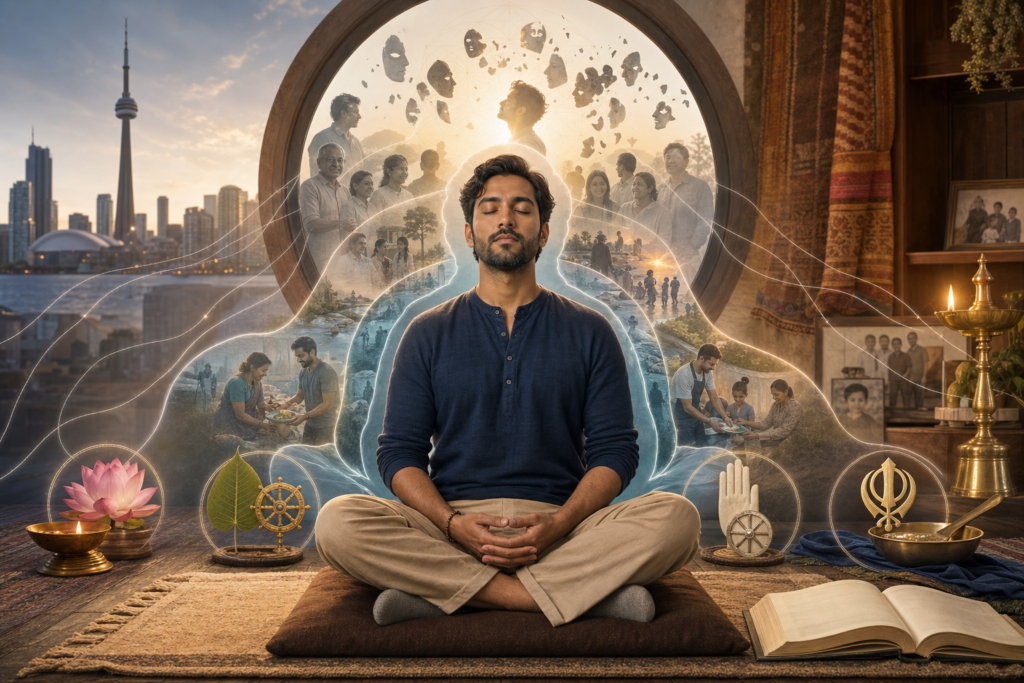
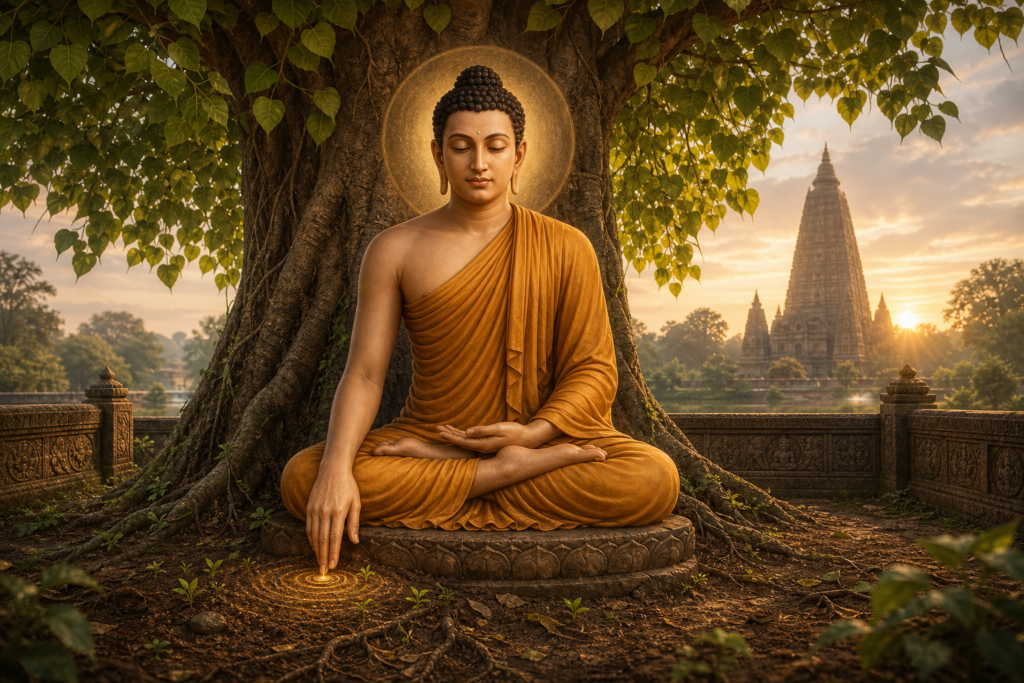
The Full Moon’s resonance extends across dharmic paths. In Buddhism, the Vaishakha Full Moon is central to Vesak commemorations; in Jain traditions, Full Moon days support vrata, pratikraman, and scriptural study; in the broader dharmic family, the lunar cycle offers a shared rhythm for contemplation, compassion, and service. Emphasizing unity in diversity, Pournami invites communities to honor distinct practices while nurturing mutual respect and goodwill.
Calendrical precision matters for Purnima Vrat in 2026. The tithi may begin or end between two civil dates, and some communities observe on the evening when the Moon is visible, while others follow tithi boundaries strictly. Because rare years can include an adhika māsa (intercalary month), practitioners should confirm any additional Full Moon with their regional Panchang or local temple. Aligning devotion with accurate timing deepens both the discipline and the experience of worship.
Ultimately, Purnima 2026 offers a structured path to inner clarity and communal harmony. Whether through fasting, puja, dhyana, or charitable giving, Full Moon practice transforms intention into action. By approaching each Puranmashi with sincerity and compassion, devotees strengthen personal well-being and contribute to a culture of shared uplift that honors the common spiritual heritage of Hinduism, Buddhism, Jainism, and Sikhism.
Inspired by this post on Hindu Pad.