Sri Sundara Venkateswara literally signifies “The Beautiful Lord Venkateswara,” an epithet that foregrounds the aesthetic grace and spiritual magnetism associated with the presiding deity of Tirumala. Across centuries, pilgrims have noted that the Lord’s darshan at Tirupati is profoundly shaped by visual symbolism, devotional atmosphere, and the disciplined rhythm of Hindu temple rituals that together evoke a sense of serenity and devotion.
A defining feature of this sacred aesthetics is the prominent Namamalso known as Thiruman or Thirunamamapplied on the forehead of Lord Venkateswara. In the Vaishnava tradition, this urdhva pundra (vertical tilaka) is fashioned with sacred white clay and a central red or ochre line (Sri-churnam), signifying both Vishnu’s presence and the compassionate grace of Sri. The Namam is not merely ornamental; it is an emblem of theology and devotion, guiding the gaze upward during darshan and enhancing the contemplative focus on the Lord’s countenance.
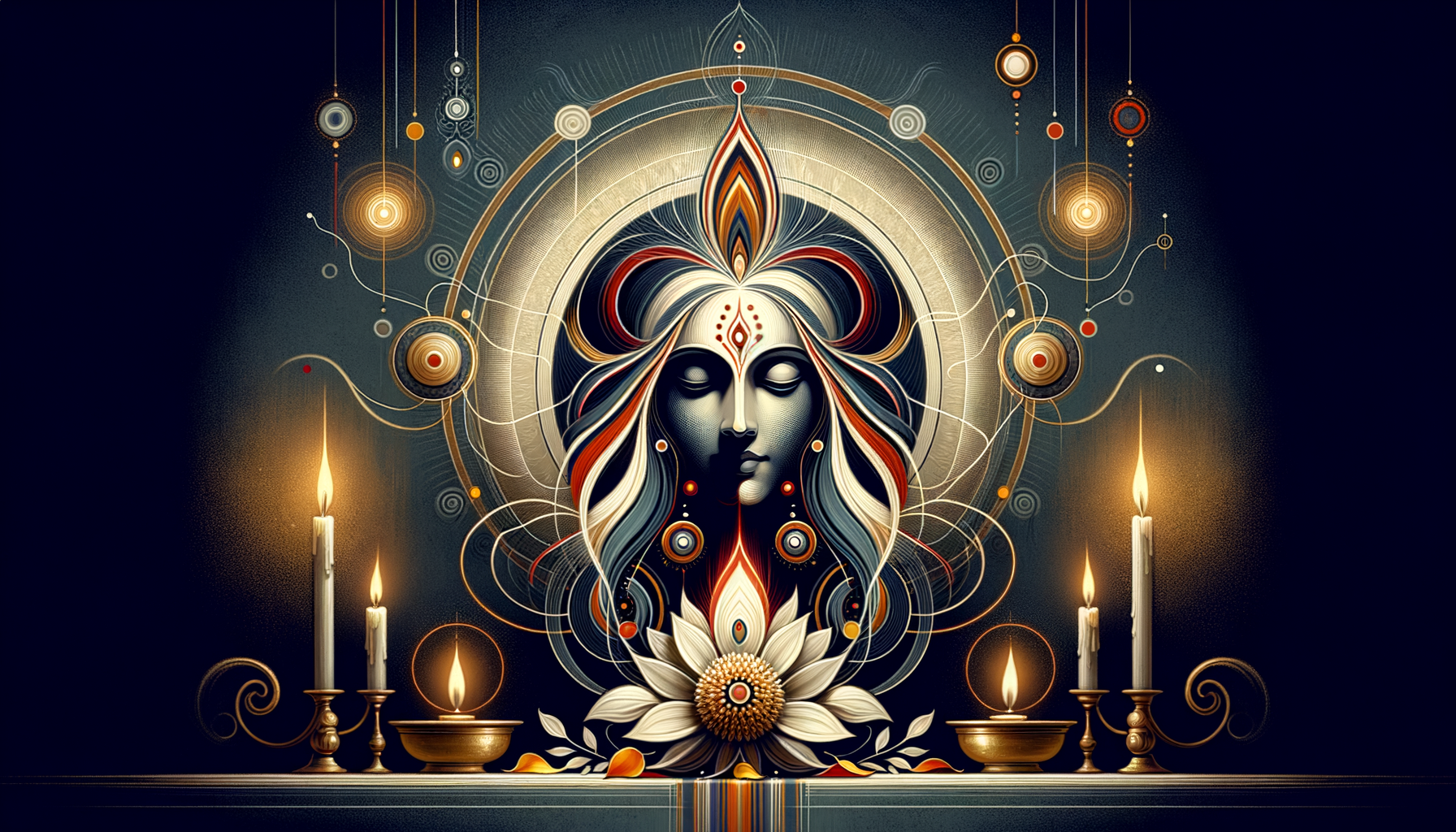
The ritual alankara at Tirumalaflowers, jewels, sandal paste, and the meticulously drawn Namamembodies an art of worship that integrates beauty (saundarya) with bhakti. The balanced geometry of the tilaka, the glow of lamps, and the cadence of kirtan together cultivate an experience of shringara and shanta rasa, where aesthetic delight becomes a doorway to inner stillness. This devotional artistry has long been recognized within Vaishnavism as a pedagogy of the heart, inviting seekers to encounter transcendence through form, color, and fragrance.
Many pilgrims describe the first glimpse of the Namam during darshan as a moment of anchoringa visual mantra that quiets the mind and steadies the breath. The sight of the broad white lines and the vivid central streak often evokes feelings of protection, gratitude, and renewed resolve. Such shared experiences, passed down through family traditions and community narratives, illustrate how sacred imagery supports daily sadhana, turning reverence into a sustained practice of remembrance.
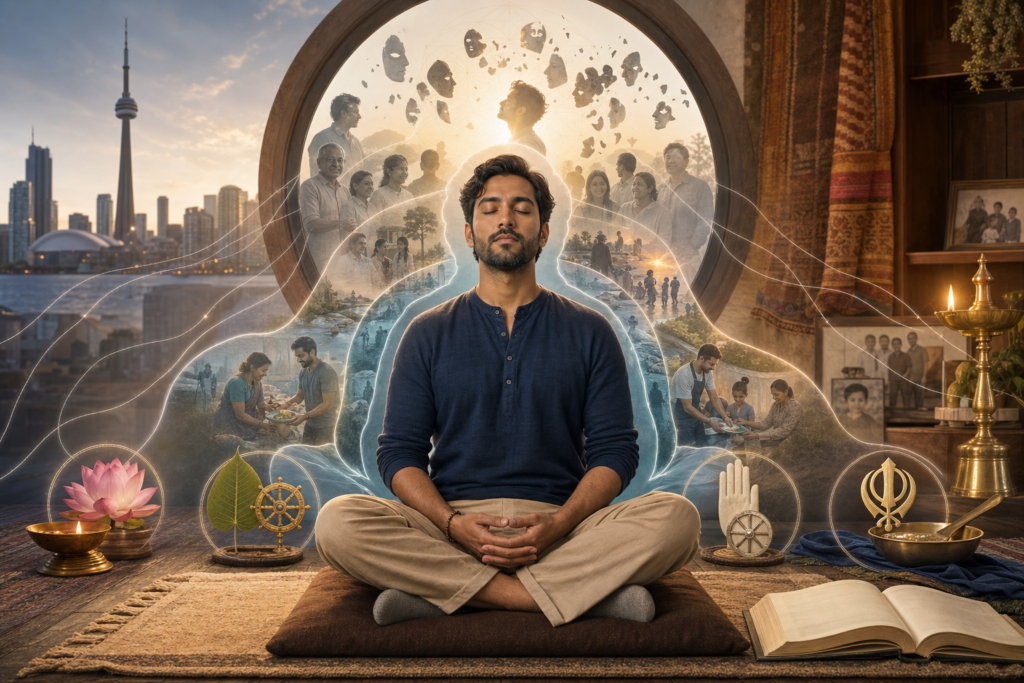
The symbolism of the Namam also resonates within the wider dharmic ethos that values sacred markings, mindful adornment, and devotional music as pathways to the divine. While expressions vary across Hinduism, Buddhism, Jainism, and Sikhism, there is a common affirmation of inner beauty, ethical living, and reverence for the sacred. This shared cultural vocabulary encourages inter-traditional respect: Vaishnava tilaka, Shaiva vibhuti, Jain tilak in puja, and the contemplative and musical traditions cherished across dharmic paths each nurture unity while honoring diversity.
For contemporary seekers, reflecting on the title “Sundara” becomes a meditative exercise: beauty is recognized as a sign of truth that elevates and harmonizes. Whether visiting Tirumala, chanting quietly at home, or studying the symbolism of urdhva pundra and temple alankara, the devotional focus on Sri Sundara Venkateswara offers a gentle method to cultivate gratitude, clarity, and compassion. In this way, the Namam on the Lord’s brow serves as an invitation to see with a refined heartuniting communities in a shared pursuit of inner peace and dharmic harmony.
Inspired by this post on Hindu Pad.