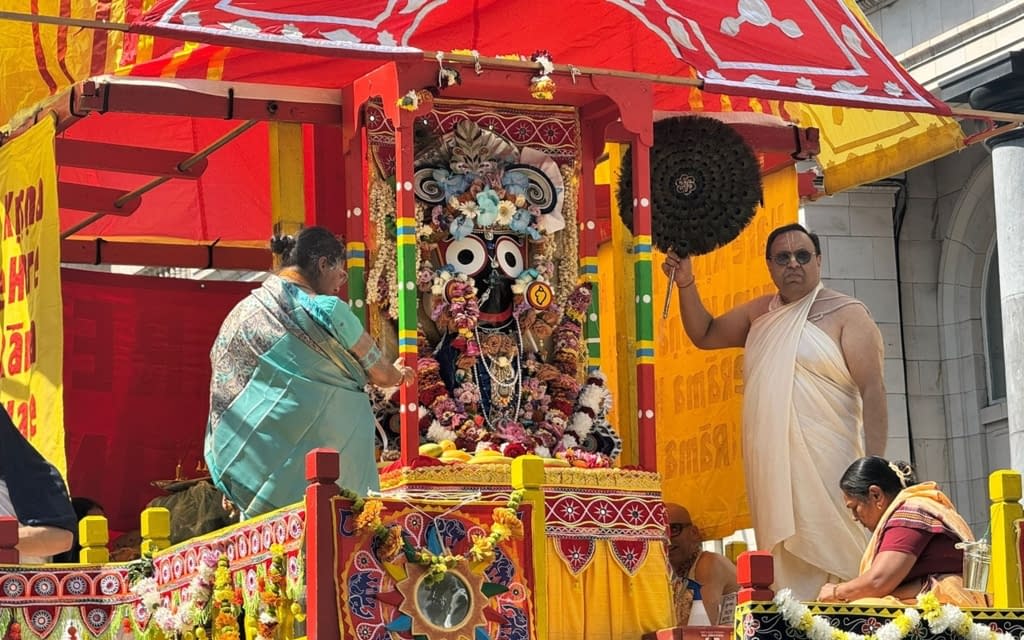
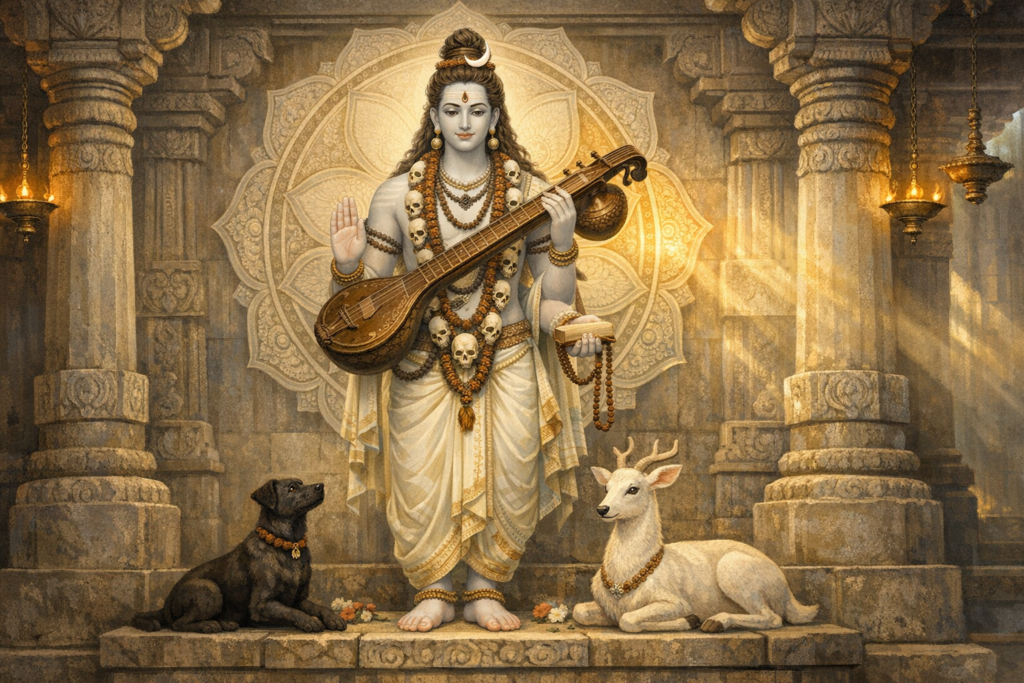
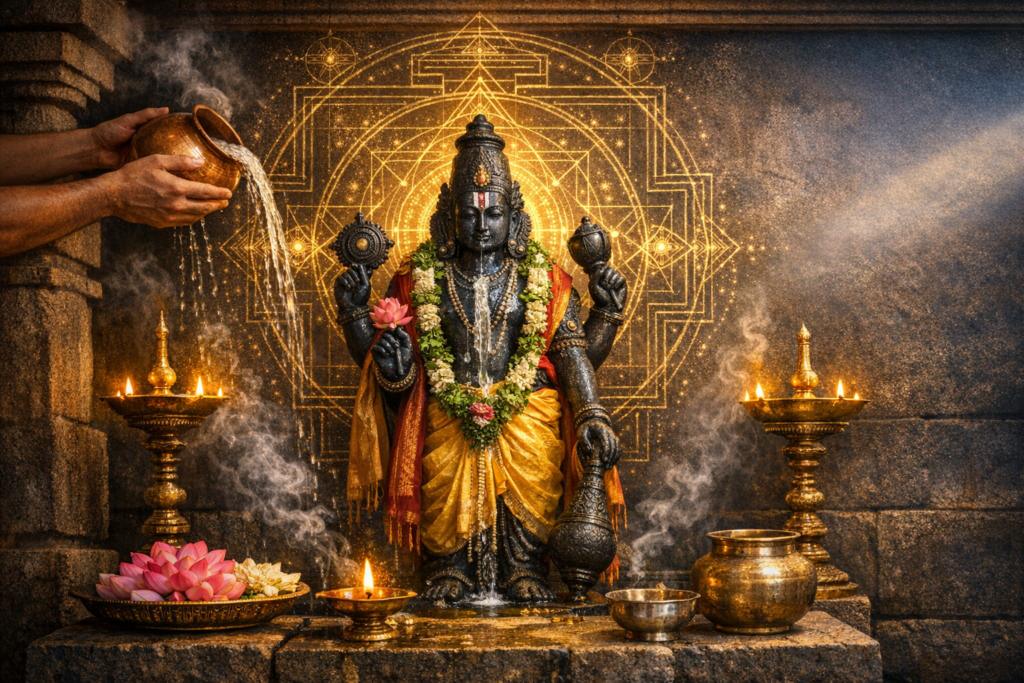
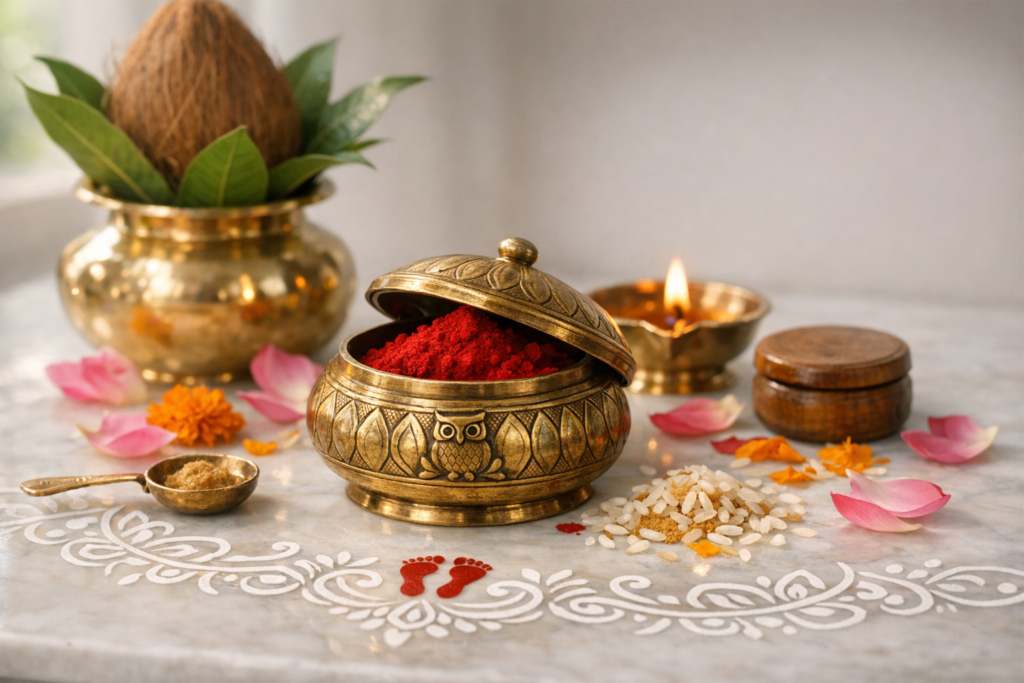
Madhura Bhava, often described as the sweet mood of devotion, occupies a central place in Bhakti Yoga. It invites practitioners to approach the Divine as a beloved, nurturing a heartfelt yearning for intimate union that channels the innate human longing for bliss. Within Hinduism’s Bhakti Tradition, this disposition transforms devotion into an experiential pathway where love, tenderness, and surrender become practical means to realize spiritual insight and inner peace.
Philosophically, Madhura Bhava is rooted in the aesthetics of bhava and rasa, where devotion is not merely an emotion but a cultivated spiritual sentiment. Traditions such as Gaudiya Vaishnavism describe madhurya-rasa as the apex of loving devotion to Krishna, illuminated by the poetry of Jayadeva, the songs of Andal and Mirabai, and the theological current of Srimad-Bhagavatam. By framing the Divine as the intimate beloved, the practitioner deepens faith, steadies attention, and refines ethical intention—hallmarks of Yoga and spirituality in the Indian context.
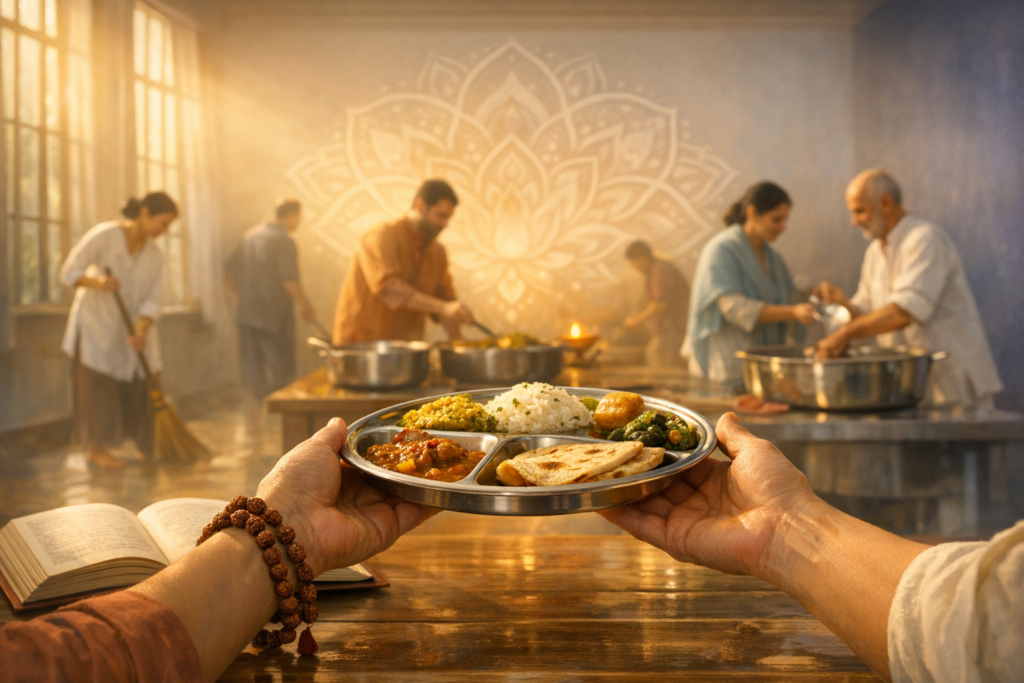
As a practical discipline in Bhakti Yoga, Madhura Bhava unfolds through accessible sadhana: kirtan that enlivens the heart, japa that steadies the mind, lila-smarana (contemplation of divine pastimes) that refines imagination, and seva that expresses love through service. Guided by a Guru-Shishya Relationship and harmonized with yama and niyama, these practices make devotion tangible in daily life. Many practitioners report that even brief periods of concentrated kirtan or silent japa can evoke a palpable softness—a devotional intimacy that supports focus, emotional balance, and resilience.
Psychologically, Madhura Bhava helps soften ahamkara (egoic rigidity) and nourishes compassion, humility, and gratitude. The sweet mood of devotion cultivates emotional intelligence by refining how feelings arise, stabilize, and transform, thereby strengthening well-being and ethical clarity. Through this lens, “love and tolerance” are not abstract ideals but lived virtues that naturally emerge as devotion matures—supporting harmony across communities and advancing unity in spiritual diversity.
While Madhura Bhava is articulated within Hinduism, its devotional ethos resonates with the wider dharmic family. Sikh kirtan and the prem-centered language of Gurbani reflect a tender intimacy with the Divine Naam; Buddhist traditions cultivate trust (śraddhā), compassion (maitrī), and devotional reverence toward the Buddha and Bodhisattvas; Jain practice honors the Tirthankaras with profound bhakti expressed through stotra, vandana, and stavan. Each tradition preserves its own theology, yet all affirm that heartfelt devotion refines conduct, deepens insight, and strengthens communal harmony—an inclusive perspective vital to dharmic unity.
For contemporary seekers, Madhura Bhava offers a practical and adaptable approach. Short, regular kirtan sessions, mindful japa integrated into commutes, lila-smarana during quiet intervals, and consistent seva in local communities can anchor devotion amid modern routines. Honoring one’s Ishta ensures authenticity, while satsang and temple gatherings provide collective strength. Over time, steady devotion often correlates with fewer reactive impulses, gentler speech, and more purposeful action—reliable indicators of spiritual growth in Yoga.
Importantly, Madhura Bhava complements other yogic paths. Karma Yoga gives devotion ethical traction through selfless action; Jnana traditions clarify discernment (viveka) so love is guided by wisdom; Raja Yoga stabilizes attention to sustain loving remembrance. This integrative approach reflects the breadth of Hindu philosophy, in which diverse methods cooperate rather than compete, and respect for multiple Ishtas reinforces a culture of spiritual acceptance.
In sum, Madhura Bhava in Bhakti Yoga is a gentle yet powerful way to experience divine love. By cultivating the sweet mood of devotion through kirtan, japa, lila-smarana, and seva, seekers access transformative states that nurture inner harmony and social concord. Framed within a spirit of unity across Hinduism, Buddhism, Jainism, and Sikhism, Madhura Bhava models how devotional intimacy can uplift personal life while strengthening collective well-being—an enduring contribution to India’s spiritual heritage and to global conversations on spirituality.
Inspired by this post on Hindu Blog.