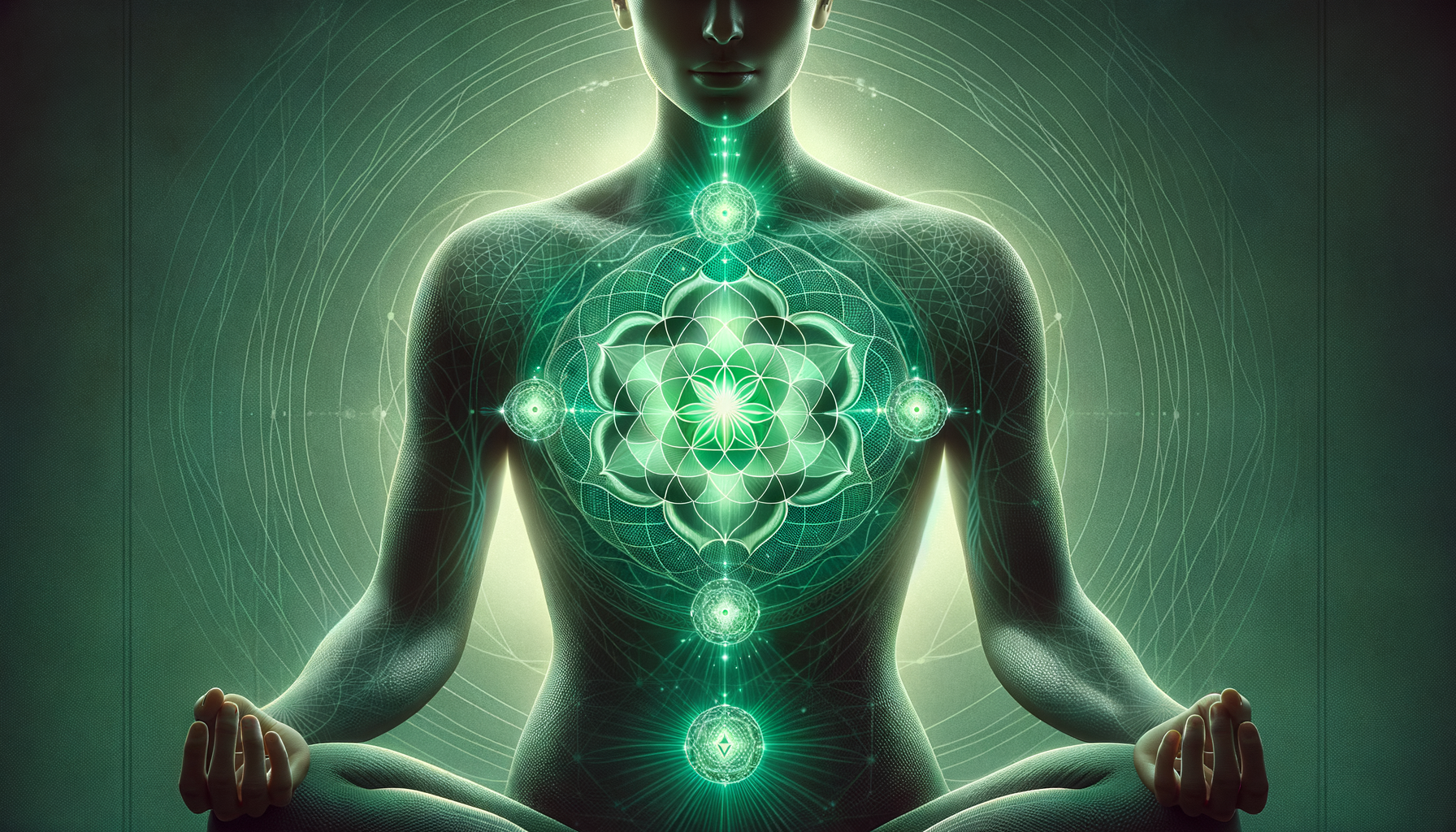
The Anahata Chakra, widely recognized as the Heart Chakra, is the fourth chakra in the traditional chakra system. Located at the center of the chest, it functions as an integrative bridge between the lower chakras associated with material stability (muladhara, swadishtana, manipura) and the higher chakras aligned with spiritual insight (visudha, ajna, sahasrara). The Sanskrit term “Anahata” literally means “unstruck,” pointing to a subtle, ever-present resonance of inner harmony that does not depend on external contact or stimulus.
In yogic anatomy, the Anahata Chakra is associated with the air element (vāyu), the color green, and the bīja mantra “Yam.” Classical symbolism depicts a twelve-petaled lotus that embodies qualities such as love, compassion, empathy, forgiveness, and balanced discernment. Physiologically, this center is linked to the heart, lungs, and thymushighlighting the mind-body connection that underpins emotional regulation, immune vitality, and balanced breath. When the Heart Chakra is in equilibrium, practitioners often experience inner peace, coherent relationships, and a felt sense of interconnection.
As a nexus between grounded action and higher awareness, the Heart Chakra integrates purposeful living with spiritual growth. Imbalances may manifest as grief, defensiveness, isolation, or shallow breathing, while balance supports kindness, trust, and emotional resilience. Within the subtle energy system, prana circulates through the sushumna nadi, and a clear Anahata Chakra allows this flow to harmonize one’s inner life with outward conduct. This integrative function makes Anahata central to both personal well-being and social harmony.
Evidence-informed practices for balancing the Heart Chakra include meditation, pranayama, and gentle heart-opening asana. Breath awareness, especially slow diaphragmatic breathing and techniques such as nadi shodhana and bhramari, naturally calm the nervous system while encouraging expansive qualities of compassion. Bhakti-inspired chanting, gratitude reflections, and ethical observances such as ahimsa and aparigraha further cultivate openness and trust. Over time, these methods reinforce adaptive emotional patterns and support steady self-regulation.
Across the dharmic traditions, there is a deep convergence around Anahata’s core virtues. In Hinduism, bhakti, seva, and compassion practices nurture the heart’s expansion. In Buddhism, mettā and karuṇā meditations systematically develop loving-kindness and compassion toward all beings. In Jainism, Ahimsa and maitri-bhavana refine non-violence and friendship across differences. In Sikh tradition, the notion of the “Anahad Shabad” (unstruck sound) and Naam simran resonate with the inner continuity suggested by “Anahata.” Though language varies, each tradition emphasizes unity, empathy, and the transformative power of love.
A simple daily protocol can include pausing for five minutes of breath awareness at the center of the chest, silently repeating “Yam,” and concluding with a brief intention to extend kindness to oneself and others. This steady rhythm of practice gently refines attention, softens reactive patterns, and invites a balanced openness that can be felt in family life, community engagement, and professional settings. Over weeks, even modest consistency tends to yield noticeable improvements in clarity, trust, and emotional balance.
Ultimately, working with the Anahata Chakra is a method for aligning values with action. By cultivating compassion, forgiveness, and steady empathy, practitioners strengthen ethical decision-making and deepen relational integrity. In this way, the Heart Chakra becomes not only a personal center of healing but also a shared space of unitysupporting harmony across Hinduism, Buddhism, Jainism, and Sikhism, and affirming the common dharmic commitment to the welfare of all beings.
Inspired by this post on Hindu Pad.