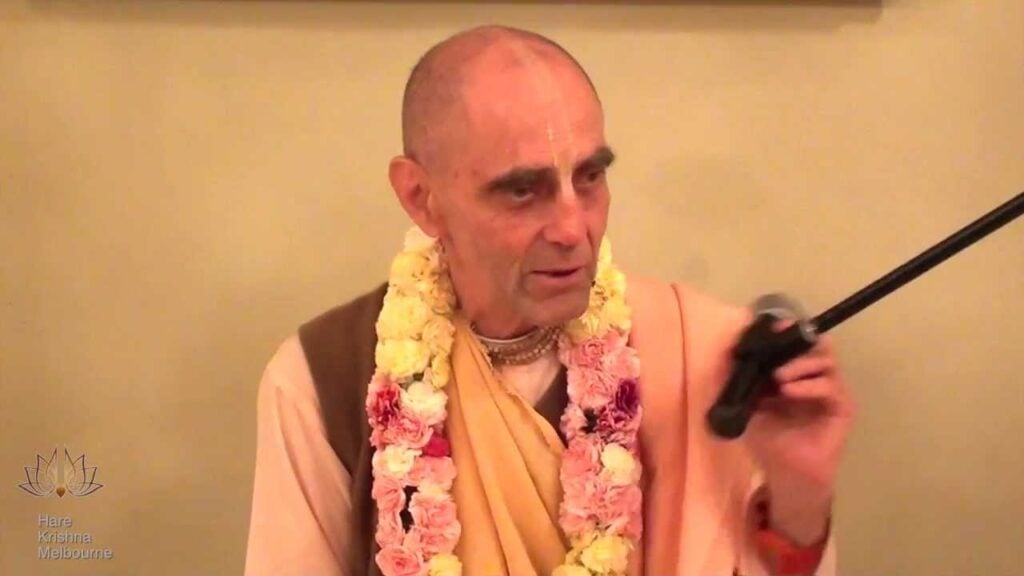
Devotees and friends recognize 2025 as an opportunity to honor the quiet, steady seva of Jivananda Prabhu, whose tireless journeys with the Harinam Ruchi group continue to share the Holy Names of Lord Krishna across diverse communities. This reflection documents the cultural and spiritual significance of that work in an academic yet accessible manner, emphasizing unity across Dharmic traditions and the enduring values of humility, compassion, and devotion.
Harinampublic chanting of the Holy Namesstands at the heart of the Bhakti Tradition within Hindu Dharma. As the Harinam Ruchi group moves from streets to festivals and from small gatherings to large processions, the accessible rhythms of kirtan invite participants into contemplative joy. This practice resonates beyond denominational lines, aligning with the shared Dharmic emphasis on remembrance, ethical living, and inner transformation that also animates Sikh kirtan, Buddhist chanting, and Jain devotional recitations. The result is unity in spiritual diversity, where chanting fosters connection, inclusion, and mutual respect.
Within this context, Jivananda Prabhu’s service exemplifies the essence of Hindu spiritualitysteadfast devotion expressed through action. Observers often describe scenes in which a passerby pauses to listen, a child begins to dance, or an elder recalls a bhajan from youth. Such moments reflect lived spirituality: devotion made audible, community shaped by song, and compassion expressed as shared presence. Across these experiences, the work advances community cohesion while nurturing values that Dharmic paths hold in common.
The devotional salutations commonly associated with this servicesuch as “Please accept my humble obeisances” and “All Glories to Srila Prabhupada”articulate a culture of reverence and gratitude. In academic terms, these phrases signal a relational ethic: honoring teachers, recognizing lineage, and centering service over self. They also mirror a broader Dharmic sensibility that privileges humility, truth-seeking, and self-discipline as pathways to inner clarity.
As communities look to 2025 and beyond, the enduring contribution of Harinam Ruchi can be appreciated through practical participation: joining local kirtan, supporting community service initiatives that cultivate harmony, and engaging with foundational texts such as the Bhagavad-Gita. These pathways strengthen social fabric and encourage interfaith understanding, demonstrating how devotional practice contributes to personal well-being and collective resilience.
For additional background on the history, intent, and ongoing impact of this service, readers may consult the detailed account available at dandavats.com. Such resources help preserve cultural heritage while providing context for how chanting and community service foster ethical action, inner steadiness, and shared purpose across Dharmic traditions.
Inspired by this post on Dandavats.