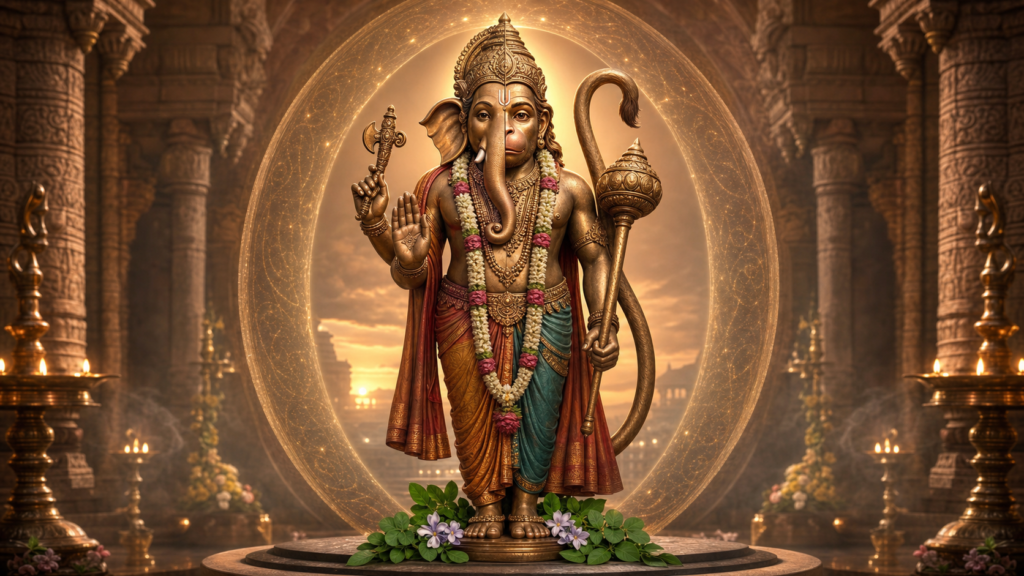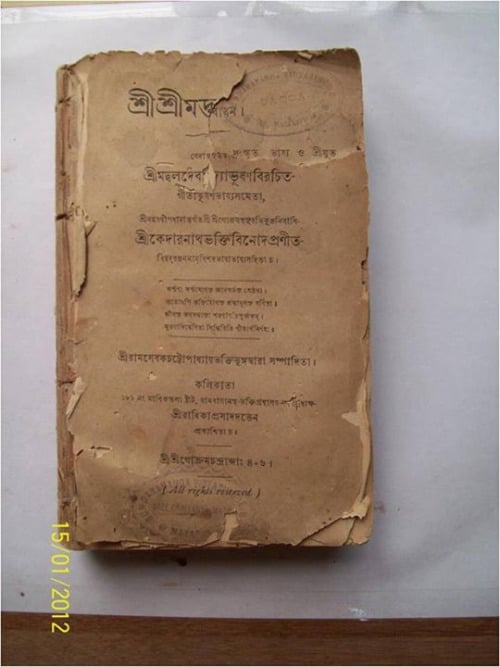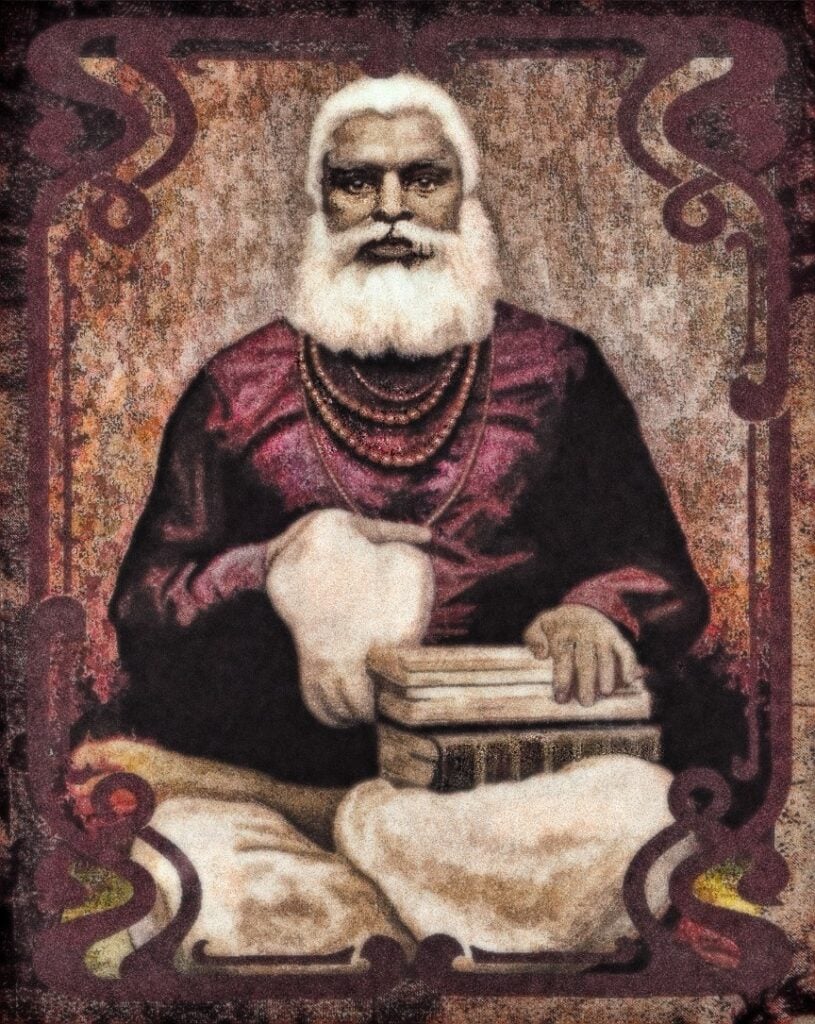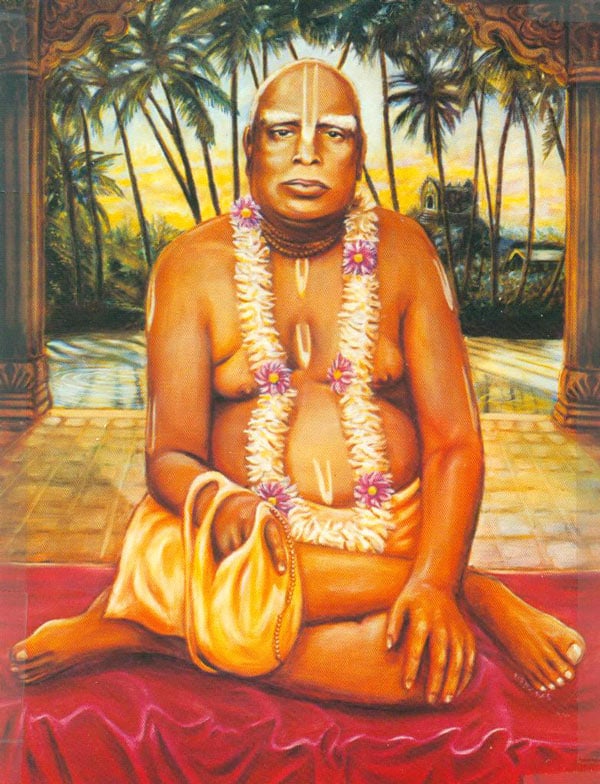
Day 07 of Vrajmandal Parikrama 2025 traced the contemplative route from Radhakund to Deeg on Tuesday, October 14, 2025, continuing a time-honored Hindu pilgrimage across the Braj region. The day’s documented imagery evokes a quiet, reflective cadence that aligns with the walk’s devotional and community-centered spirit.
Radhakund, revered within the sacred geography of Braj for its deep association with Sri Krishna’s bhakti traditions, offers a locus of remembrance and reflection. Deeg, situated at the cultural edge of Braj, extends that continuum through living heritage and historical memory, allowing this leg to bridge devotional practice with cultural heritage in a single, coherent movement.
Participants often describe the journey’s rhythmperiods of kirtan, soft recitation, and purposeful silenceas a balanced practice that supports inner steadiness. Such practices demonstrate how a Hindu pilgrimage can function as both communal endeavor and personal discipline, with intergenerational participation reinforcing shared values and social cohesion.
Viewed through a dharmic lens, the walk illustrates a unified ethic: mindfulness and compassion resonate with Buddhist insight; ahimsa and aparigraha reflect Jain commitments; seva and sangat embody Sikh community practice; and bhakti, shraddha, and dharma express Sanatana Dharma’s devotional and ethical core. Together, these strands exemplify unity in diversity, showing how distinct lineages affirm a common pursuit of inner refinement and social harmony.
Community interactions along the route underscore respect for local traditions and shared spaces. Cleanliness, frugal provisioning, and care for the commons mirror a practical ethic of stewardship, where personal austerity dovetails with service and mutual supportan applied expression of interfaith harmony within the broader dharmic family.
Approaching Deeg invites awareness of Braj’s layered past, where devotional pathways intersect with historic townscapes and cultural practices. This convergence reinforces that cultural traditions and spiritual insight are not parallel tracks but interwoven threads, sustaining continuity between living faith and tangible heritage.
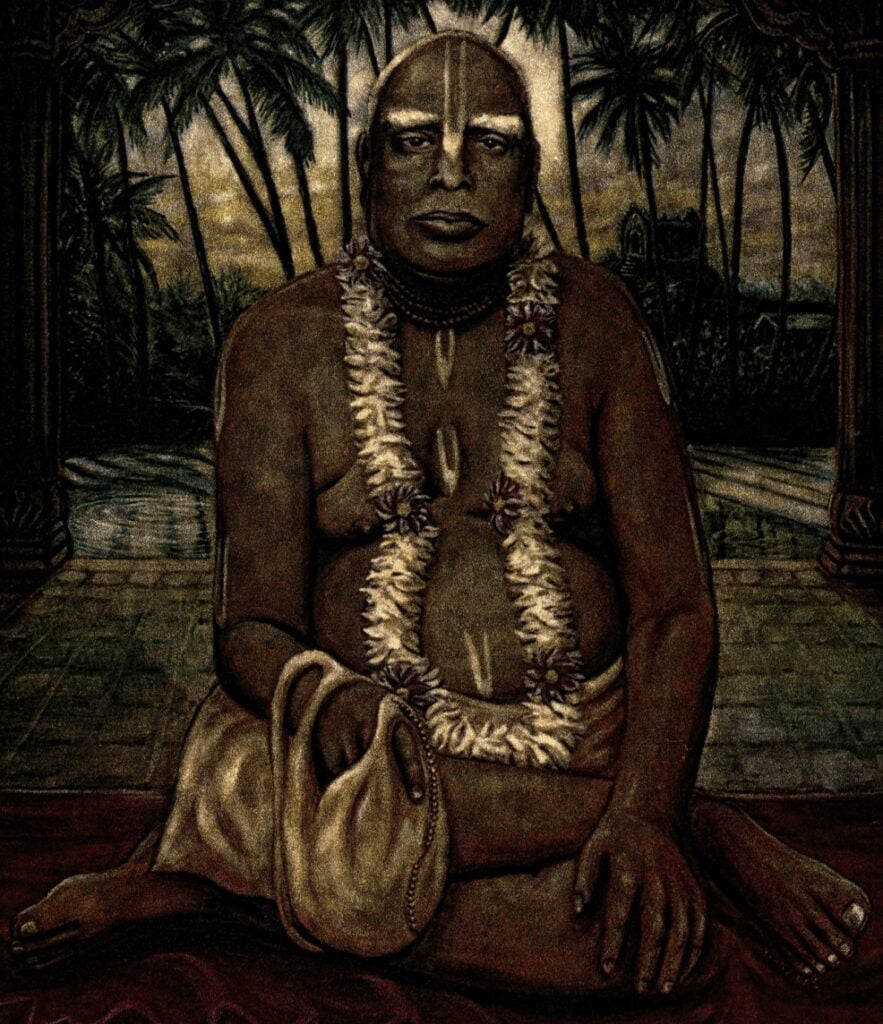
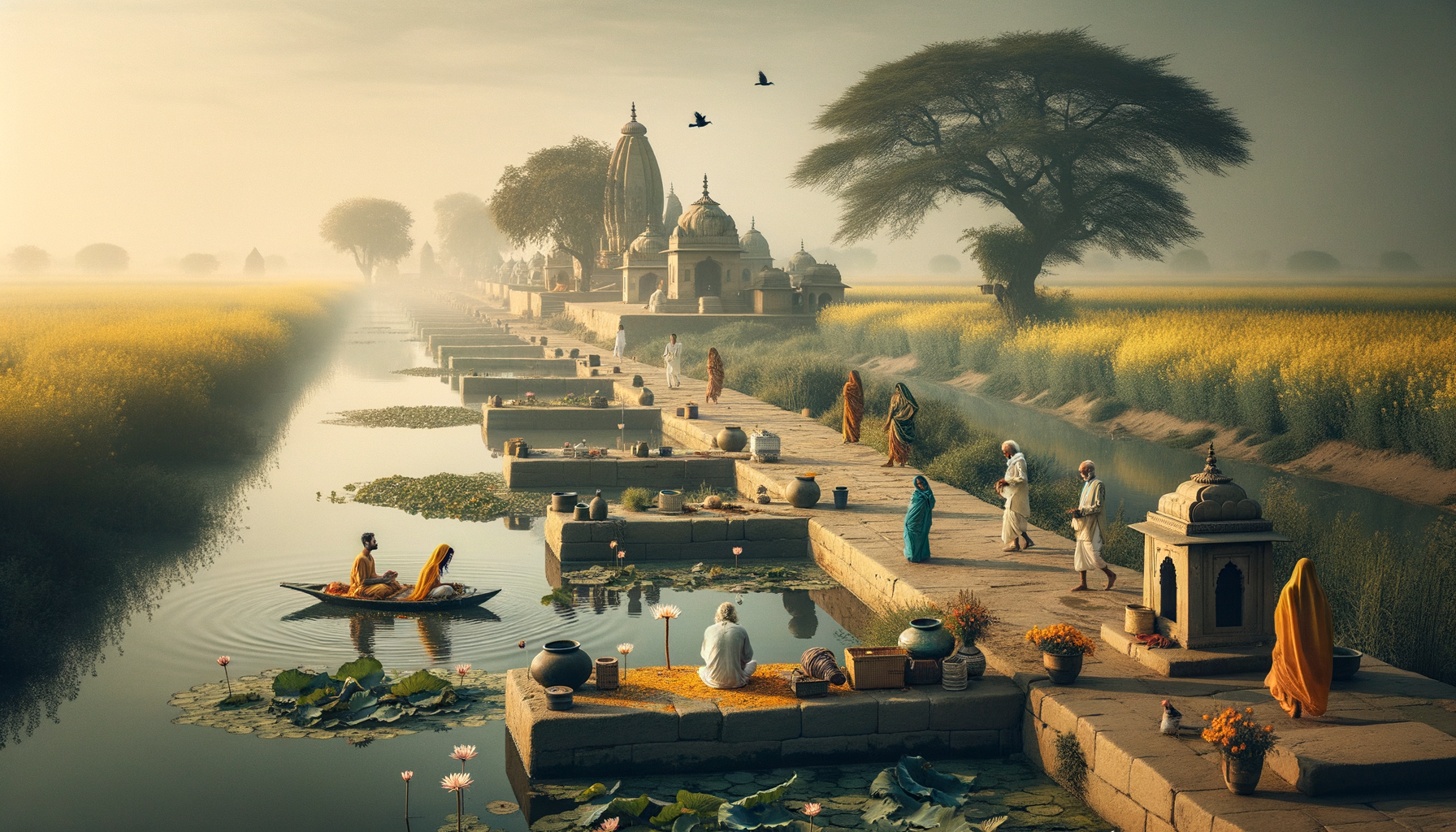
In sum, the Radhakund to Deeg segment is a reflective passage that strengthens collective purpose while nurturing individual contemplation. The accompanying photograph from the day captures a stillness emblematic of Vrajmandal Parikrama’s wider intent: to walk with reverence, learn with humility, and uphold a shared dharmic ethos that honors plural paths toward inner clarity and communal well-being.
Inspired by this post on Dandavats.