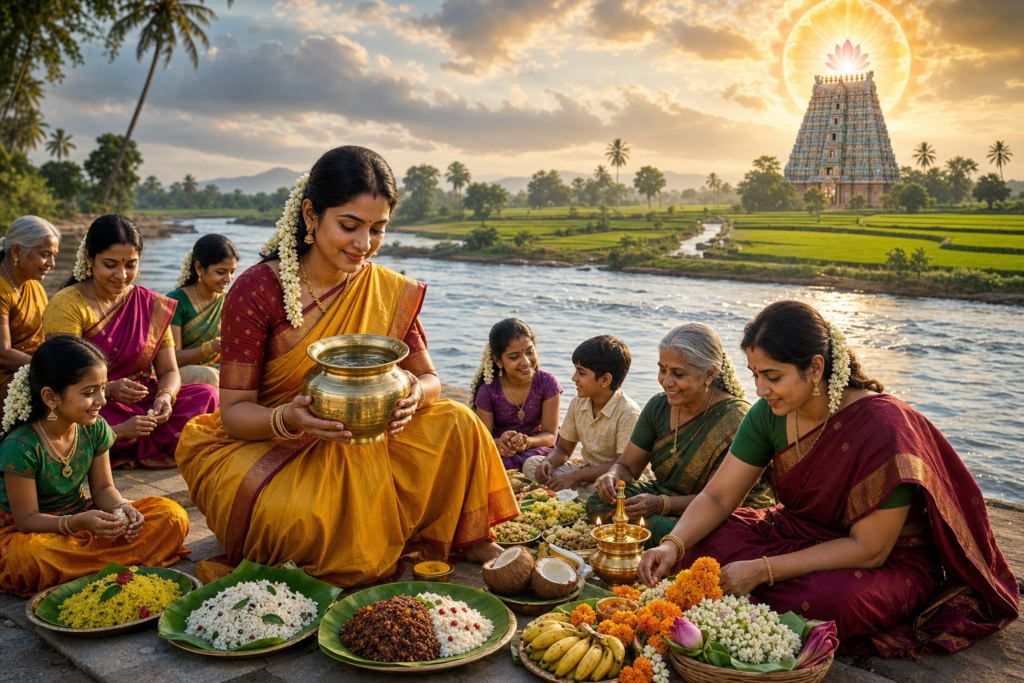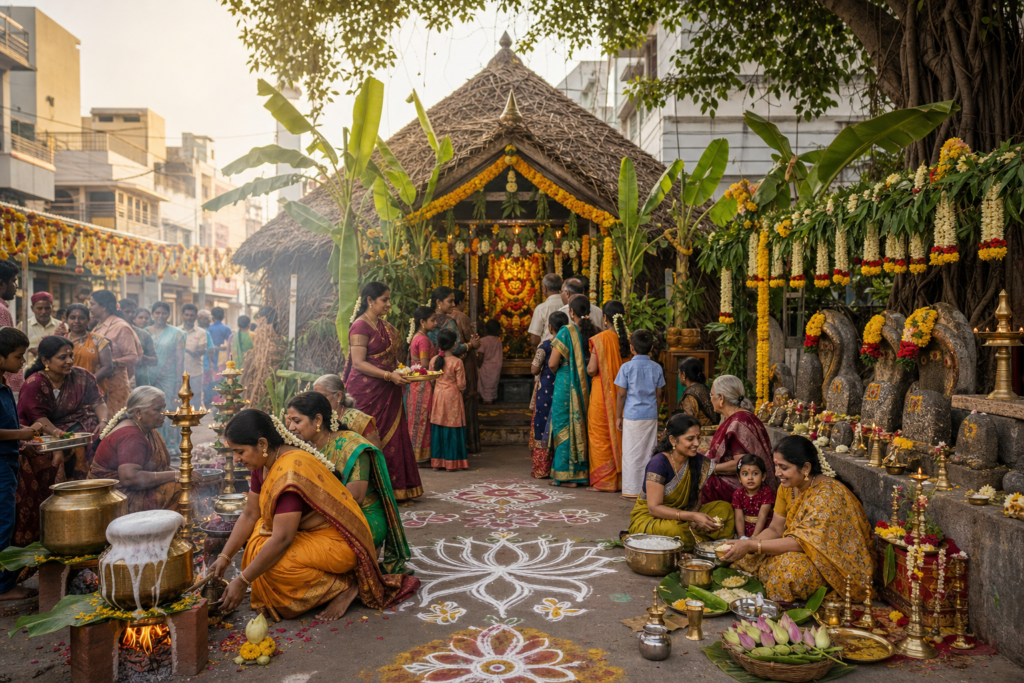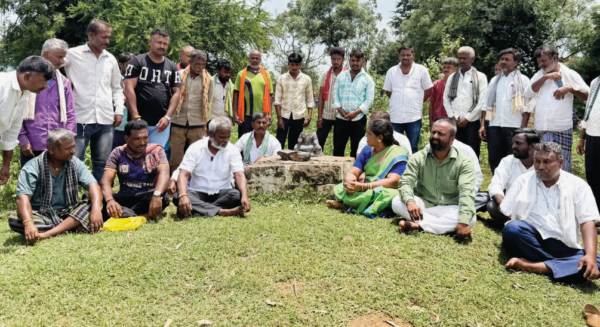
Amidst groves of fragrant mango trees in Shantipur stands the historic home of Sri Advaita Acarya, a place revered for its enduring association with the Gaudiya Vaishnava tradition. Located about one hour from Sri Mayapur Dhama, just off the main road to Kolkata in the Ranaghat area, this sacred site invites visitors to experience a contemplative atmosphere shaped by centuries of devotional practice.
Shantipur holds a distinctive place in devotional history as the setting where Sri Advaita Acarya resolved to invoke Lord Krishna’s advent in Kali-yuga as Sri Caitanya Mahaprabhu. Through steadfast engagement in Harinama (the chanting of Lord Krishna’s name) and the promotion of pure, unalloyed devotion, this vow is remembered as a pivotal act that shaped the Bhakti tradition for generations.
Within the temple at Santipur, the deity of Sri Madan Gopal and the saligrama-sila worshipped by Sri Advaita Acarya remain central to the pilgrimage experience. These sacred forms are honored as the very mediums through which he invoked the advent of Sri Caitanya Mahaprabhu, offering a tangible link to the devotional momentum that spread from Bengal across India and the world.
Visitors consistently describe a quiet sense of awe during darshan, noting how the serene setting and rhythmic kirtan naturally guide attention inward. The steady cadence of chanting, coupled with the historical resonance of the site, encourages a reflective engagement with Bhaktione that values humility, service, and the transformative power of the holy name.
As a pilgrimage destination, Shantipur is accessible and inviting: its proximity to Sri Mayapur Dhama allows travelers to integrate the visit into a broader yatra that deepens understanding of Gaudiya Vaishnava history. The pathways through the mango groves, the temple courtyards, and the devotional gatherings all contribute to an experience that is at once scholarly and heartfelt.
Shantipur’s legacy also speaks to a wider dharmic unity. The emphasis on compassion, truthfulness, self-discipline, and collective upliftvirtues celebrated across Hinduism, Buddhism, Jainism, and Sikhismresonates here in a manner that fosters mutual respect and shared purpose. In this spirit, the yatra becomes not only a journey through sacred geography but also a meditation on the ethical core uniting diverse dharmic traditions.
For those seeking to understand Bhakti in its historical and living dimensions, the Shantipur yatra offers clarity and inspiration. The presence of Sri Madan Gopal and the saligrama-sila, the memory of Sri Advaita Acarya’s vow, and the continuing practice of Harinama together exemplify how devotional intent, community, and sacred remembrance can shape a meaningful spiritual life.
Inspired by this post on Dandavats.