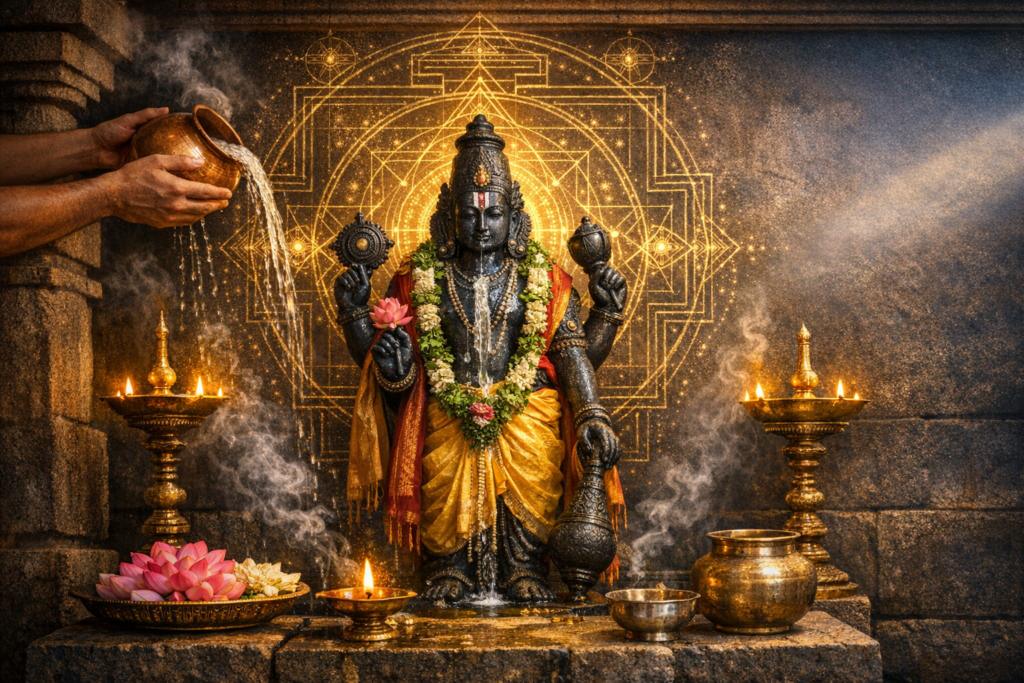
Sambhal Harihar Mandir occupies a notable place in regional memory and in references attributed by some scholars to the Skanda Purana, the Bhagavata Purana (often rendered Bhagwat Purana), and the Matsya Purana. These reported mentions, while requiring careful source verification, underscore the enduring cultural and spiritual significance of Sambhal within the broader Puranic tradition. Bringing together textual study and heritage awareness offers a balanced way to understand how sacred geography, devotion, and historical inquiry intersect at this site.
Historical accounts recorded by certain historians suggest that the urban landscape of Sambhal underwent major transformations in the early modern period. Within this discourse, it is asserted that the Sambhal Jaama Masjid may have been established over an earlier structure associated with Harihar worship, with the chronology often placed in the 16th century. Scholarly conclusions, however, remain varied, and the topic benefits from rigorous evaluation through epigraphy, archaeology, and a transparent assessment of primary sources.
In popular conversation, the site has at times been compared to other contested locations; such labels can amplify polarization and obscure the complexity of evidence. An academically responsible approach favors precise language, patient documentation, and a careful distinction between hypothesis and substantiated fact. This posture supports the broader goal of fostering interfaith harmony and encouraging respectful dialogue across communities.
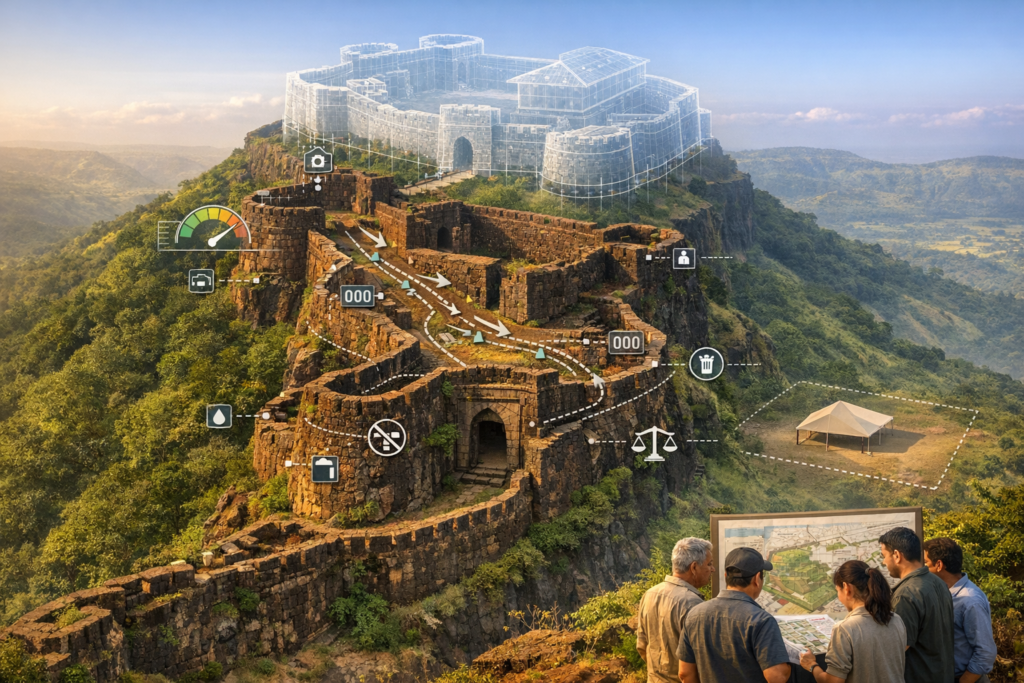
Constructive engagement with Sambhal’s layered past begins with a close reading of Puranic passages attributed to the Skanda Purana and related texts, alongside local chronicles, inscriptions, and archival materials. Interdisciplinary research—combining textual studies, material culture, and field-based documentation—can illuminate how religious life, urban change, and patronage shaped the site across centuries. Such work advances heritage preservation while inviting inclusive participation from scholars, devotees, and local custodians.
For many visitors, the very name Sambhal evokes reverence, continuity, and a shared sense of belonging to India’s cultural heritage. This resonance extends across dharmic traditions—Hinduism, Buddhism, Jainism, and Sikhism—where values of compassion, non-violence, and truth-seeking inspire a commitment to protect sacred spaces and memories. Framing Sambhal Harihar Mandir within this ethos affirms that the preservation of heritage strengthens social trust and collective well-being.
Moving forward, a principle-based path is clear: honor the sacred memory associated with Sambhal Harihar Mandir, invite meticulous scholarship on all historical claims, and nurture bridges across communities. By doing so, the discourse around Sambhal can model unity in diversity—holding together devotion and critical inquiry, cultural pride and humility, and a shared responsibility to safeguard heritage for future generations.
Inspired by this post on Hindu Pad.