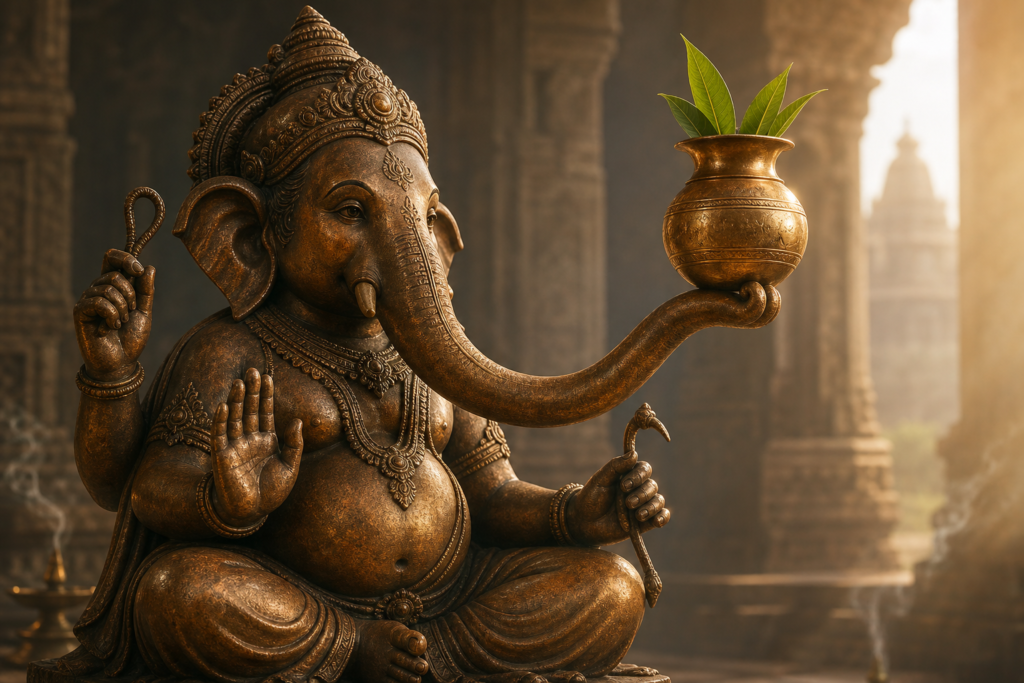
Mumbai’s relentless pace makes Sunday an ideal day to pause, realign, and reconnect with the city’s living spiritual heritage. A thoughtfully planned route across sacred spaces offers not only darshan and reflection but also a gentle reminder of the unity among dharmic traditionsHinduism, Buddhism, Jainism, and Sikhismcoexisting in dialogue and mutual respect.
Begin at the revered Siddhivinayak Temple in Prabhadevi, where the pre-dawn Kakad Aarti draws devotees seeking clarity and courage for the week ahead. The serene rhythm of the aarti, the fragrance of flowers, and the flow of darshan cultivate a grounded start to the day. Early arrival supports an unhurried experience, while modest attire and mindful silence enhance participation in the sacred atmosphere.
Proceed to the Mahalakshmi Temple by the sea, where the triad of Mahalakshmi, Mahakali, and Mahasaraswati is venerated. The temple’s coastal setting, coupled with the sound of waves, heightens contemplative focus and evokes a sense of gratitude. On Sundays, the site can be lively; patience and decorum ensure a meaningful darshan.
Not far away, Babulnath Temple near Girgaum Chowpatty offers a hilltop shrine to Lord Shiva. The gentle ascent invites quiet introspection, and the temple precincts provide an elevated perspectiveboth literally and spiritually. This stop deepens the day’s rhythm through the meditative presence of the Shiva linga and the temple’s timeless iconography.
At Walkeshwar and the Banganga precinct, sacred geography and urban history converge. The ancient tank and surrounding shrines reveal how ritual, ecology, and community life have long intertwined in Mumbai. Visitors often describe a palpable continuity here, sensing how heritage persists even amid modern movement.
In Zaveri Bazaar, the Mumbadevi Temple honors the city’s presiding deity. Darshan here connects visitors with Mumbai’s historical identity and the enduring ethos of industriousness and resilience. The neighborhood’s vibrant streets add to the sensory tapestry, making this stop both devotional and cultural.
Near Malabar Hill, the Babu Amichand Panalal Adishwarji Jain Temple exemplifies exquisite marble craftsmanship and the Jain principles of Ahimsa and Aparigraha. Respectful observancessuch as abstaining from leather items and maintaining quietudesupport the sanctity of the space. This visit underscores the day’s core theme: spiritual diversity enriches the shared quest for inner discipline and compassion.
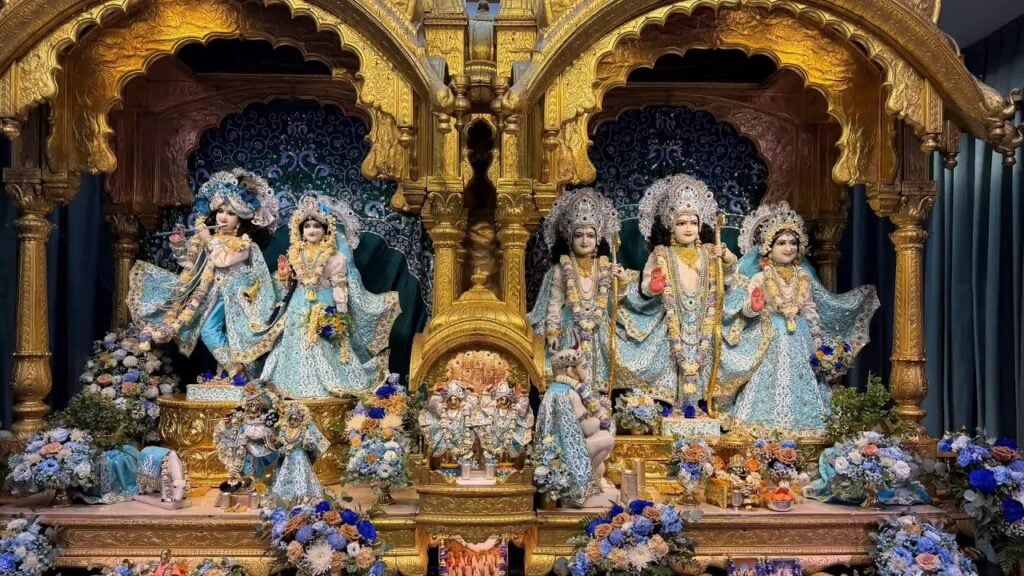
For those seeking devotional music and scriptural insight, ISKCON Juhu offers an immersive Sunday experience of kirtan, satsang, and vegetarian prasadam. The Vaishnava tradition’s emphasis on devotion through sound creates an uplifting communal energy, reinforcing values of service, humility, and joy that resonate across traditions.
To experience seva and equality in practice, a stop at a central gurdwarasuch as Gurdwara Sri Guru Singh Sabha (Dadar)is deeply instructive. Covering the head, participating in kirtan with reverence, and sharing in langar embody the Sikh principles of seva and sangat. The langar hall’s openness to all affirms unity-in-diversity as a lived ethic.
Those with additional time may conclude at the Global Vipassana Pagoda in Gorai or at the Mahabodhi Society in Dadar, both of which offer contemplative environments for meditation. The Buddhist emphasis on mindfulness and compassion complements the day’s earlier visits, rounding out a Sunday dedicated to stillness, clarity, and interfaith harmony within the dharmic family.
Practical guidance enhances the experience: arrive early for popular temples, check aarti schedules posted on official notice boards, dress modestly, and remain attentive to temple-specific guidelines. Moving between these sacred spaces transforms Sunday into a reflective pilgrimageone that cultivates inner peace, honors Mumbai’s cultural heritage, and strengthens bonds across dharmic traditions.
Inspired by this post on Hindu Pad.