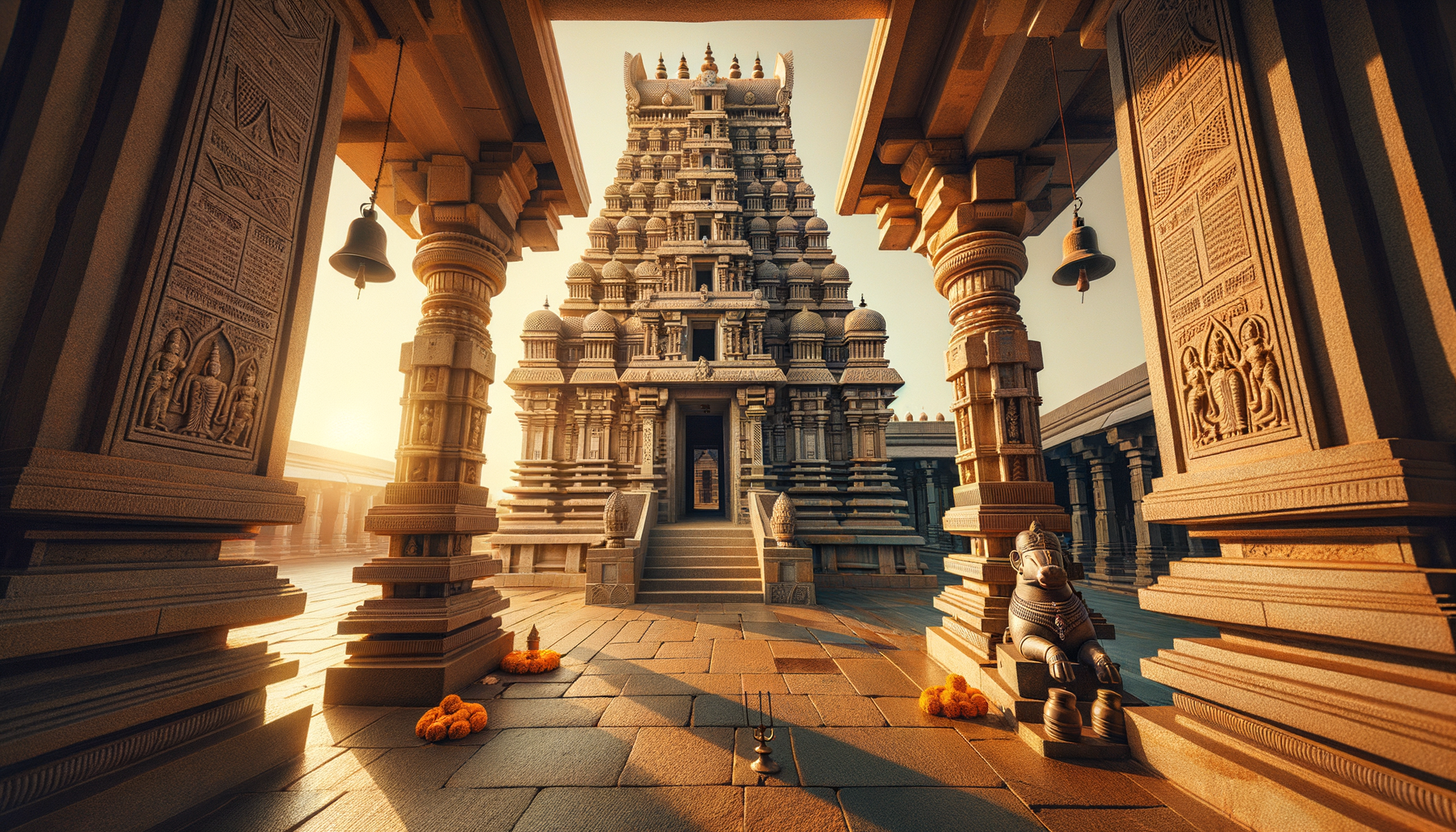
Samalkot’s Kumararama Bhimeswara Swamy Temple in Andhra Pradesh stands as a renowned center of Shaiva worship, located approximately 12 km from Kakinada and 52 km from Rajahmundry. Revered as Kumararama – Bhimesvara, the temple anchors a sacred geography that continues to draw pilgrims, historians, and heritage enthusiasts from across South India.
Inscriptions within the temple complex attest that the settlement was historically known as Chalukya Bhimavaram, reflecting a distinguished lineage and the patronage of regional dynasties. Local tradition remembers the area as Bhimavara Kshetram, situating Samalkot within a wider devotional landscape that preserves the temple’s cultural memory across centuries.
Architecturally, the site displays a classical South Indian temple layout with a sanctum oriented to devotion, sculptural adornments that frame the garbhagriha, and epigraphic panels that illuminate the temple’s chronology. While details vary across scholarly readings, the stonework and proportionate elevations convey an enduring aesthetic associated with medieval temple architecture in coastal Andhra.
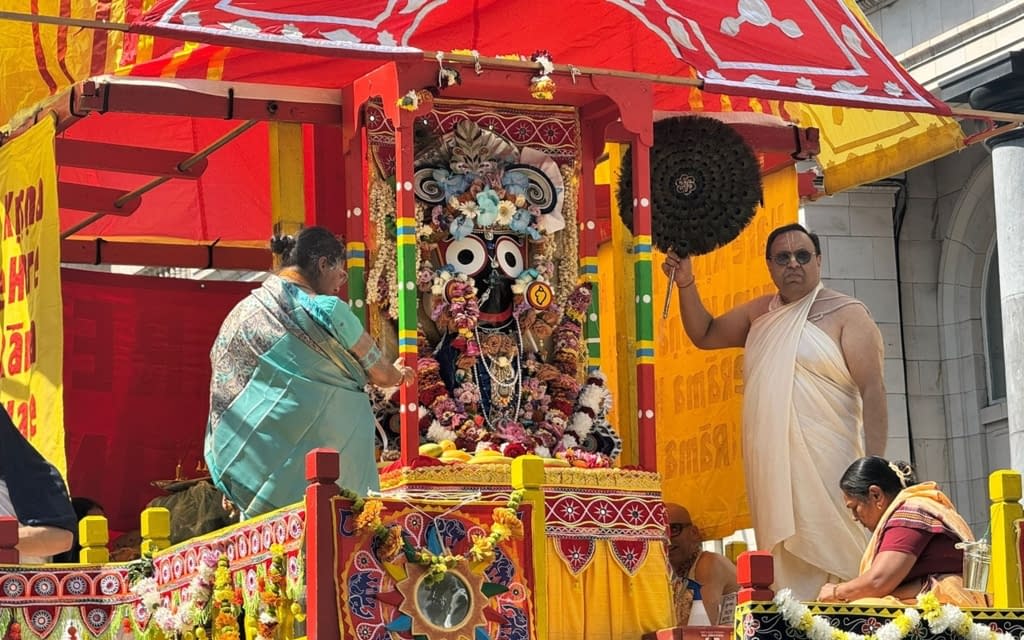
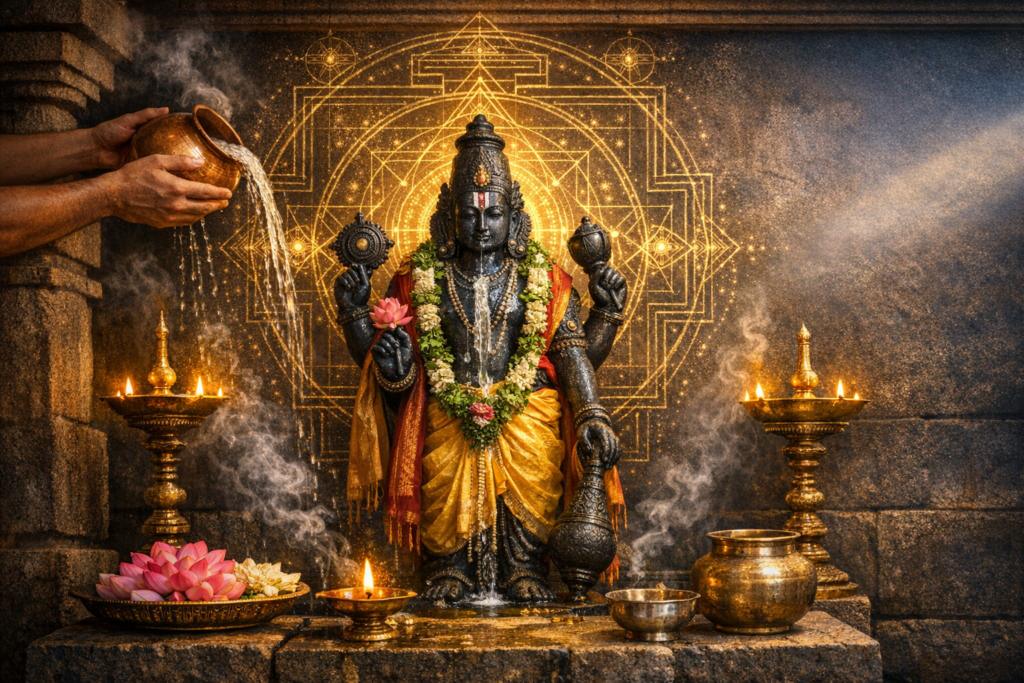
As a living place of worship, the temple’s rhythms—daily rituals, auspicious observances, and seasonal festivities—foster a contemplative ambience. Visitors frequently note a calm, ordered experience that balances sacred sound with architectural silence, offering a setting conducive to reflection during occasions such as Mahashivaratri and regular Monday darshan.
Beyond its Shaiva focus, the temple invites a broader appreciation of the shared values across dharmic traditions. Principles such as dharma, reverence for knowledge, and ethical living resonate with visitors from Hindu, Buddhist, Jain, and Sikh backgrounds, reinforcing a spirit of unity-in-diversity that characterizes India’s cultural heritage.
Samalkot’s accessibility—close to Kakinada and within reasonable reach of Rajahmundry—encourages careful, respectful heritage travel. Pilgrims and learners often combine a visit here with nearby historic sites, engaging with inscriptions, local oral histories, and community custodianship that together sustain the temple’s legacy.
In sum, the Kumararama Bhimeswara Swamy Temple exemplifies a sacred continuum where devotion, inscriptions, and architecture converge. For those seeking an essential understanding of Samalkot’s cultural landscape, the temple offers a complete and proven entry point into Andhra’s spiritual history—an experience that enriches both personal reflection and academic inquiry.
Inspired by this post on Hindu Pad.