Ayyappa Deeksha, commonly known as Ayyappa Mala dharana, is a revered seasonal observance across Andhra Pradesh, Tamil Nadu, Karnataka, and Kerala. Rooted in discipline, devotion, and community service, the practice prepares devotees for the Sabarimala pilgrimage through a period of vrata marked by daily worship and ethical restraint during the winter months.
Ayyappa Deeksha 2025 dates fall within the Mandala Kalam of the Sabarimala season. For 2025–2026, Mandala Kalam begins on 16 November 2025, and the observance traditionally culminates on Makaravilakku day, 14 January 2026. Within this window, devotees undertake the Deeksha and complete the journey to Sabarimala where possible.
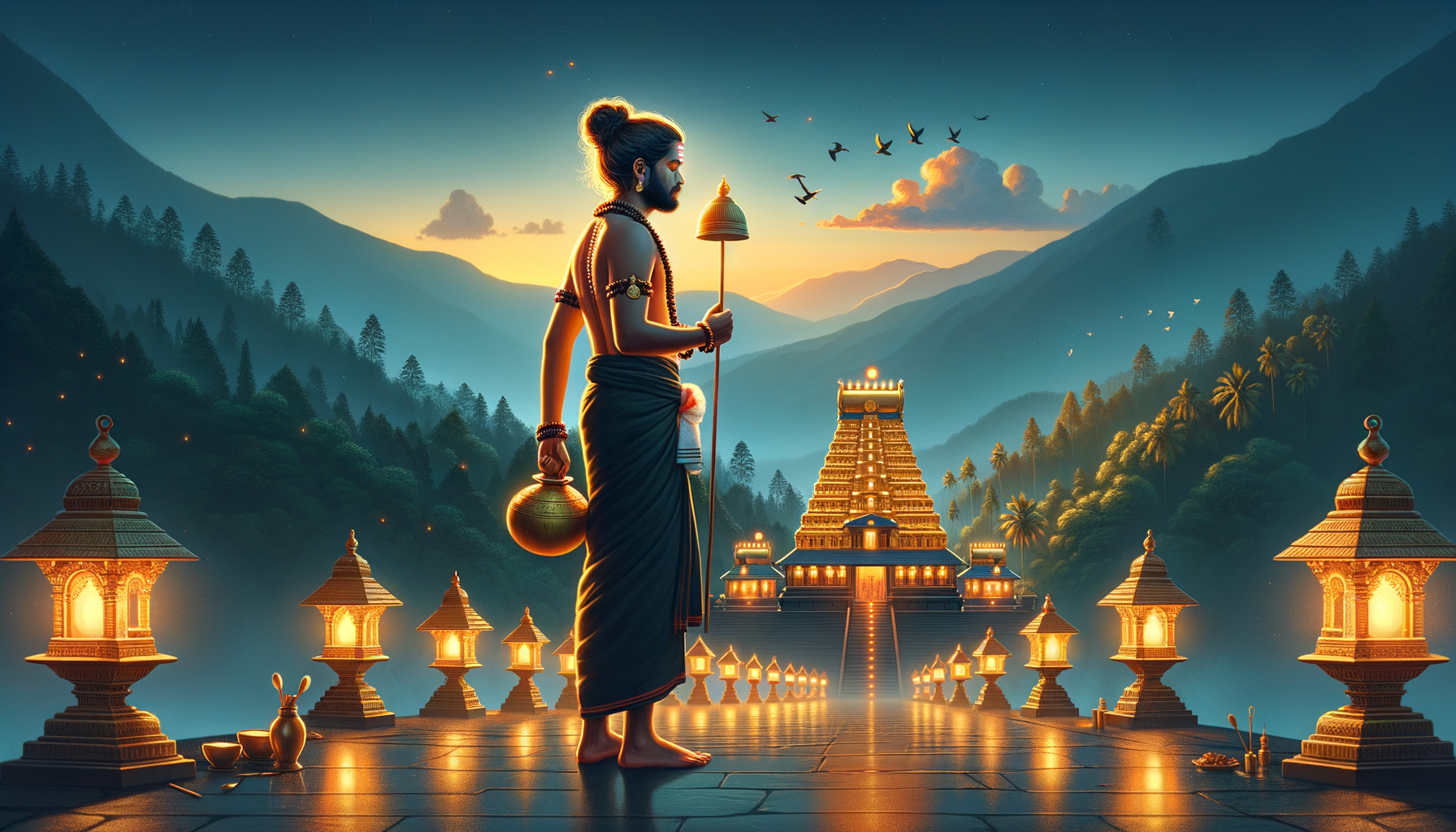
Many observe a 41-day Ayyappa vratham as part of Ayyappa Mala dharana. The vrata typically starts with wearing the sacred mala in a temple setting, accompanied by sankalpa, daily Ayyappa puja, and regular recitation of bhajans. A sattvic vegetarian diet, abstinence, simplicity in dress (often black or dark blue), and barefoot or minimal footwear practices are commonly maintained to cultivate one-pointedness and inner discipline.
Community life often deepens during this period. In towns and villages across Andhra Pradesh, Tamil Nadu, Karnataka, and Kerala, groups gather for evening bhajans, annadanam, and preparation for the Irumudi kettu ahead of the Sabarimala pilgrimage. Families and neighborhoods frequently support devotees’ routines, reflecting the shared commitment to dharma and mutual care.
Calendar-wise, Karthika masam overlaps with the early phase of Mandala Kalam, while Dhanu Masam 2025–2026 dates align with the concluding stretch that leads toward Makaravilakku 2026. The Sabarimala pilgrimage 2025–2026 period thus follows a clear rhythm: begin the vrata after 16 November 2025, sustain the disciplines through Mandala Kalam, and complete the observance on 14 January 2026, the auspicious day of Makaravilakku.
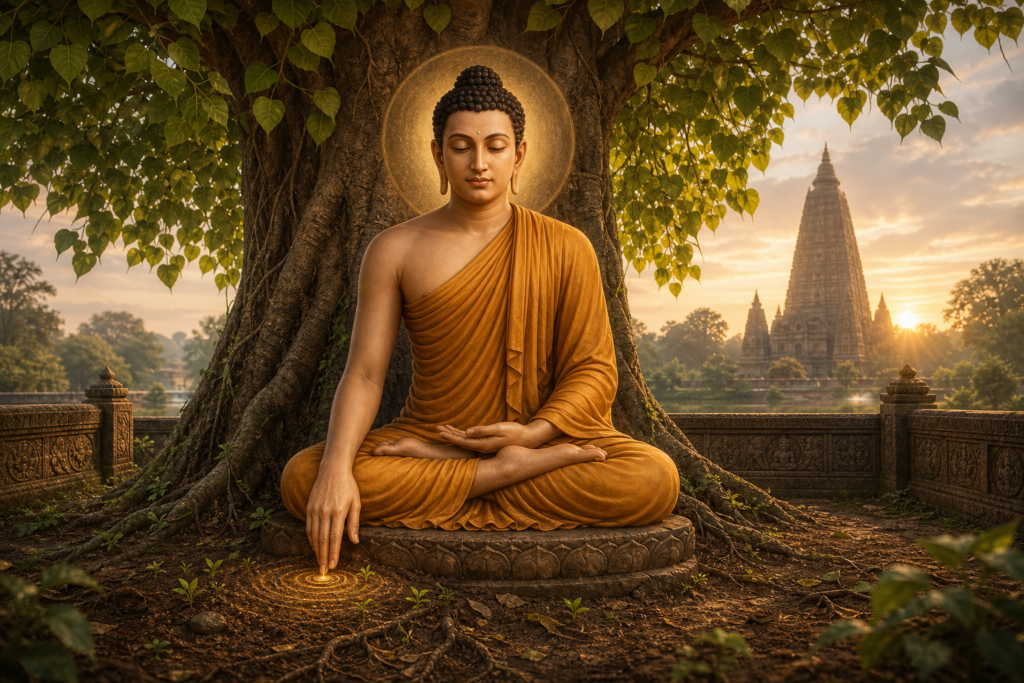
The significance of Ayyappa Deeksha extends beyond individual observance. The emphasis on self-restraint (vrata), seva, and meditation resonates with shared values across dharmic traditionsHinduism, Buddhism, Jainism, and Sikhismwhere ethical living, compassion, and spiritual focus are central. This inclusive spirit underscores unity in diversity, honoring varied paths while recognizing common principles of inner transformation and societal harmony.
Practical planning complements devotion. Devotees often coordinate temple visits, travel, and group schedules early in Mandala Kalam to manage festival crowds and ensure proper guidance for mala dharana and Irumudi. Maintaining health, adhering to local temple advisories, and observing environmental stewardship during travel further uphold the vow’s integrity and the community’s well-being.
Key takeaways for Ayyappa Deeksha 2025–2026: Mandala Kalam begins on 16 November 2025; the observance culminates on Makaravilakku day, 14 January 2026. The core practicesAyyappa Mala dharana, daily puja, vrata, and serviceconnect personal discipline with communal devotion, embodying the dharmic ideal of spiritual growth aligned with social responsibility.
Inspired by this post on Hindu Pad.