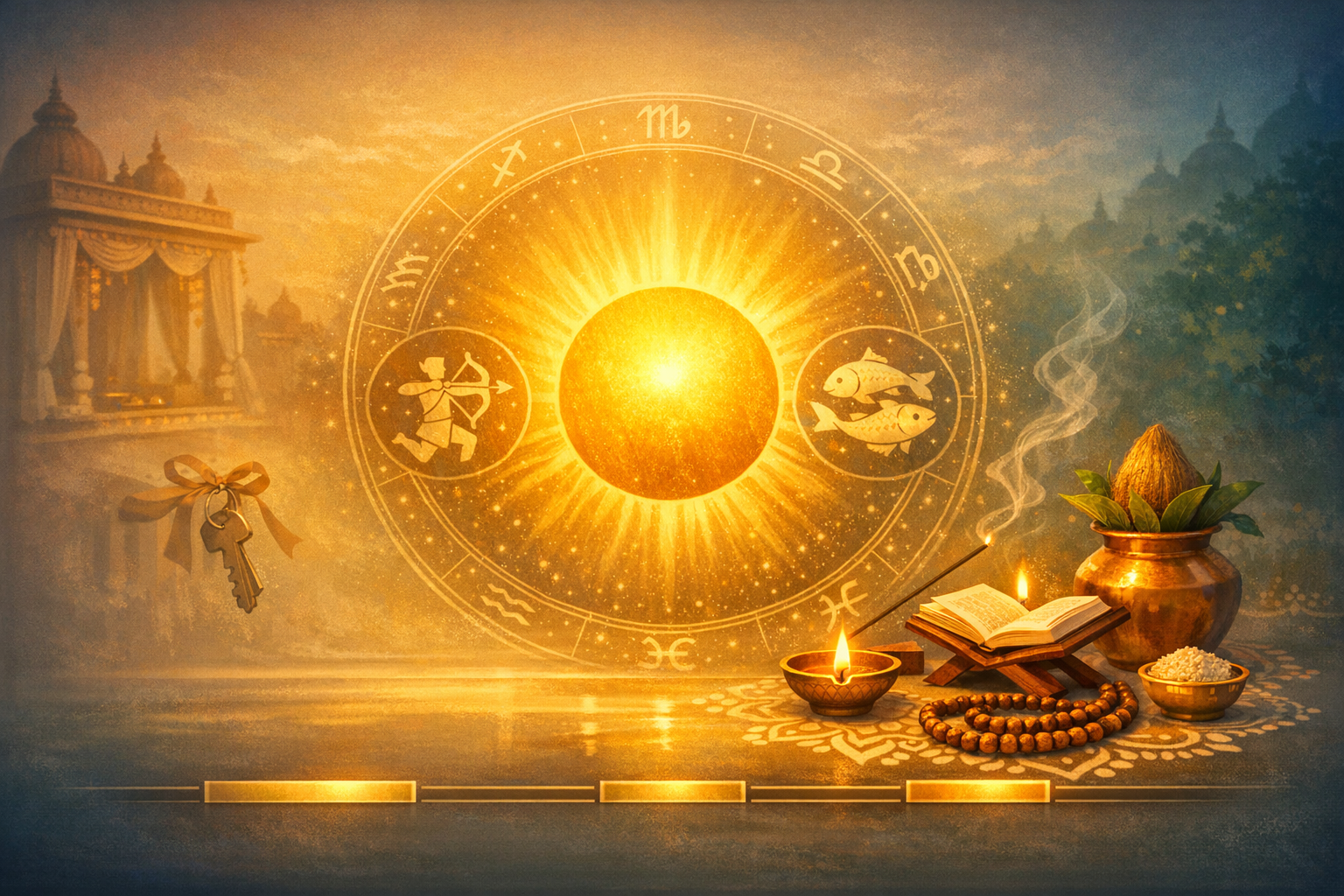
Khar Maas (Kharmas, खरमास) marks two specific solar months in the Hindu calendar when the Sun (Surya) transits Jupiter’s sidereal signsDhanu (Sagittarius) and Meena (Pisces). Across many regions, these intervals are considered inauspicious for initiating major life events, especially marriages (vivaha) and house-warming (griha pravesh). While the caution is practical and customary, the period is at the same time revered as a sacred window for intensified worship, study, charity, and inner disciplinevalues that resonate across dharmic traditions of Hinduism, Buddhism, Jainism, and Sikhism.
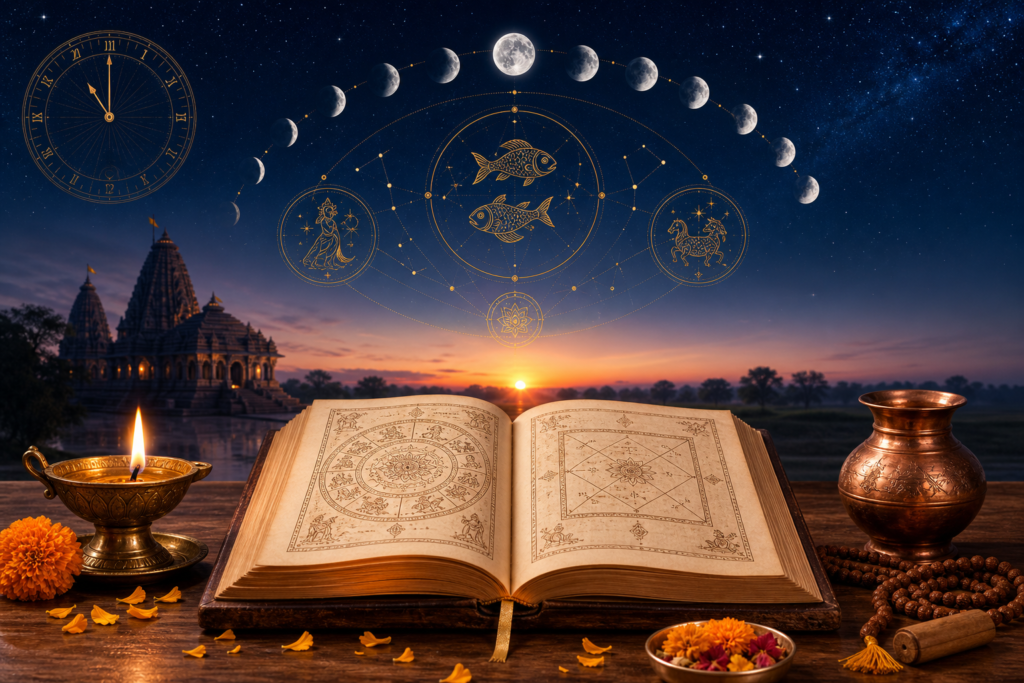
In calendrical terms, Khar Maas is a solar phenomenon anchored to Surya’s ingress (Sankranti) into Dhanu and Meena in the nirayana (sidereal) zodiac used by Vedic astrology and standard Indian panchang computations (commonly with Lahiri ayanāṁśa). As such, its boundaries are defined by precise astronomical transits rather than by lunar month names, though in practice it overlaps with familiar lunar months in the Vikram Samvat and regional calendars.
Two labels are common in almanacs: Dhanu Kharmas for the Sun’s stay in Sagittarius (roughly mid-December to mid-January) and Meena Kharmas for the Sun’s stay in Pisces (roughly mid-March to mid-April). These are consistent annual occurrences; their exact start-end instants vary slightly year to year and by time zone due to the exact Sankranti moment.
Key windows touching the Gregorian year 2026 are as follows. First, the tail end of Dhanu Kharmas spans into mid-January 2026. Second, Meena Kharmas fully spans mid-March to mid-April 2026. Third, the next Dhanu Kharmas begins again in mid-December 2026 and continues into mid-January 2027. These three segments together define all खरमास touchpoints relevant to planning in 2026.
Meena Khar Maas (Meena Kharmas) in 2026 runs approximately from 15 March 2026 to 14 April 2026 (IST), concluding with Mesha Sankranti. These dates align with widely used Indian panchangs; the observance in any given locality should still follow the exact Sankranti moment and the sunrise-to-sunrise implementation used in the regional tradition.
Dhanu Khar Maas that overlaps the start of 2026 is the interval from about 16 December 2025 to 14 January 2026 (IST). The next Dhanu Khar Maas that begins within the same Gregorian year starts around 15–16 December 2026 and ends near 14 January 2027 (IST). For locations outside India or for precise ritual timing, the local panchang or a qualified astrologer should be consulted, since the Sankranti instant can shift the boundary by a calendar date.
Why are these months treated as inauspicious for new undertakings? Traditional muhurta literature (e.g., regional digests based on Dharmashastra and jyotisha praxis) preserves the convention that when Surya is in Jupiter’s signs, auspicious samskaras and large-scale initiations are restrained. The cultural rationale emphasizes conserving sattva through introspection and devotional focus at times when, symbolically, worldly momentum is considered suboptimal for launching long-term commitments.
Practically, communities avoid scheduling weddings, formal griha pravesh, and inaugural ceremonies for new ventures during Khar Maas. In some places, even naming ceremonies, sacred-thread initiations, or vehicle/property purchases are postponed, unless urgency compels an exception with priestly guidance.
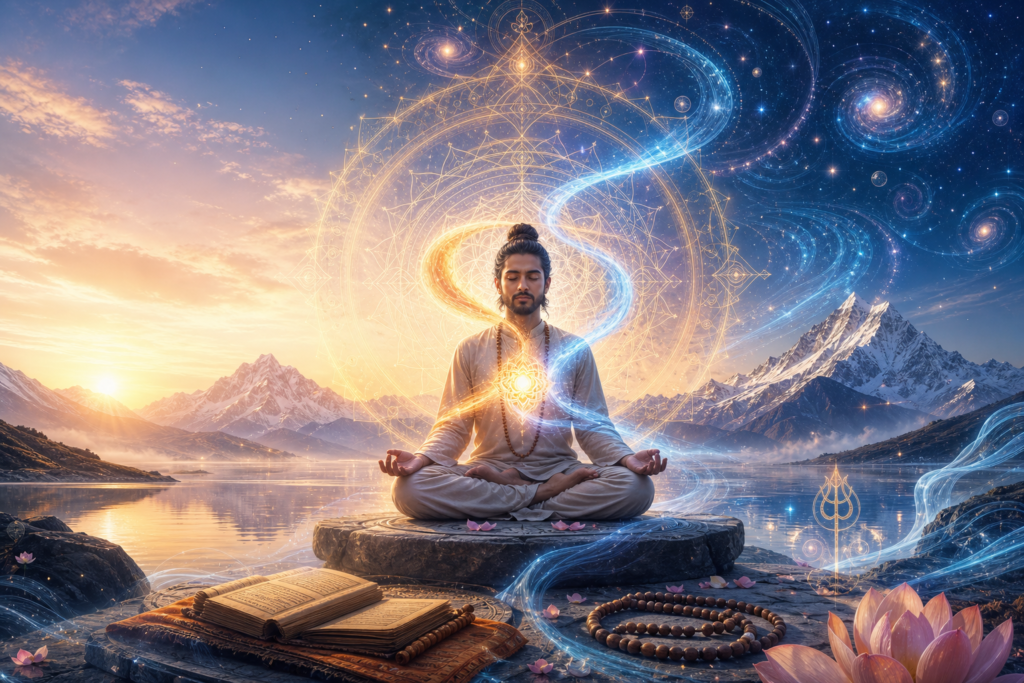
Equally important, Khar Maas is explicitly favorable for nitya and naimittika dharmic practices: daily worship, japa, homa, svadhyaya (scriptural study), vrata, and dana (charity). Many households intensify seva, annadana, pilgrimage-inspired snana, and meditation during these intervals. The emphasis shifts from outward celebration to inner refinementa shared spiritual grammar that is meaningful across Hindu, Buddhist, Jain, and Sikh homes committed to ethical living and contemplative practice.
Regional diversity enriches observance. In South India, Dhanurmasam (overlapping Dhanu Kharmas) and Tamil Mārgaḻi are cherished for early-morning Vishnu worship, Tiruppavai recitation, and music; weddings are generally deferred, yet the spiritual tenor is distinctly celebratory in a devotional sense. North Indian and eastern almanacs foreground the inauspiciousness for fresh undertakings while warmly endorsing remedial and devotional acts. The shared thread remains a contemplative pause from major initiations.
A frequent point of confusion is the conflation of Khar Maas with Mal Maas (Adhik Maas or Purushottam Maas). Khar Maas is a predictable solar-month convention tied to Surya in Dhanu and Meena each year. By contrast, Mal/Adhik Maas is an intercalary lunar month inserted to reconcile the lunar and solar calendars; it does not occur annually and its appearance follows a distinct astronomical rule (roughly every 32.5 months). While both periods temper auspicious life-starts in many traditions, they are conceptually and computationally different; moreover, Adhik Maas is also revered for elevated devotional merit.
For practical planning in 2026, the main no-muhurta windows owing to खरमास are mid-December 2025 to mid-January 2026, mid-March to mid-April 2026, and mid-December 2026 to mid-January 2027. This leaves broad, favorable stretchesmid-January to mid-March 2026 and mid-April to mid-December 2026subject to regular muhurta checks (tithi, nakshatra, weekday, Lagna, Choghadiya, and the couple’s/householder’s horoscopic considerations).
Muhurta nuance also matters on Sankranti days themselves. Some traditions consider the Sankranti moment determinative from that instant forward; others observe a sunrise-based rule, shifting the effective start or end of Khar Maas to the following sunrise if the ingress occurs after daybreak. Hence, exact local practice should be confirmed with the family priest or a region-specific panchang.
Beyond calendrical caution, the spirit of Khar Maas supports unity across dharmic traditions: stepping back from spectacle, deepening inner discipline, and prioritizing compassion and service. Households often report a palpable serenity when replacing elaborate events with simple, consistent sadhana. In contemporary life, this rhythm offers a restorative counterbalancean invitation to align action with intention.
In summary for 2026, Meena Khar Maas lasts approximately from 15 March 2026 to 14 April 2026 (IST). Dhanu Khar Maas touches the year twice: it concludes around 14 January 2026 and begins again around 15–16 December 2026. Major initiatory ceremonies are best planned outside these windows, while daily worship, study, charity, and contemplative practices are joyfully embraced within them. Observed with understanding, खरमास becomes less a restriction and more a spiritual design for mindful living.
Inspired by this post on Hindu Pad.