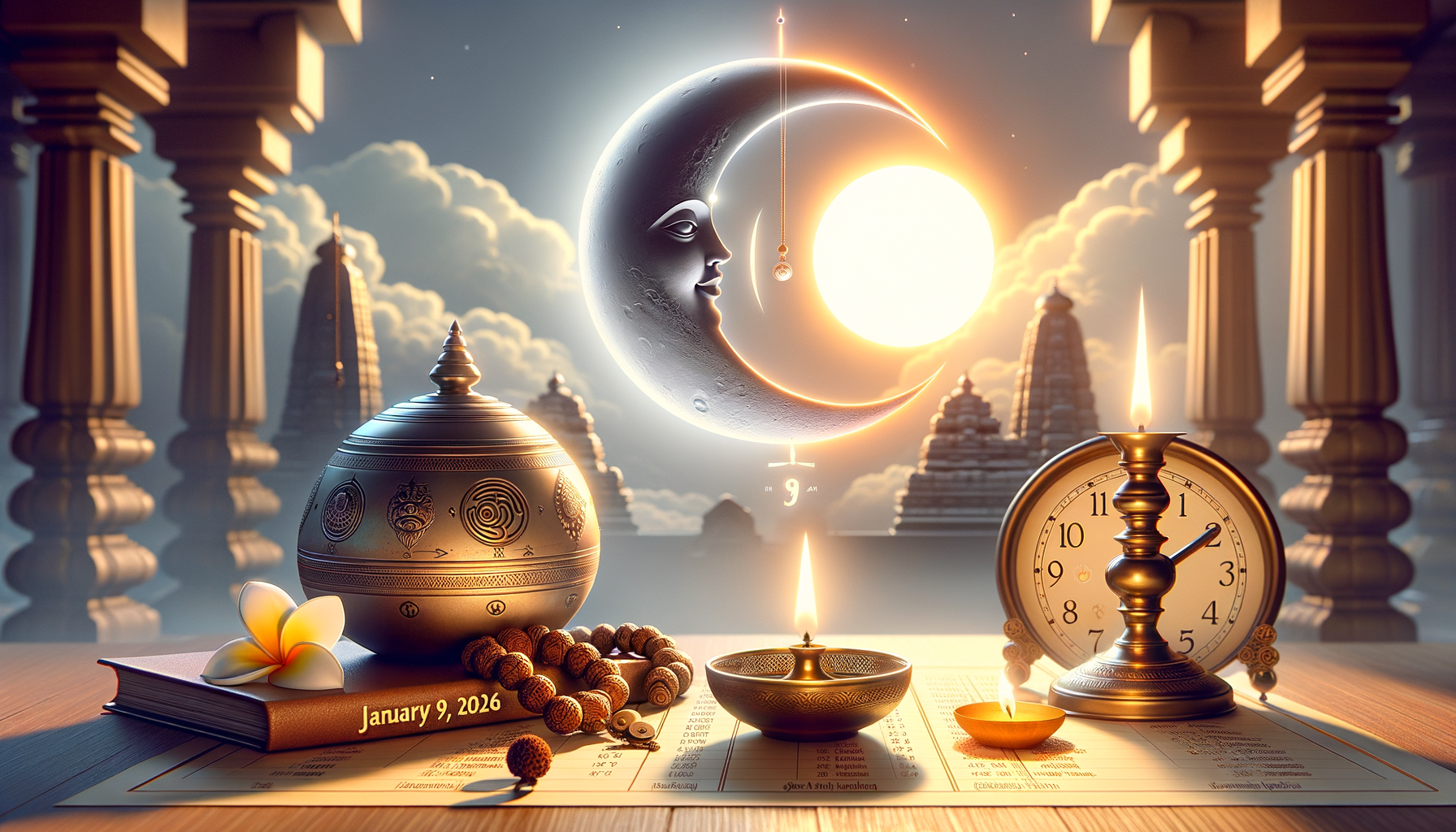
Friday, January 9, 2026, in the Hindu calendar (Panchang) marks Krishna Paksha Sashti tithithe sixth lunar day of the waning phaseuntil 10:21 AM (local time in most regions). From 10:21 AM onward, the day proceeds as Krishna Paksha Saptami tithi, the seventh lunar day of the dark fortnight. This sequence reflects the lunar rhythm that guides many observances in the Daily Hindu Calendar.
Because tithi transitions are calculated from precise lunar positions, the exact clock time for the shift from Sashti to Saptami can vary slightly by location and by the Panchang or ephemeris consulted. Those planning time-sensitive rites or temple visits benefit from confirming local timings through a trusted regional Panchang or temple notice. This practice aligns with the longstanding emphasis on accuracy and prudence in the Hindu calendar tradition.
Krishna Paksha often invites a reflective inward turning, and many practitioners observe that the waning fortnight supports simplicity, study, and steadiness. On Sashti, devotional practices associated with discipline and protectionsuch as prayers to Subrahmanya/Muruganare commonly observed in many families. As the day moves into Saptami, traditions frequently emphasize clarity and renewal, with Saptami remembered for its association with vitality and the sustaining light of Surya across various customs (distinct from the specific festival of Ratha Saptami, which falls in Shukla Paksha).
Regarding “good time” or auspicious time, the most reliable approach is context-aware muhurta selection. Devotees commonly harmonize the activity with its purpose (vrata, travel, study, or seva), the tithi in force, and personal factors such as Nakshatra and the Moon’s Rashi. Since these elements depend on local sunrise, solar noon, and lunar transits, practitioners typically consult a regional Panchang for precise muhurta rather than relying on generic clock intervals.
Nakshatra and Rashi for January 9, 2026, are time- and place-sensitive because the Moon may shift signs or Nakshatras within the day. Their significancewidely referenced in Panchanglies in fine-tuning personal observances, mantras, and sankalpa. Many households find that checking the prevailing Nakshatra and the Moon’s Rashi before key actions enhances confidence and devotional focus without overcomplicating daily life.
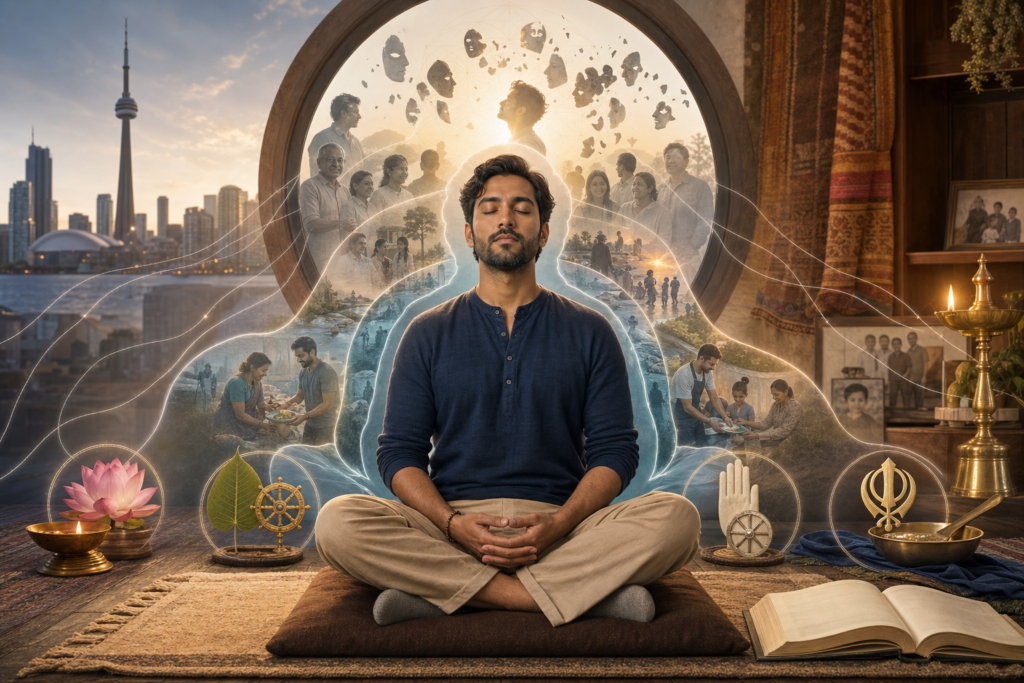
Across dharmic traditionsHinduism, Buddhism, Jainism, and Sikhismrespect for cyclical time encourages mindfulness, restraint, and compassion in daily conduct. While the terminologies and calendars differ, the shared spirit of intentional living, study, and seva fosters unity and mutual appreciation. Observers often note that this common ground strengthens inter-community harmony while honoring each tradition’s distinct heritage.
Practical, gentle observances on this day may include a brief scriptural reading, quiet japa, or a small act of charity aligned with the reflective tenor of Krishna Paksha. Many families observe that even simple practices, undertaken with shraddha and guided by the Panchang, deepen the sense of connection to time, community, and the sacred.
Summary for planning: January 9, 2026 is Krishna Paksha Sashti until 10:21 AM and Krishna Paksha Saptami thereafter in most regions. For muhurta, Nakshatra, and the Moon’s Rashi, a local Panchang or temple advisory remains the best reference. This mindful approach preserves accuracy while sustaining the living wisdom of the Hindu calendar.
Inspired by this post on Hindu Blog.