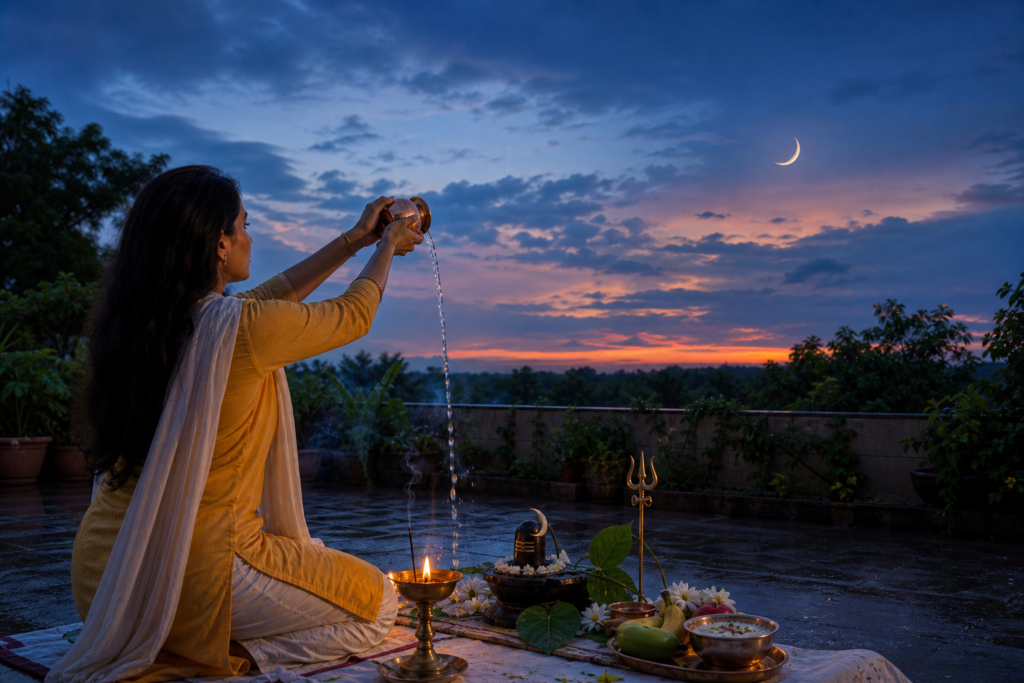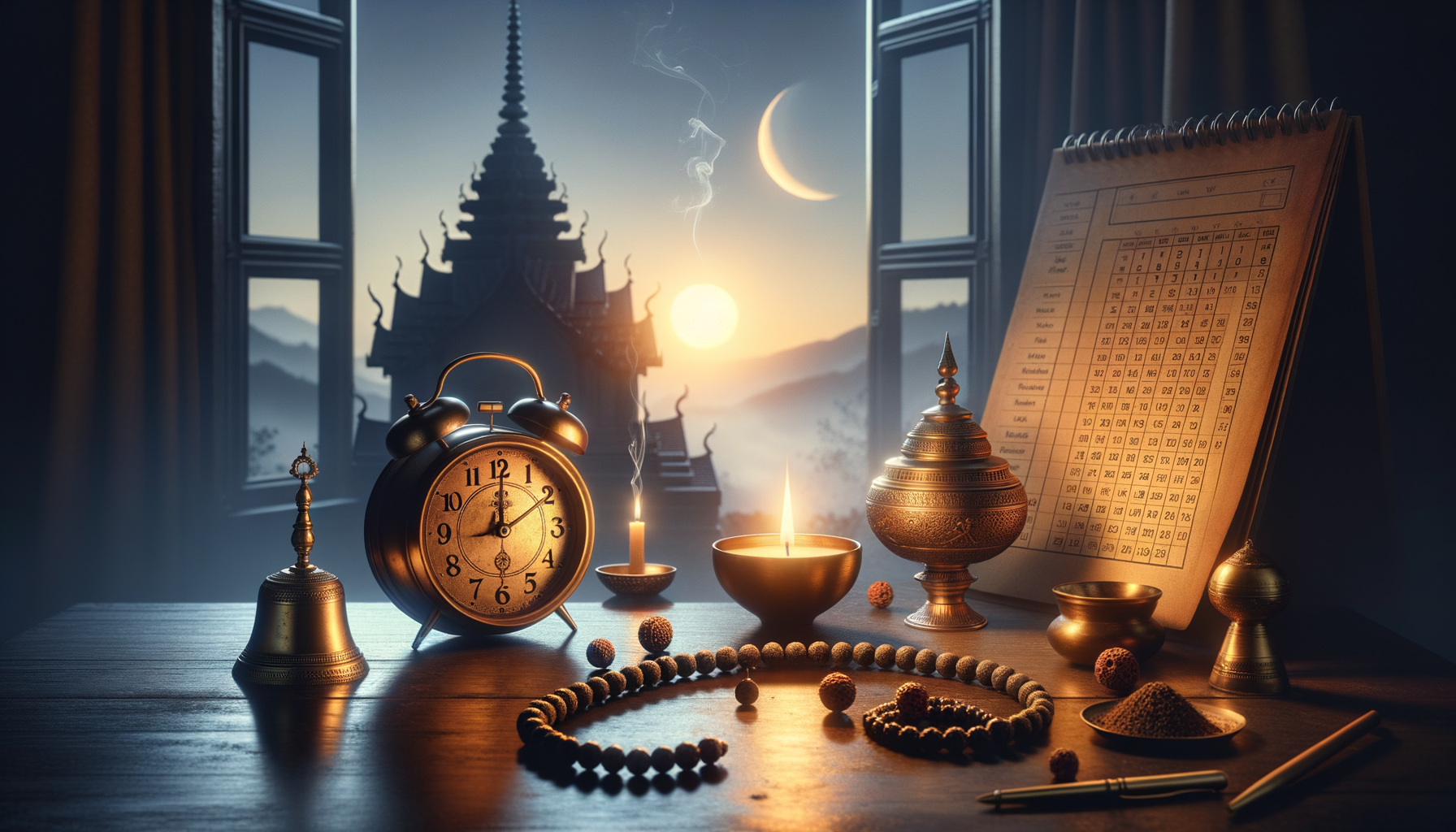
On Monday, February 9, 2026, the Daily Hindu Calendar (Panchang) marks a transition of tithi. Krishna Paksha Saptami continues until 5:18 AM (local time in most regions), after which the day proceeds as Krishna Paksha Ashtami for the remainder of the day.
These timings follow traditional Panchang calculations that can vary by location due to sunrise and longitude differences. For precise local guidance, one is advised to consult a trusted regional Panchang or temple noticeboard so that observances align with accurate tithi boundaries.
Krishna Paksha Ashtami is often approached as a reflective interval in the lunar cycle. Many households choose quieter forms of upasanasuch as japa, simple satvik meals, and unhurried reading of sacred textsto harmonize personal rhythm with the waning moon’s contemplative tone. Planning a sankalpa or vrata after 5:18 AM aligns devotional intent with Ashtami, while activities undertaken before that time fall under Saptami.
Although practices vary across regions, the shared attention to lunar timekeeping underscores a deeper cultural thread across dharmic traditionsHinduism, Buddhism, Jainism, and Sikhism. Observing the Panchang fosters a unifying sensibility: families and communities attune to a common cadence of time, cultivating mutual respect for diverse forms of worship within a shared civilizational heritage.
For those seeking additional detailsuch as Nakshatra or Rashithese elements are best confirmed locally on the day, as they are sensitive to regional calculations. Referencing a location-specific Panchang or a reliable app ensures that temple visits, puja, and vrata observances are carried out at the most appropriate moments.
Approached with clarity and care, the February 9, 2026 Panchang becomes not merely a schedule but a gentle guide to intentional living: noting Saptami up to 5:18 AM and embracing Krishna Paksha Ashtami thereafter, with practices that nurture inner steadiness and strengthen cultural continuity.
Inspired by this post on Hindu Blog.