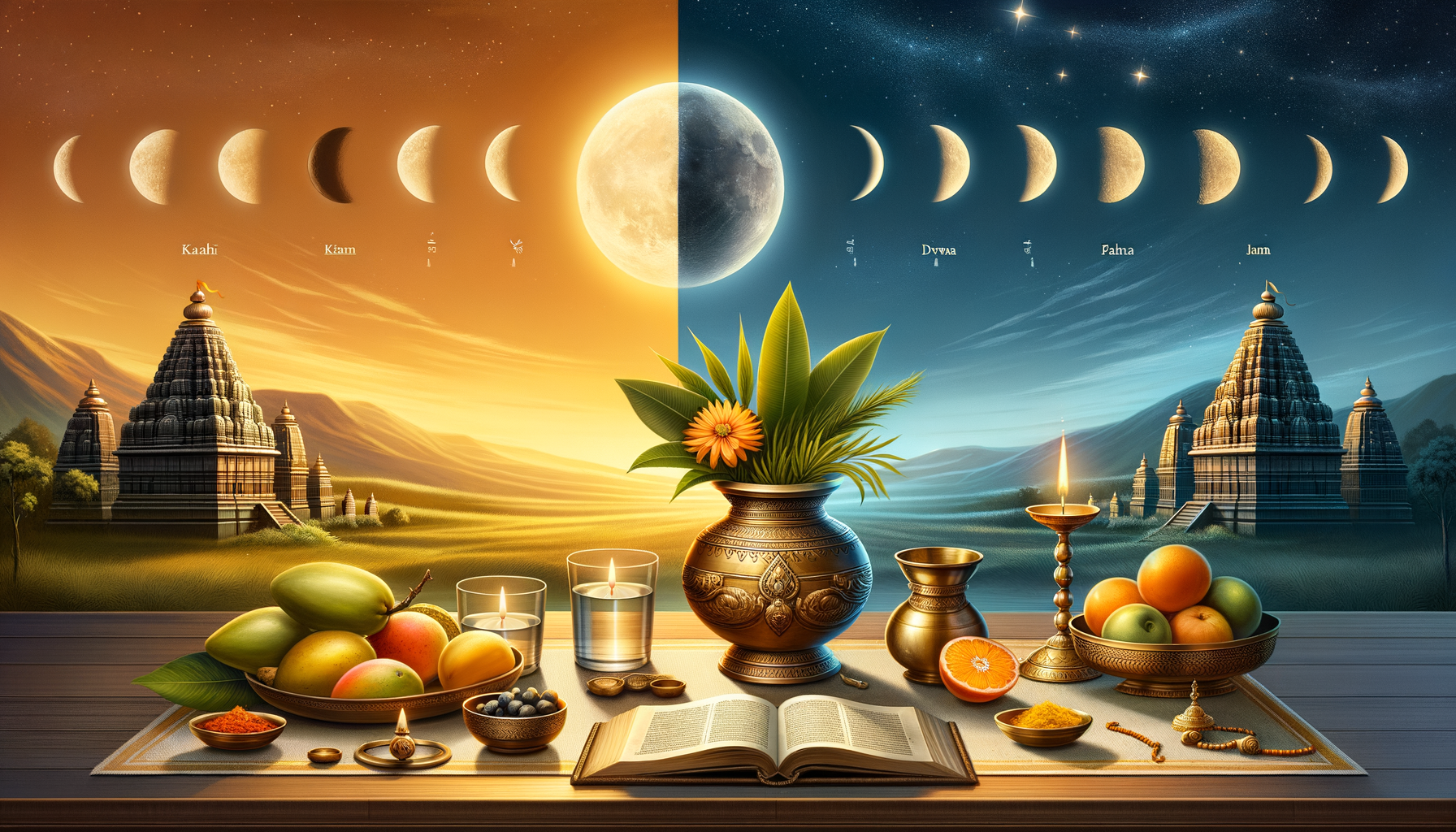
Friday, February 13, 2026, in the Hindu calendar (Panchang) falls in Krishna Paksha. It is Krishna Paksha Ekadashi tithi (eleventh lunar day of the waning phase) until 1:30 PM in most regions; from that point onward, it transitions to Krishna Paksha Dwadashi tithi (twelfth lunar day of the waning phase). Local calculations may vary slightly by location and Panchang tradition.
Ekadashi holds special significance in the Hindu calendar as a day associated with mindfulness, vrata (fasting), and inner clarity. Observances on this day often emphasize sattvic living, mantra recitation, and study of dharmic texts. These practices resonate with the broader dharmic ethos shared across Hinduism, Buddhism, Jainism, and Sikhismwhere self-discipline, compassion, and reflection nurture unity and mutual respect.
With the tithi changing at 1:30 PM, those undertaking Ekadashi vrata typically observe Parana (the formal conclusion of the fast) on Dwadashi. As specific Parana windows and Shubh Muhurat depend on regional Panchang calculations (including sunrise times and local adjustments), consulting a trusted local Panchang or temple bulletin ensures accuracy while honoring tradition.
In planning puja and seva on this date, many find the early pre-dawn period (Brahma Muhurta) deeply conducive to japa and meditation. Midday Abhijit Muhurat is traditionally noted for undertaking important tasks in some traditions, though its exact span varies by locale and should be verified. Even when precise Nakshatra or Rashi details are not at hand, maintaining a calm, attentive state of mind elevates any observance on Ekadashi and Dwadashi.
Nakshatra and Rashi readings are valuable for personal reflection and for aligning rituals with one’s sankalpa. Because these elements depend on the Moon’s position at specific times and places, a region-specific Panchang remains the most reliable guide. Many households note that, regardless of such specifics, devotion, dana (charity), and svadhyaya (study) sustain the spirit of the day.
Regional Panchang traditions (for example, differences in calculations and observance customs) may lead to minor variations in tithi end times and recommended Muhurats. Respecting local practice while appreciating the shared dharmic principles fosters harmony across communities. The transition from Ekadashi to Dwadashi on this date offers a gentle reminder: sustained awarenessacross both daysanchors the fruits of fasting in everyday conduct and compassionate action.
For many families, February 13, 2026, serves as a practical and spiritual waypoint: a morning carried by the Ekadashi resolve and an afternoon opening to Dwadashi’s completion and gratitude. In this continuity, the Panchang functions not only as a calendar but as a companion to ethical livingencouraging unity, equanimity, and shared purpose among all who walk a dharmic path.
Inspired by this post on Hindu Blog.