Across Hindu tradition, dreams are often regarded as subtle bridges between the subconscious mind and the realm of the sacred. When Lord Vishnu and Goddess Lakshmi appear in dreams, many devotees understand these visions as divine messages that offer spiritual insight, emotional reassurance, and ethical direction. Interpreted thoughtfully, such dreams can illuminate the path of dharma, nurture inner peace, and invite sattvic prosperity grounded in compassion and wisdom.
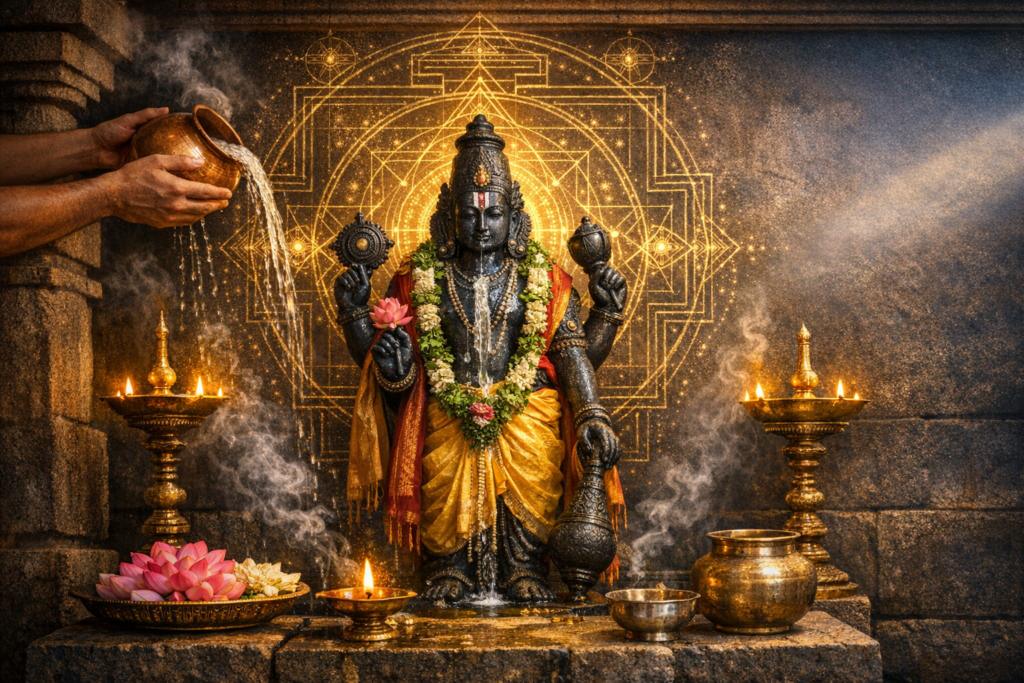
In Hindu thought, Vishnu represents preservation, protection, and cosmic order. Dream images such as Vishnu on Ananta Shesha, the Sudarshana Chakra, or darshan within a temple commonly signify stability, ethical clarity, and the restoration of balance. These motifs may suggest guidance to uphold responsibilities, resolve conflicts with equanimity, and recommit to righteous conduct in daily life. In the language of Hindu dream interpretation, such symbols align the dreamer with courage, patience, and faith—qualities essential for navigating change without losing inner steadiness.
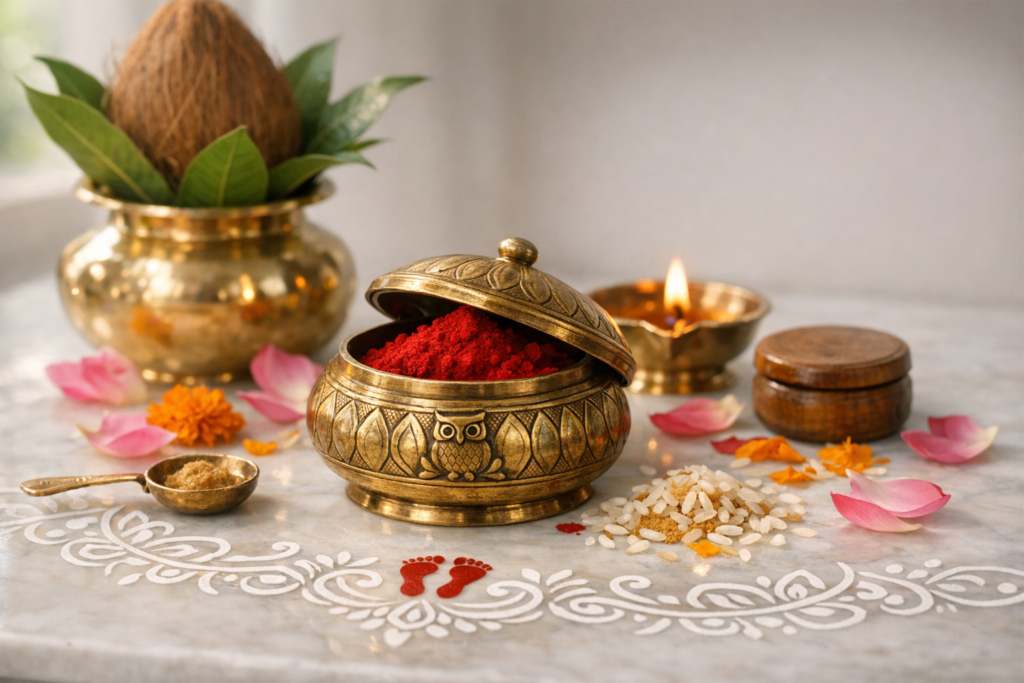
Goddess Lakshmi embodies abundance, beauty, and auspiciousness. Seeing Lakshmi in a dream—especially with symbols like the lotus, elephants pouring water, or a gentle shower of light—often points to holistic prosperity. This goes beyond material gain; it includes emotional well-being, harmonious relationships, and a mind attuned to gratitude. In this sense, Lakshmi’s presence encourages cultivating generosity (dāna), ethical wealth, and mindful stewardship, ensuring that prosperity supports both personal growth and social good.
When Vishnu and Lakshmi appear together, the dream frequently signals the union of protection and prosperity, or the harmony of dharma (ethical order) and artha (responsible resources). Such visions may affirm the strength of the household (gṛhastha dharma), inviting balance between duty and comfort, action and rest, devotion and discernment. The combined darshan can serve as a reminder that true abundance is sustained by virtue, and that material stability finds its highest purpose in service and compassion.
Certain motifs recur in auspicious dreams. Temple darshan often suggests divine assurance and renewed devotion; receiving prasāda can indicate blessings and purification; hearing mantras like “Om Namo Narayanaya” or receiving the lotus from Lakshmi may signal inner healing and the softening of anxiety. Elements such as the ocean of milk (Kṣīra Sāgara) evoke depth, patience, and timeless support. Even colors carry meaning: gold and white hint at purity and auspicious grace, while deep blue evokes Vishnu’s protective vastness. Interpreting these symbols benefits from noting the emotional tone of the dream—peacefulness, clarity, or relief frequently underscores an auspicious message.
Practical integration helps translate sacred signs into steady progress. Maintaining a dream journal preserves subtle details and patterns. Brief morning meditation and gentle breath awareness can clarify the dream’s message before daily concerns intervene. Simple acts—lighting a lamp, chanting a chosen mantra, reading a few verses from sacred texts, or practicing mindful generosity—root the insight in action. Consulting knowledgeable elders or studying scriptural symbolism can refine understanding while avoiding superstition or fatalism. The emphasis remains on ethical living, balanced effort, and compassionate conduct.
Within the broader dharmic family—Hinduism, Buddhism, Jainism, and Sikhism—dreams are best approached as invitations to cultivate inner clarity and moral purpose. While imagery and theology differ, a shared ethic emerges: mindfulness (as in Buddhist practice), ahiṁsā and self-discipline (central to Jain teachings), and seva and remembrance of the Divine (as nurtured in Sikh tradition). Interpreted through this inclusive lens, dreams of Vishnu and Lakshmi guide all toward unity in compassion, personal responsibility, and spiritual maturity.
Sound discernment remains essential. Dreams communicate in symbols, and their meanings are shaped by context, temperament, and present life challenges. If a dream induces distress, it may be asking for rest, reflection, or supportive counsel as much as it offers celestial reassurance. Sacred signs enrich life when harmonized with reason, humility, and steady practice; they are companions to free will and wisdom, not substitutes for either.
Ultimately, dreams of Vishnu and Lakshmi can reaffirm protection, invite prosperity rooted in ethics, and rekindle devotion that steadies the mind. Approached with gratitude and clarity, these divine messages encourage a life aligned with dharma—where inner peace and outward responsibility move together, and where prosperity becomes a channel for kindness, unity, and lasting well-being.
Inspired by this post on Hindu Blog.