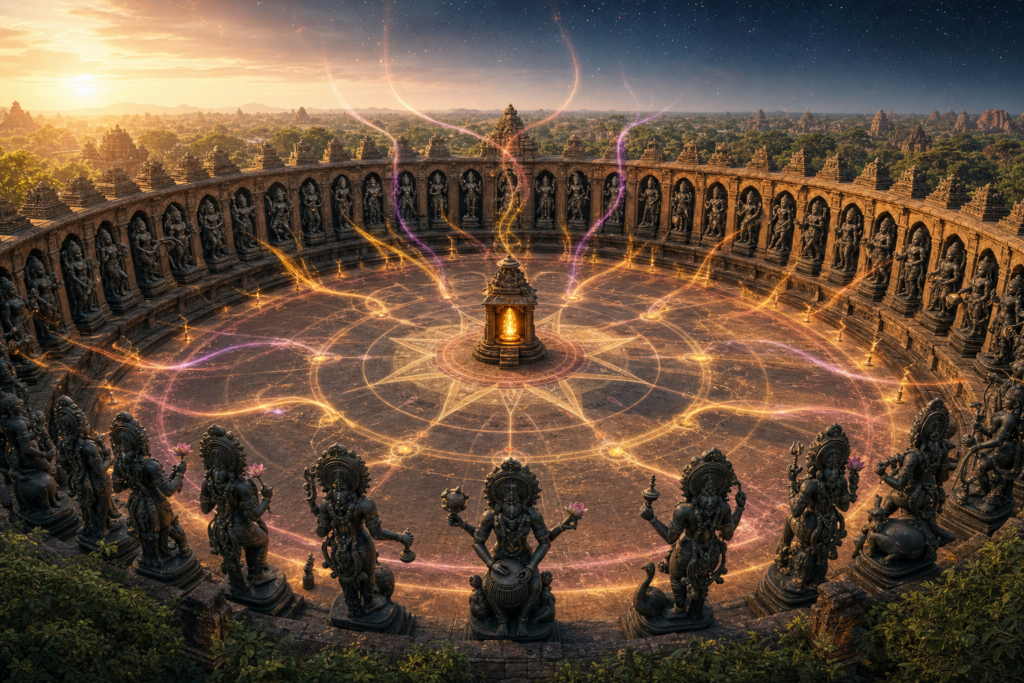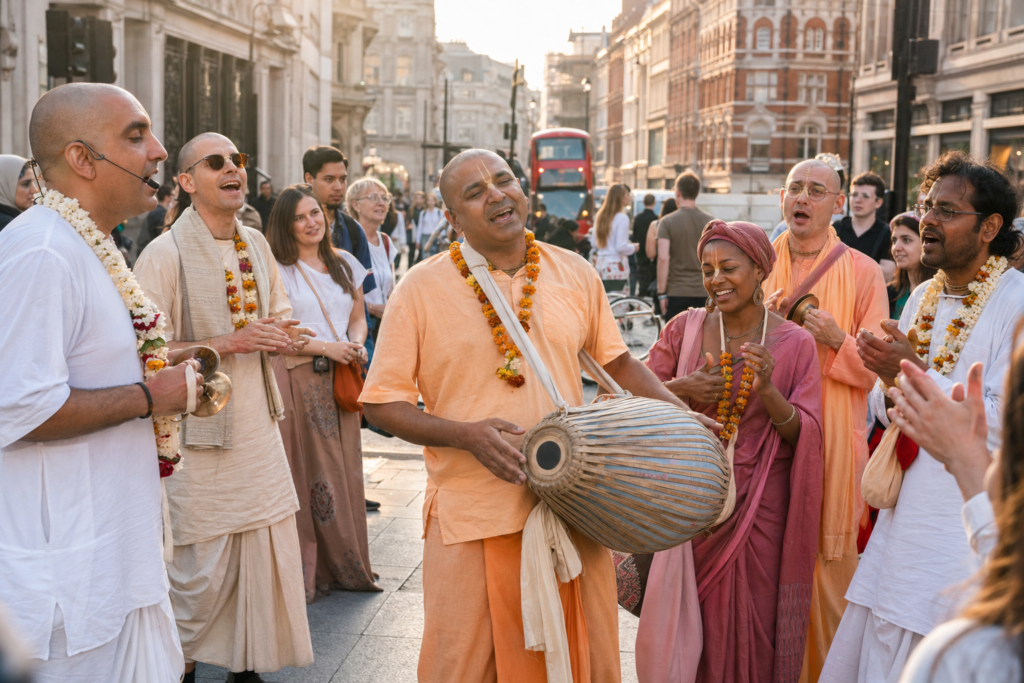
Panchayatana Puja, also known as Pancha Deva Puja, embodies Hinduism’s philosophy of unity in diversity by venerating five principal deities together in a single, harmonious ritual. This practice presents a scholarly yet deeply devotional vision in which distinct divine forms are honored as complementary facets of the Supreme Reality, sustaining an inclusive ethos central to the Hindu way of life.
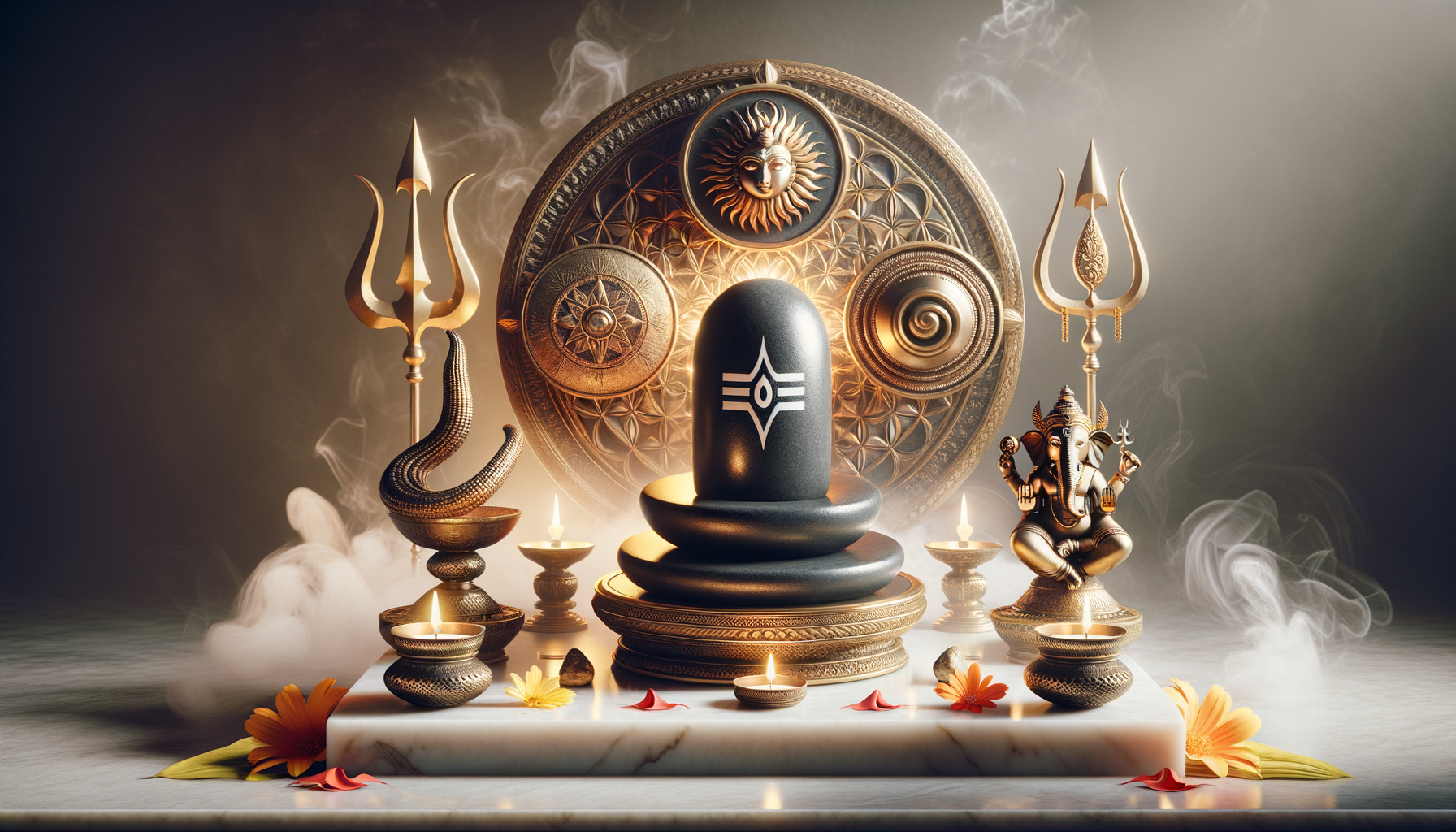
In its classical form, the five deities of Panchayatana Puja are Shiva, Vishnu, Devi, Surya, and Ganesha. The worship typically arranges these murtis or symbols in a quincunx pattern (one at the center and four around), allowing the central position to be assigned to the devotee’s chosen Ishta-devata while equally venerating the remaining deities. This spatial symbolism conveys an academic insight with lived resonance: multiplicity does not fracture the sacred, but reveals its fullness.
Historically associated with the Smarta tradition and often linked to Adi Sankara, Panchayatana Puja was articulated as a refined response to sectarian preferences. It neither erases devotional distinctiveness nor enforces uniformity; rather, it integrates diverse forms of worship into a coherent whole. In alignment with Advaita Vedanta, this synthesis affirms that varied deities can be contemplated as portals to the same Brahman, thereby nurturing religious pluralism in India.
The concept of Ishta in Hinduism is central here: each practitioner may elevate a personally resonant form while acknowledging the sanctity of others. Swami Vivekananda’s teachings on Ishta underscore this principle as a mature spiritual outlookpersonal devotion flowering within a culture of respect. In practical terms, the ritual thus advances freedom of worship without diminishing alternative paths, strengthening a social ethic of mutual recognition.
For many practitioners, the devotional atmosphere of a Panchayatana shrine is quietly transformative. The balanced arrangement of the five deities inspires a sense of inner equilibrium, inviting contemplation, gratitude, and ethical clarity. The ritual rhythmlamp, mantra, and offeringcultivates serenity and one-pointedness while instinctively training the mind to perceive unity behind apparent difference.
This integrative vision resonates across dharmic traditions. Jain thought on Anekantavada values multiple perspectives; Buddhist lineages acknowledge diverse contemplative methods; Sikh tradition affirms the oneness of the divine. Though doctrinal frameworks differ, a shared civilizational commitment to compassion, non-harm, and spiritual inclusivity supports a culture in which varied practices can thrive in harmony.
Contemporary observance of Pancha Deva Puja reflects this inclusivity. Households and temples may employ murtis, yantras, or aniconic symbols, and regional aesthetics often shape materials and mantras. There is no single rigid manual: local custom, family lineage, and community guidance provide a flexible grammar for the ritual, ensuring accessibility while safeguarding sanctity.
By honoring Shiva, Vishnu, Devi, Surya, and Ganesha together, Panchayatana Puja serves as an academic exemplar and a living practice of unity in spiritual diversity. It models how personal devotion (Ishta) and shared reverence can co-exist without contradictionan enduring framework for interfaith respect within the broader dharmic family. In a plural society, this ritual becomes more than worship; it is a method for cultivating inner harmony, social cohesion, and a compassionate civic culture.
Inspired by this post on Hindu Blog.