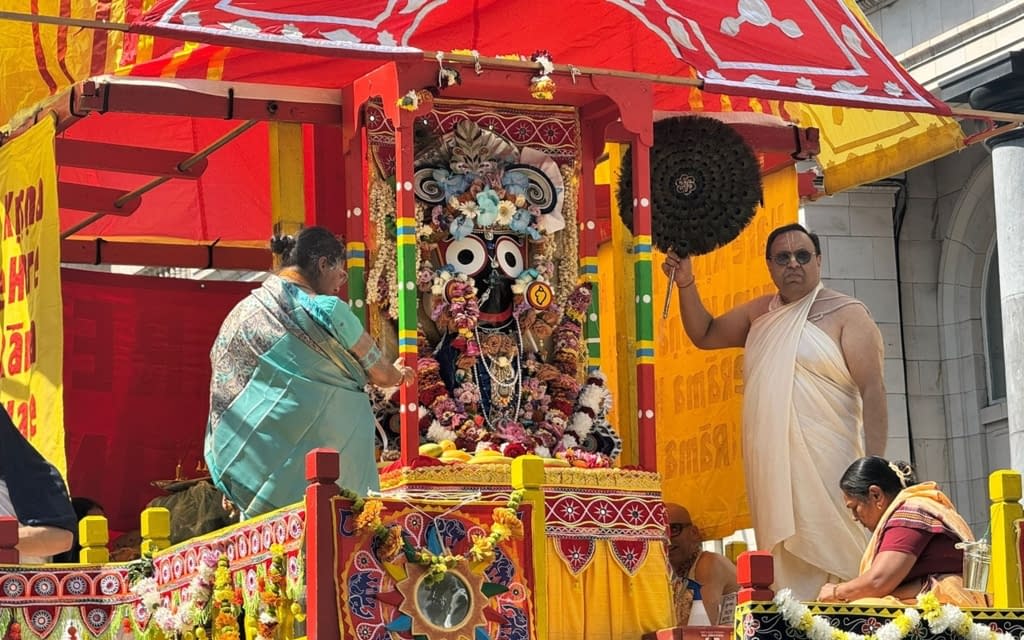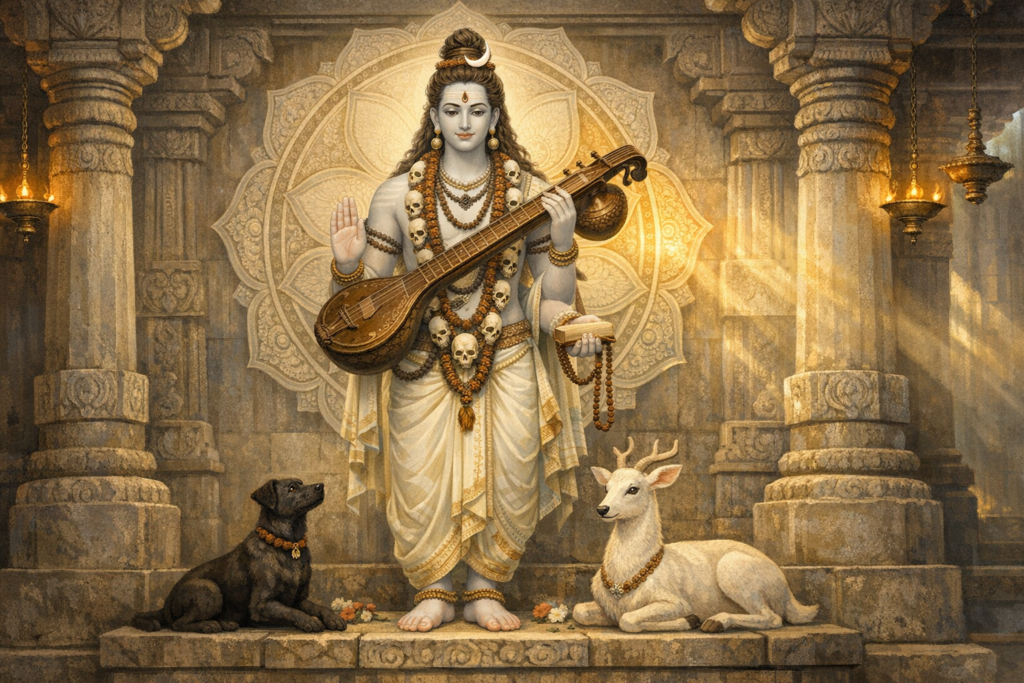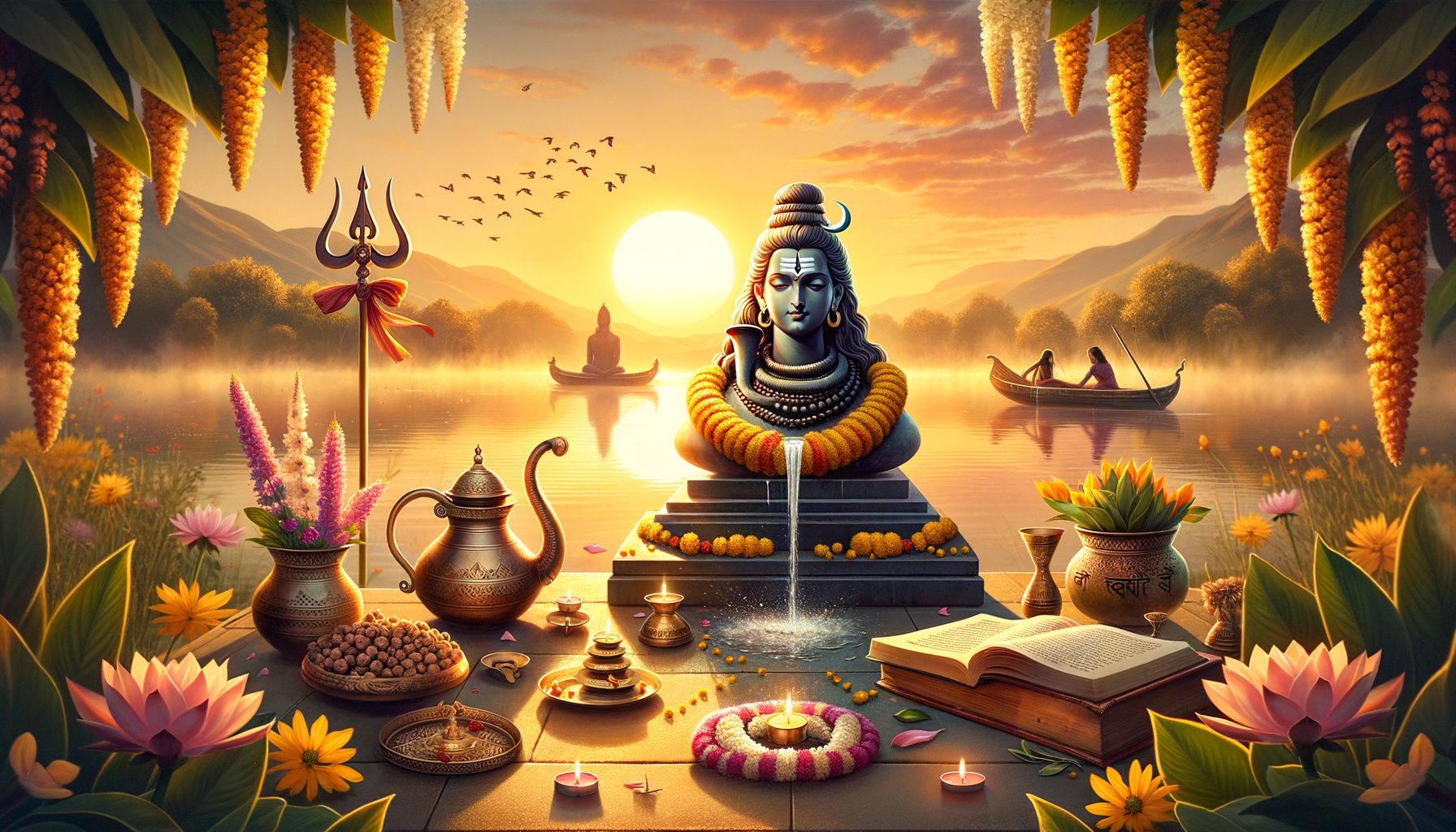
Magh month, known as Magha masam or Magh mahina, is the eleventh month of the Hindu calendar and is traditionally devoted to Lord Shiva. Across regions, this lunar period is regarded as especially auspicious, encouraging intensified sadhana, dana, and vrata. The month also foregrounds devotion to Saraswati Devi through Vasant Panchami and daily reverence to Surya Bhagwan during the bright half of Uttarayana.
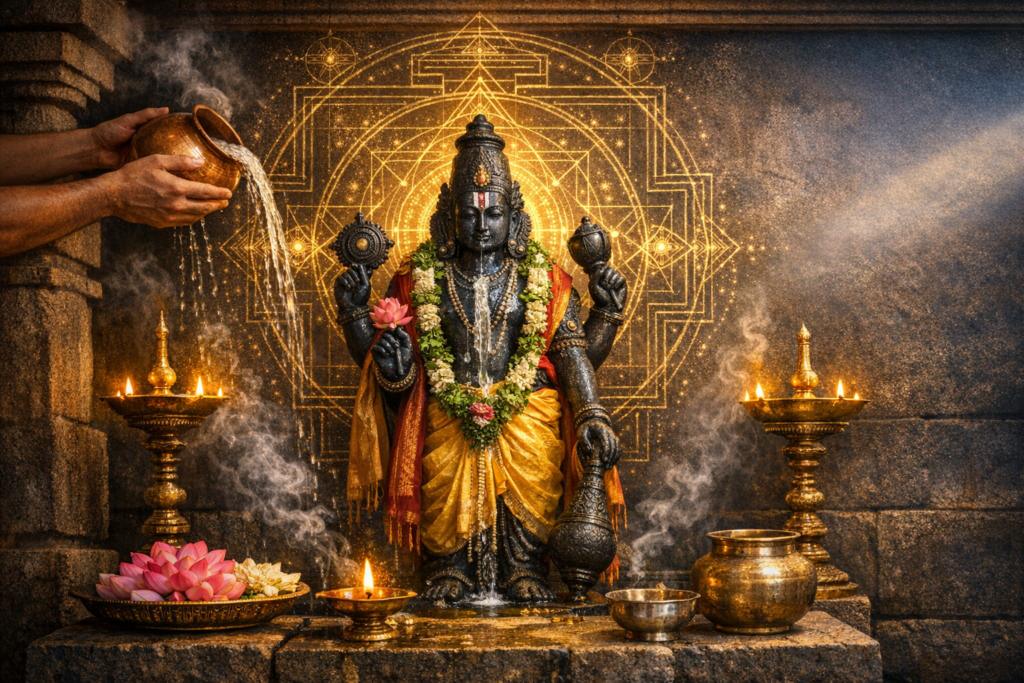
Key observances during Magha include Magh Snan at sacred rivers—most notably at the Triveni Sangam in Prayagraj—where ritual bathing at dawn symbolizes inner purification. Mauni Amavasya emphasizes silence and introspection, while Maghi Purnima marks the full moon that crowns the month’s spiritual practices. In many traditions, students and scholars honor Saraswati Devi on Vasant Panchami, and householders offer arghya to the sun each morning, aligning practice with the rhythms of the Hindu calendar.
Because Magha is associated with austerity and tapas, Shiva upasana often intensifies, with devotees engaging in japa, dhyana, and simple living to cultivate clarity and restraint. The symbolic arc of the month moves from purification to illumination: water rites cleanse, disciplined study invokes Saraswati’s grace, and regular Surya worship nurtures vitality and steadiness.
The spiritual vocabulary of Magha resonates across dharmic traditions, underscoring a shared ethic of wisdom, compassion, and self-discipline. In Sikh tradition, Maghi commemorates the valor of the Chali Mukte and fosters seva and remembrance. In many Buddhist communities, Magha Puja (Makha Bucha) on the full moon honors the Buddha’s teachings and the community of practitioners. Jain practice during this period highlights ahimsa, dana, and tapas, mirroring the month’s emphasis on restraint and inner refinement. These interlinked observances cultivate unity in spiritual diversity and a common commitment to moral living.
Accessible ways to observe Magha include early-morning baths or ablutions with mindful intention, offering arghya to the rising sun, reciting Shiva mantras, studying sacred texts, and organizing Saraswati Puja for students and educators. Acts of charity—such as distributing warm clothing, supporting learning, or feeding those in need—translate devotion into social well-being. Short periods of mauna (silence) during Mauni Amavasya and reflective journaling through the fortnight can deepen insight.
Whether referred to as Magh, Magh mahina, or Magha masam, the month weaves together ritual, knowledge, and ethical action. Observed from the Gangetic plains to coastal regions and across the global diaspora, its practices invite communities to purify intention, seek learning, and honor the sustaining light of Surya Bhagwan and the compassionate grace of Saraswati Devi and Lord Shiva. In doing so, Magha strengthens cultural continuity while nurturing a harmonious, dharmic unity.
Inspired by this post on Hindu Pad.