On Wednesday, January 28, 2026, the Hindu calendar (Panchang) notes Shukla Paksha Dashami as the prevailing tithi until 2:00 PM in most regions; thereafter, the lunar day transitions to Shukla Paksha Ekadashi. This January 28 2026 Tithi overview reflects common regional calculations, with minor variations possible based on longitude, latitude, and local almanac traditions.
Within the waxing phase of the moon, Shukla Paksha Dashami is traditionally associated with steady progress and disciplined preparation, while Ekadashi is revered for upavasa, japa, and satvika conduct. Observances linked to tithi rhythmsacross the broader dharmic family including Hinduism, Buddhism, Jainism, and Sikh heritage influenced historically by the Bikrami reckoningencourage reflection, restraint, and compassion, nurturing unity in spiritual purpose.
Nakshatra, Rashi, and shubh muhurta (good time) windows on this date are location-specific and should be confirmed through a regional Panchang. For planning, practitioners typically review local data for Nakshatra, Rashi, Abhijit Muhurta, Rahu Kalam, and other hora-based intervals before undertaking puja, dana, sankalpa, or vrata. Aligning activities with auspicious, sattva-promoting periodsespecially after the tithi changes to Ekadashisupports contemplative intent while avoiding inauspicious spans such as Rahu Kalam.
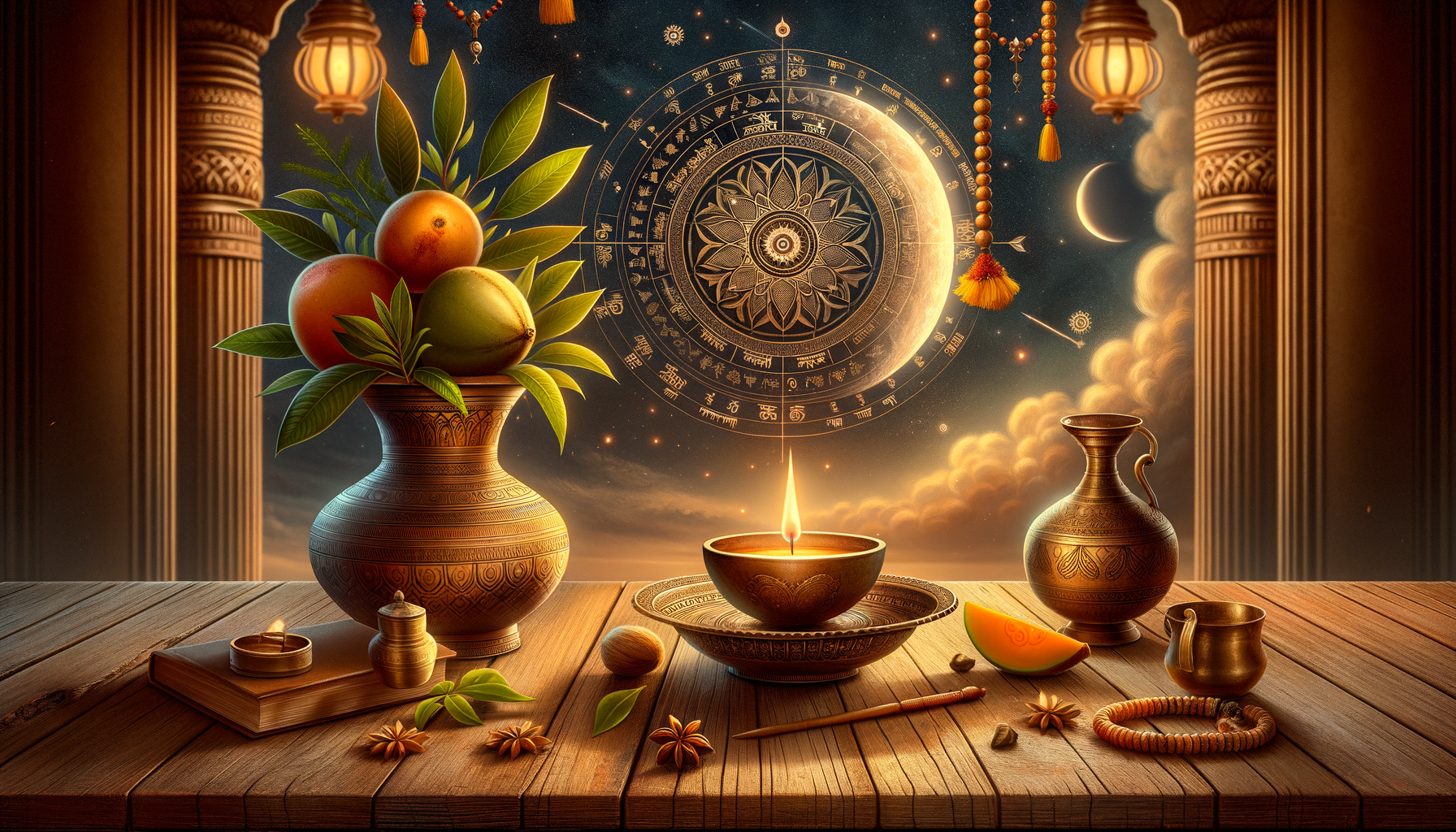
In many households, the morning hours of Dashami invite a simple sankalpa, lighting a diya, and recitation of brief stotras. After 2:00 PM, communities often transition gently into Ekadashi practices, continuing bhajans, dhyana, and mindful charity. Such rhythms are frequently experienced as emotionally centeringquiet yet connectivelinking individual practice to a wider spiritual family across regions and traditions.
Approached in this spirit, Wednesday’s Panchang becomes more than a calendar note; it becomes an opportunity for inclusive observance and mutual respect. Honoring diverse sampradaya practices while upholding shared valuesdharma, ahimsa, and inner claritystrengthens unity across dharmic traditions and sustains the living heritage of the Hindu calendar.
Inspired by this post on Hindu Blog.