One guiding insight recurs across Hinduism, Buddhism, Jainism, and Sikhism: a single, intimate relationship with the Divine—or with ultimate truth—organizes inner life and heals fragmentation. This “One Divine relationship” is not a claim of theological monopoly but a disciplined orientation that cultivates clarity, compassion, and resilience. When devotion or unwavering attention coheres around a chosen sacred focus, distractions diminish, ethical intention strengthens, and a quiet confidence emerges.
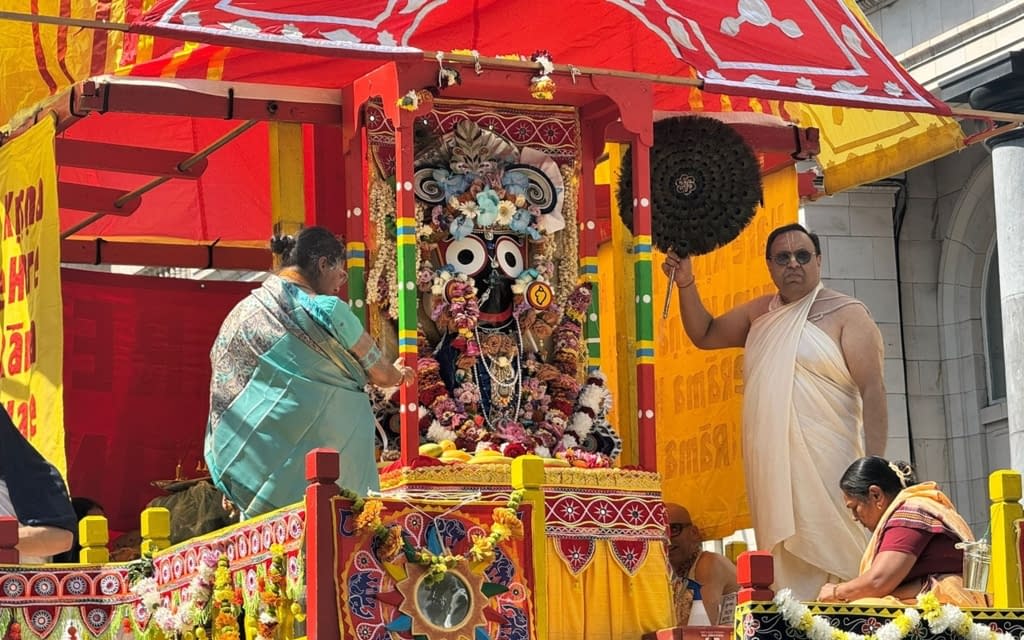
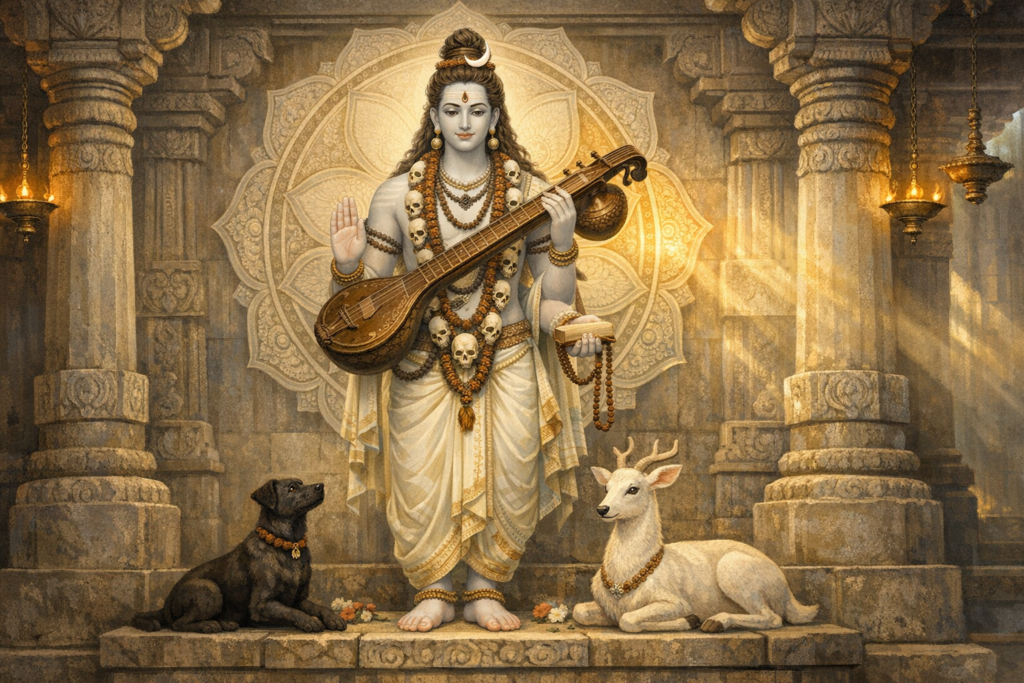
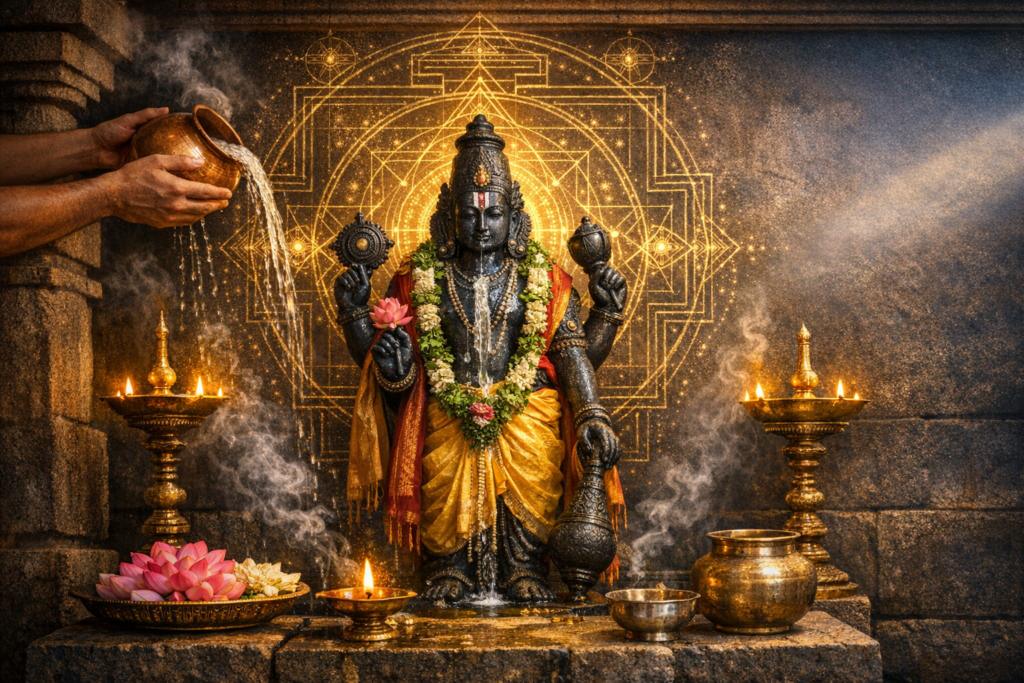
Within Hindu practice, the Ishta concept authorizes this centering by affirming a personally resonant form or principle of the Divine. Ishta does not narrow plurality; it makes plurality livable. Complementing this, Jain Anekantavada underscores many‑sided truth, ensuring that one‑pointedness (ekāgratā) does not become intolerance. Together, these frameworks show how a focused inner relationship and an expansive intellectual humility can coexist without contradiction.
Comparable dynamics appear across Dharmic traditions. In bhakti, japa and kirtan nurture loving remembrance; in Yoga and meditation, steady breath and attention refine awareness; in Jain practice, samayik trains equanimity; in Sikh tradition, simran and seva integrate remembrance of the Divine with service. Many report that anchoring in a single sacred bond reduces anxiety, stabilizes attention, and softens reactive emotions, producing measurable gains in inner peace and relational harmony.
Psychologically, a singular Divine relationship functions as an organizing principle: it prioritizes values, streamlines choices, and regulates affect. Ethically, it orients conduct toward non‑harm, truthfulness, and compassion, aligning with dharma and universal welfare. Socially, it fosters unity in spiritual diversity by revealing a shared core of reverence beneath varied symbols, names, and practices. This is how a private discipline scales into public harmony.
Importantly, “One Divine relationship heals all” is a statement about integration, not exclusion. In Vedantic terms, it may be read as remembrance of the One without a second; in Buddhist language, as sustained intimacy with Buddha‑nature; in Jain thought, as cultivation aligned with kevala‑jñāna; in Sikh practice, as living attuned to Ik Onkar. The shared function is coherence—transforming scattered impulses into a life of purposeful stillness and care.
Practical steps are straightforward: choose an Ishta or central contemplative focus; set a daily rhythm (japa, simran, meditation, or samayik); align conduct through seva and small acts of kindness; engage svādhyāya (study) to refine understanding; and close each day with gratitude. Consistency builds ekāgratā, while humility—grounded in Anekantavada and interfaith respect—keeps the heart open to other paths.
When lived this way, a single Divine relationship becomes a stabilizing axis for personal growth and a bridge across communities. It preserves the richness of plural traditions while offering a practical methodology for healing, peace of mind, and social cohesion. In this convergence of focus and openness lies a durable path to unity among Dharmic traditions.
Inspired by this post on SikhNet – News.