Griha Arambha Muhurtham 2026 offers a structured path to begin new house construction with auspicious intent, aligning timing with the Hindu calendar and Panchang. This guide explains how to identify Shubha Muhurtham for Neev Pujan (foundation laying) and Bhumi Pujan, using Tithi, Nakshatra, Lagna, and related factors, while honoring the shared dharmic emphasis on sacred beginnings across Hinduism, Buddhism, Jainism, and Sikhism.
Griha Arambha, often expressed as गृहारम्भ, signifies the sanctified commencement of building a home. In many Hindu traditions, Neev Pujan and Bhumi Pujan consecrate the land and foundation, inviting harmony, protection, and prosperity. Comparable valuesreverence for the earth, mindful intention, and ethical stewardshipare affirmed across dharmic paths, underscoring unity in the act of beginning with purity and gratitude.
Auspicious selection typically considers multiple Panchang elements simultaneously. These include: (1) Tithi (lunar day), (2) Nakshatra (lunar mansion), (3) weekday, (4) Lagna (Ascendant) and its strength, and (5) avoidance of inauspicious windows such as Rahu Kalam, Yamaganda, and Gulika Kalam. Regional observances may also note Yoga, Karana, and the presence or avoidance of Bhadra. Local sunrise and geographic coordinates are essential to calculate precise Muhurat windows.
In many regional practices, certain Tithis and Nakshatras are widely favored for Gruharambha Muhurat. By convention, Shukla Paksha Tithis are often preferred for constructive works. Among Nakshatras, Rohini, Mrigashira, Uttara Phalguni, Hasta, Anuradha, and Revati are frequently considered auspicious in numerous traditions, though local customs vary. The Lagna is selected to ensure benefic influence on the 4th house (property), with stable, well-aspected Ascendants often prioritized.
For January 2026, practitioners typically shortlist Gruharambha Muhurat from dates that align with favorable Tithi–Nakshatra combinations and a strong Lagna during local daytime. Because Panchang calculations depend on location, the most reliable approach is to apply the criteria outlined here to a region-specific calendar and then refine the window by excluding Rahu Kalam and other inauspicious periods.
Practically, the process follows a consistent methodology: (1) identify candidate dates in 2026 with constructive Tithis; (2) match with auspicious Nakshatras; (3) choose a Lagna that strengthens the 4th house and avoids malefic aspects; (4) narrow to daytime intervals free from Rahu Kalam, Yamaganda, and Gulika Kalam; (5) confirm compatibility with family and community observances; and (6) finalize in consultation with a qualified priest or astrologer using local sunrise data.
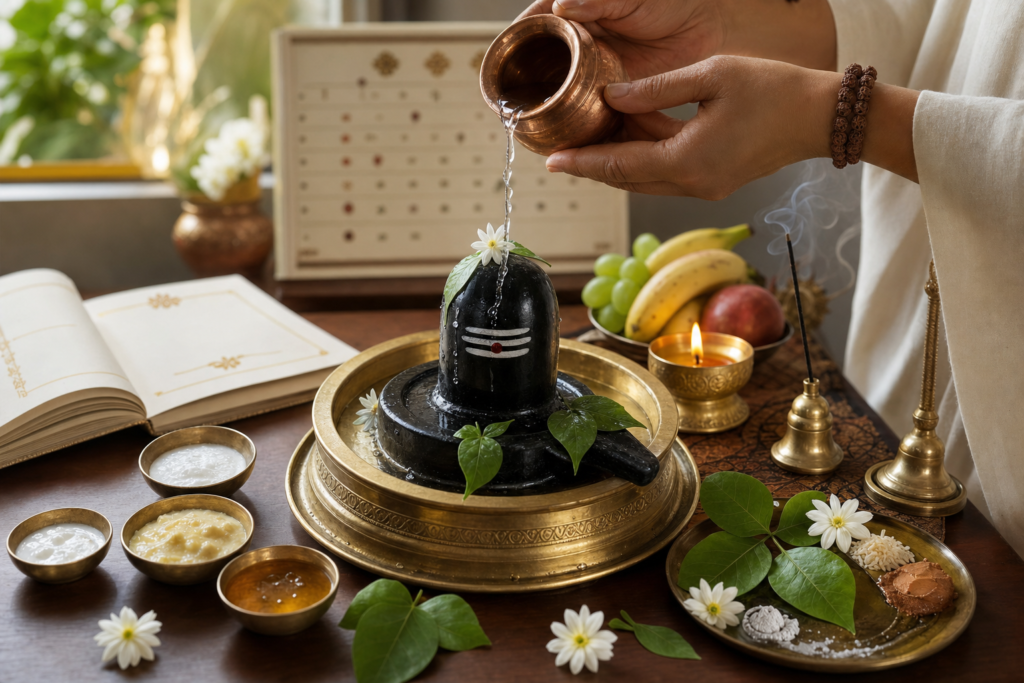
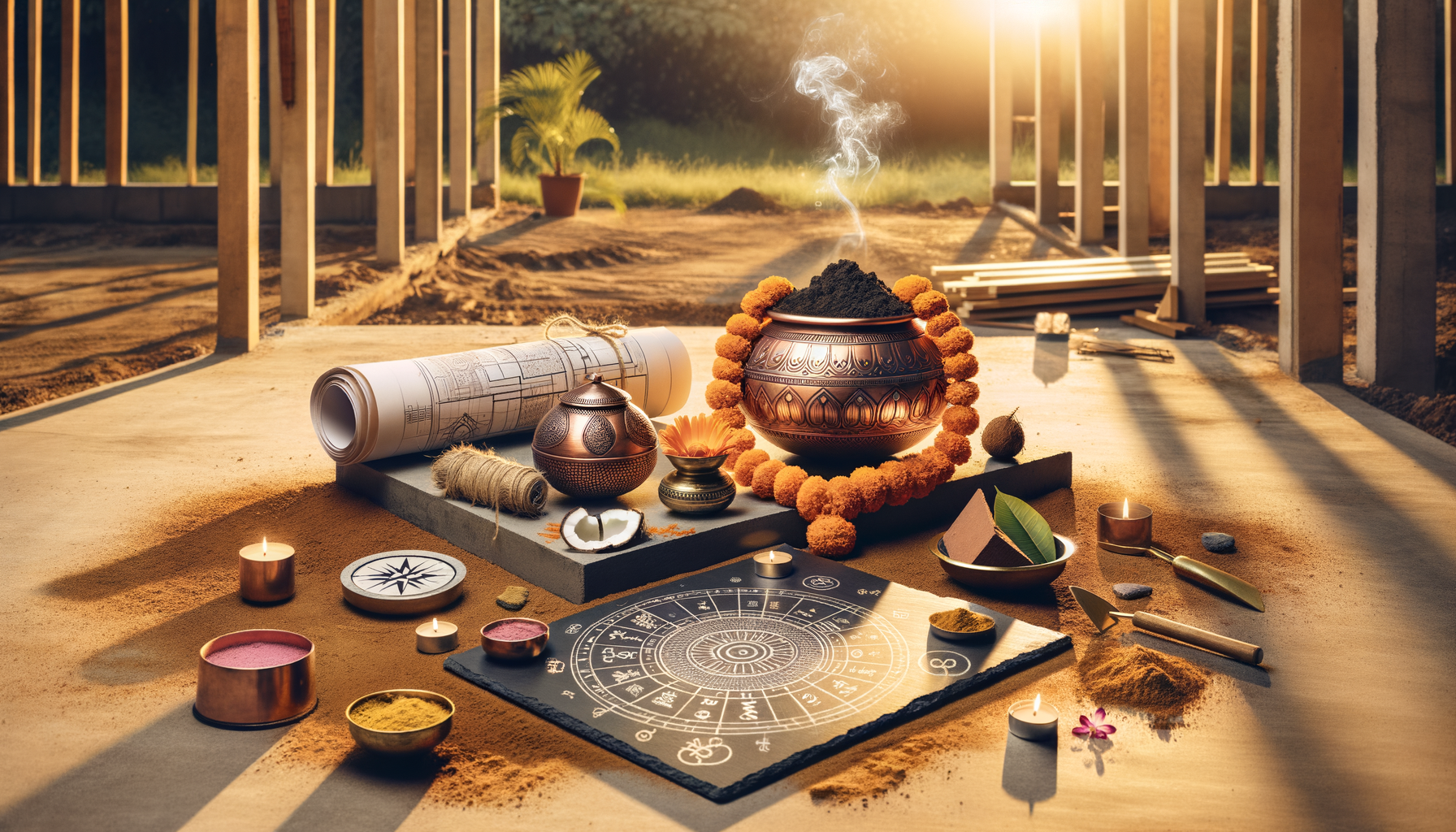
Bhumi Pujan embodies ecological respect and gratitude to Mother Earth. Many households incorporate sattvic offerings, eco-friendly materials, and minimal waste. A simple checklist often includes clean water, flowers, grains, cow dung cakes or incense, turmeric, kumkum, a copper pot, sanctified soil, and the first brick or stone. Community participationthrough collective prayers or silent reflectionreinforces shared values of harmony, compassion, and responsibility that resonate across dharmic traditions.
While broad principles are consistent, regional calendars, temple traditions, and family lineages (Kula Devata practices) contribute additional nuance. Aligning with local guidance ensures authenticity, accuracy, and cultural continuity. Those commencing construction in 2026 may find multiple suitable Muhurat windows throughout the year, including January, provided selections are refined to local Panchang timings.
Precision remains paramount. Because Tithi, Nakshatra, and Lagna change with time and place, all recommended windows should be verified with a region-specific Panchang or through consultation with an experienced astrologer or priest. This careful approach preserves the intention of Shubha Muhuratbeginning a home with clarity, devotion, and collective well-being in mind.
Inspired by this post on Hindu Pad.