Goddess Parvati’s evolution from a reserved Himalayan princess to the embodiment of Shakti stands as a defining narrative of courage, devotion, and inner transformation in the Hindu tradition. This journey, rooted in the sacred geography of the Himalaya and the ethics of dharma, offers a clear, relatable illustration of how steadfast practice can awaken latent strength and compassion. As a Hindu Goddess and Universal Mother, Parvati’s story continues to guide seekers toward resilience and balance.
Born to Himavan, the king of mountains, and Mena, Parvati began not as an all-powerful deity but as a thoughtful and determined young woman shaped by the rhythms of mountain life. Her early identity as Shailaputri, the daughter of the Himalaya, emphasizes humility, simplicity, and moral clarity. The narrative underscores that spiritual greatness often emerges from ordinary beginnings animated by purpose and patience.
Parvati’s disciplined quest (tapas) is central to her transformation. In the austere mode celebrated as Brahmācharini, she embraces rigorous self-cultivation, embodying unwavering focus and ethical restraint. Through tapas, devotion (bhakti), and self-mastery, the once-shy maiden becomes an exemplar of Inner strength, demonstrating that spiritual power is neither sudden nor inherited but illumined through sustained effort.
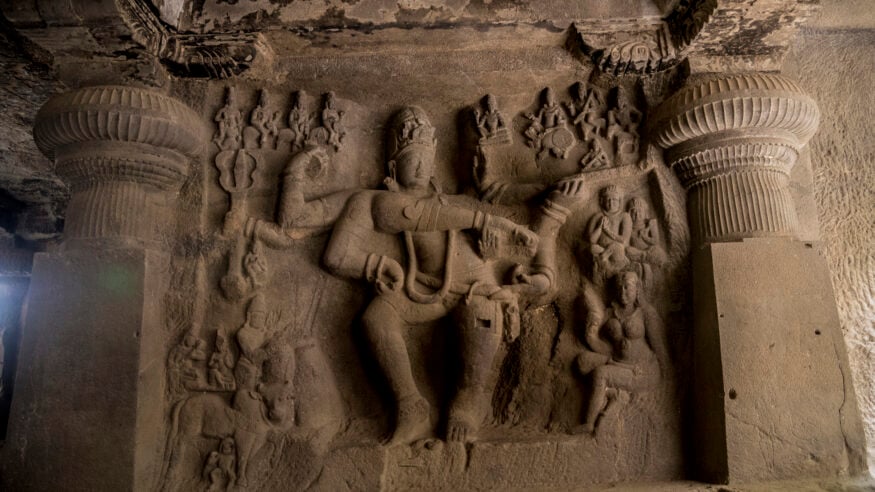
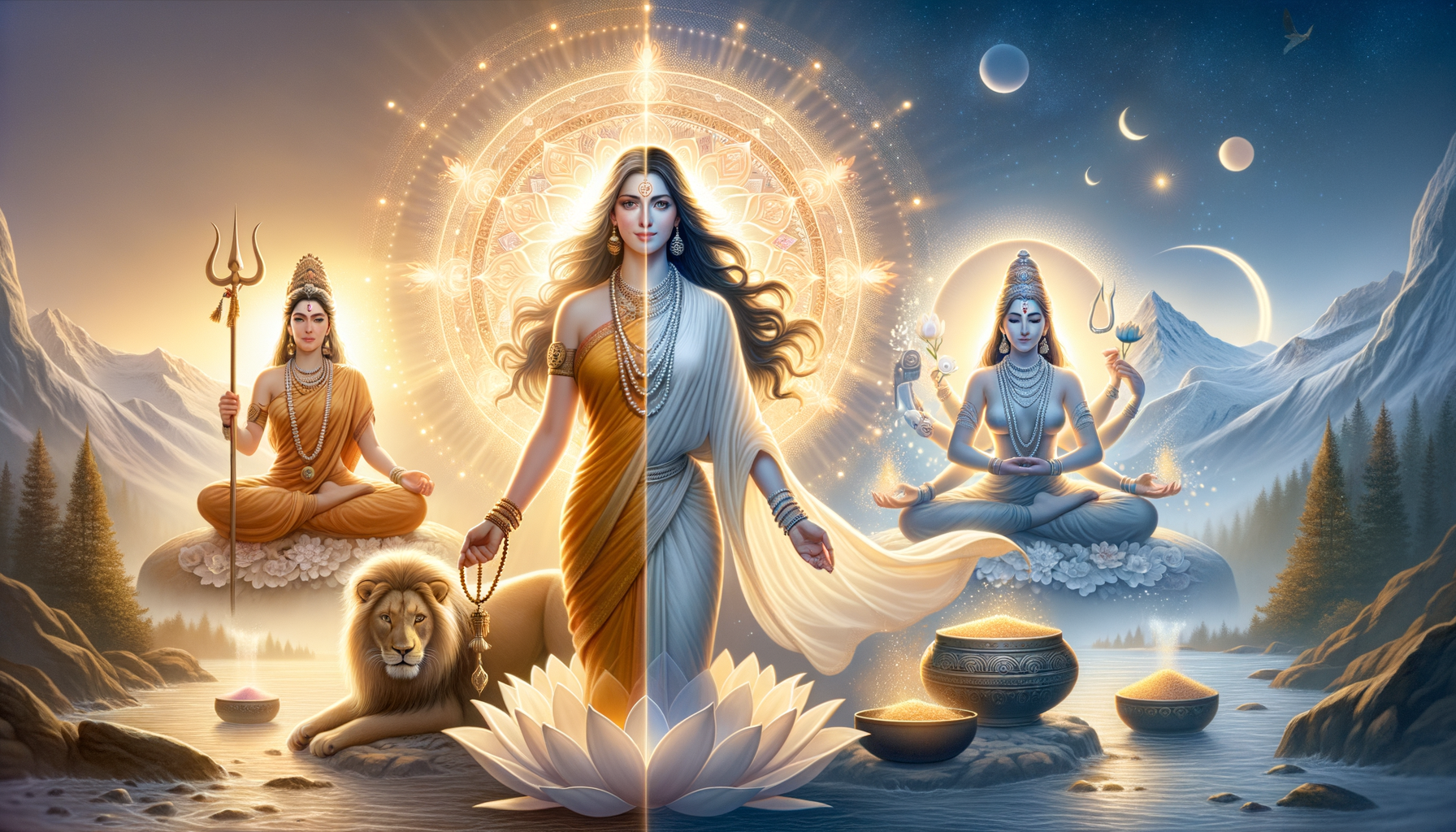
Her union with Shiva symbolizes the harmony of Purusha and Prakriti, consciousness and creative force. The synthesis is artistically represented in the ideal of Ardhanarishvara, affirming complementarities rather than conflict. In this balance, the contours of dharma become visible: Parvati’s presence stabilizes, nourishes, and protects, shaping cosmic order while remaining deeply attentive to human welfare.
As Devi Shakti, Parvati manifests as nurturing and protective formsGauri, Annapurna, and Durgaeach highlighting the many-sided nature of care, courage, and ethical strength. She is revered not only for transcendence but also for accessibility as the Universal Mother who responds to suffering with compassion and to adversity with decisive protection.
For many seekers across dharmic traditionsHinduism, Buddhism, Jainism, and Sikhismthis narrative provides a shared vocabulary of values: disciplined practice, mindful compassion, and service. While the theological frameworks vary, the ethical core converges on ahimsa, seva, and inner cultivation. Parvati’s ascent thus invites a spirit of unity, illustrating how diverse paths can honor common virtues without erasing their distinctiveness.
Viewed in this light, Parvati’s story becomes both a cultural inheritance and a living guide. It suggests that strength matures through dedication, that compassion deepens through understanding, and that true powerShaktiis the equilibrium of resolve and grace. The narrative encourages reflection on how devotion, discipline, and wisdom can transform ordinary life into a meaningful expression of the sacred.
Inspired by this post on Hindu Blog.