-
Chaitra Navratri Colours 2026: Definitive Day-Wise Guide to Auspicious Saree and Dress Shades

This authoritative, day-wise guide to Chaitra Navratri Colours 2026 explains how the nine auspicious shades are determined and presents the complete sequence most widely followed in Maharashtra and Gujarat. Drawing on the Friday start for Śukla Pratipadā on 20 March 2026 for many locations, it lists each day’s colour along with the corresponding Navadurga, dates,…
-
2nd Day of Navratri 2026 (Mar 20): Deep Brahmacharini Puja, Vrats, and Dashain Insights

The 2nd day of Navratri 2026 falls twice in the year—on 20 March during Chaitra (Vasant) Navratri and on 12 October during Shardiya (Ashwin) Navratri. Across India, the day aligns with Brahmacharini Puja and regionally with Preethi Dwitiya, Sthana Vriddhi Gauri Vrata, and Sindhara Dooj. In Nepal’s Dashain, families continue daily Goddess Durga worship set…
-
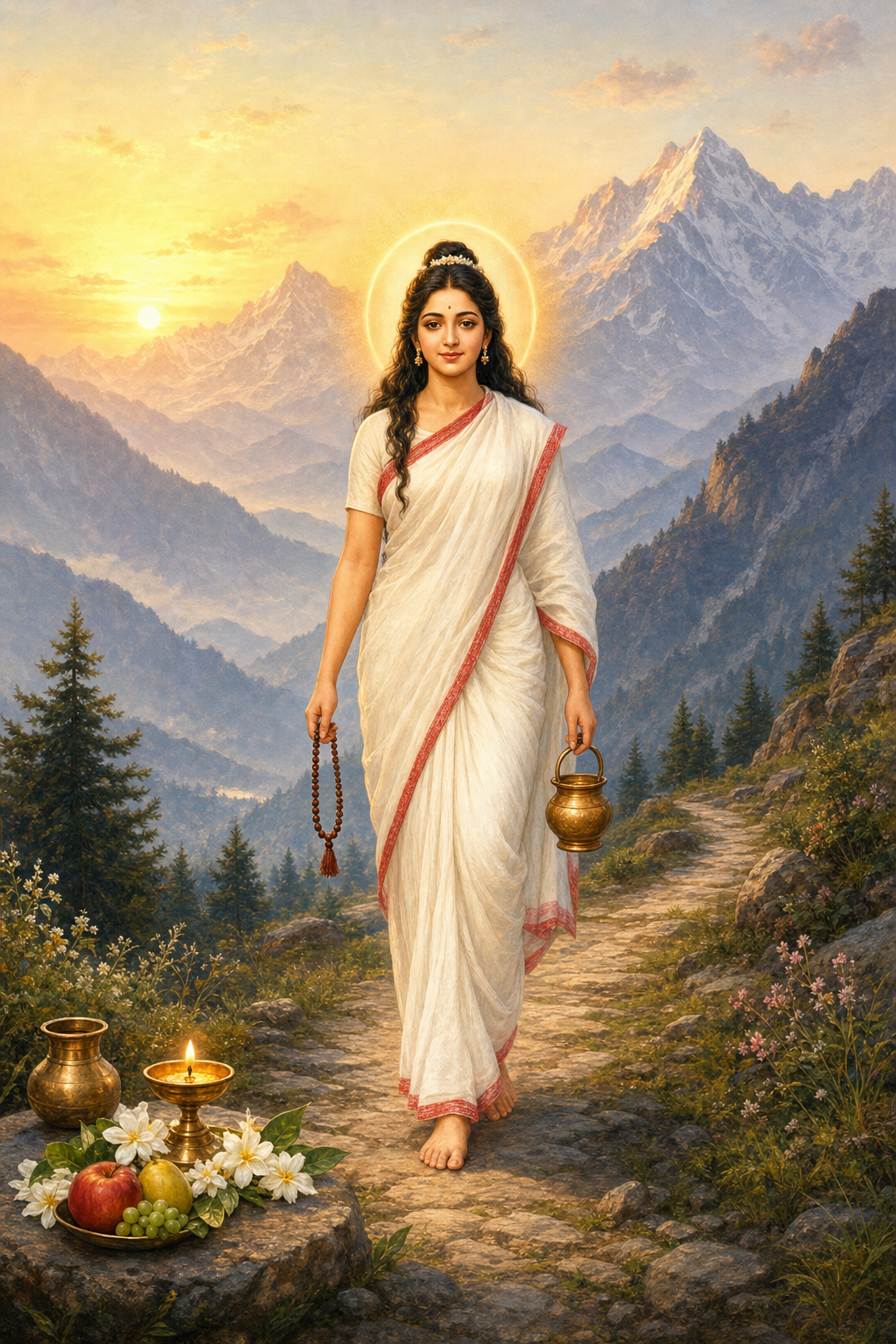
Navratri Day 2 (20 March 2026): 10 Transformative Rituals to Honor Brahmacharini

Navratri Day 2 on 20 March 2026 honors Brahmacharini, the ascetic form of Devi who embodies tapas, devotion, and disciplined compassion. This guide details step-by-step Shodashopachara Puja, practical vrat guidelines, core mantras (including Om Devi Brahmacharinyai Namah), and focused dhyana and pranayama for steadiness. It explains auspicious timing using Brahma Muhurta and Choghadiya, offers concise…
-
Navratri 2026 Day 2: Brahmacharini Puja, Preethi Dwitiya, and Dashain Rituals (20 Mar & 12 Oct)

This guide clarifies that the 2nd day of Navratri 2026 occurs twice—on 20 March (Chaitra Shukla Dwitiya) and 12 October (Ashwin Shukla Dwitiya). It explains why the day is dedicated to Brahmacharini, including color symbolism, appropriate offerings, and the disciplines associated with tapas. Regional observances such as Preethi Dwitiya, Sthana Vriddhi Gauri Vrata, and Sindhara…
-
Sindhara Dooj 2026 (Gauri Dwitiya): Auspicious Dates, Powerful Rituals, and Navratri Day 2 Meaning

Sindhara Dooj (Gauri Dwitiya) marks Navratri’s second day, uniting the ascetic focus of Maa Brahmācharini with the cultural celebration of sowbhāgya. In 2026, it falls on March 20 (Chaitra/Vasant Navratri) and October 12 (Ashwin/Sharad Navratri); the Dwitiya tithi at sunrise guides observance, with local panchang checks recommended for devotees abroad. The guide explains theological meaning,…
-
Navaratri Day 2, 20 March 2026: 10 Powerful Brahmacharini Puja Steps, Mantras, and Fasting Tips

The second day of Chaitra Navaratri on 20 March 2026 honors Brahmacharini, the Navadurga form of tapas and steadfast devotion. This guide details a complete Brahmacharini Puja Vidhi with Panchopachara steps, core mantras, and a simple home sequence that balances accuracy and accessibility. It outlines mindful fasting rules, sattvic bhog options like mishri and milk-based…
-
Chaitra Navratri 2026 Begins 19 March: Dates, Puja Vidhi, Muhurat, and Dharmic Significance

Chaitra Navratri 2026 begins on 19 March and concludes on 27 March, aligning with Shukla Paksha Pratipada in the lunar month of Chaitra. This guide explains dates, puja vidhi, and practical muhurat principles for Ghatasthapana, along with day-wise observances of the Navadurga. It highlights the significance of Durga Ashtami, Sandhi Puja, Kanya Puja, and the…
-
Goddess Parvati’s Transformation into Shakti: From Himalayan Maiden to Universal Mother

This article presents an academic yet accessible account of Goddess Parvati’s transformation from a Himalayan princess into Shakti, the Universal Mother. It traces her origins as Shailaputri, examines her disciplined tapas as Brahmācharini, and explains how her union with Shiva symbolizes cosmic balance. Readers gain a clear understanding of how devotion, self-mastery, and ethical living…
-
Navaratri and it’s broad spectrum dharmic influence

According to our ancient Sanatani scriptures which are the Saptasudhi, the theory of the Navratri festival has been described. We are normally aware of two types of Navratri that are Chaitra Navratri and Shardiya Navratri. But, you will be amazed to hear that Navratri falls four times in a year.