Bhakti and Swachchatha are inseparable in the Hindu way of life: sincere devotion naturally matures into inner purity and disciplined living. Sages and saints across the ages have offered multiple methods to nurture devotiontemple worship, ritual offerings, meditation, chanting of divine names, and respectful trust in the guidance of spiritual leaders. Each path is validated within dharma, allowing seekers to choose practices aligned with individual temperament while journeying toward the shared goal of purity in thought, word, and action.
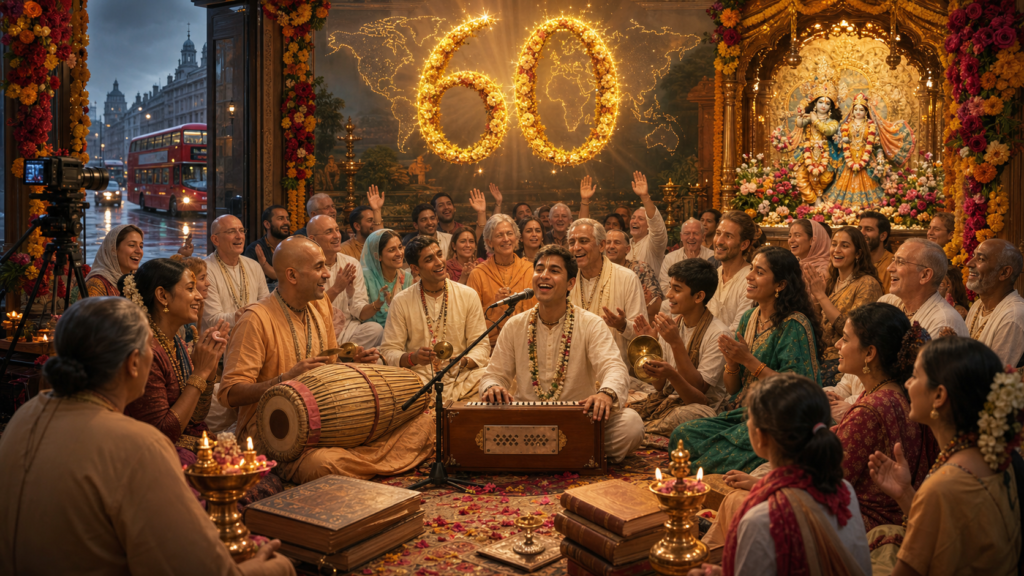
A spectrum of spiritual practices supports this cultivation of devotion. Temple visits (mandir-seva), offering worship (puja), meditation (dhyana), and chanting (nama-japa) create rhythm, focus, and reverence in daily life. Reposing confidence in the words of spiritual leaders (guru-shraddha), honoring them, and abiding by their counsel adds ethical direction and stability. Though methods vary, the underlying movement is the same: devotion deepens, and Swachchathainner and outer cleanlinessunfolds.
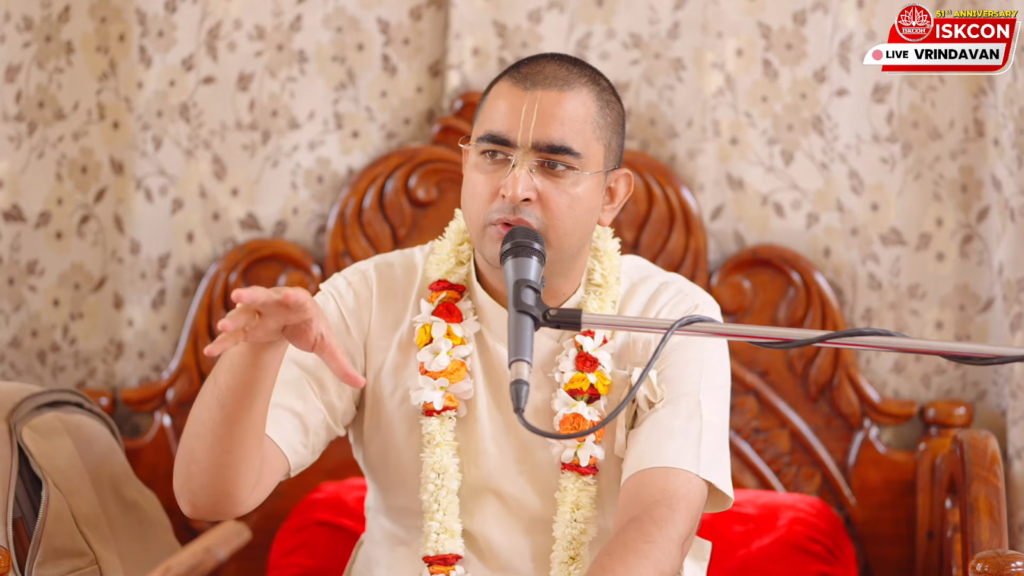
This acceptance of many valid paths is mirrored across dharmic traditions. In Hindu spirituality, puja, japa, and kirtan elevate bhakti; in Buddhism, mindfulness and loving-kindness refine awareness; in Jainism, pratikraman and Ahimsa purify intention; in Sikhism, simran and seva harmonize remembrance with service. Such unity in spiritual diversity demonstrates a shared civilizational ethic: devotion, practiced sincerely in any authentic form, purifies consciousness and strengthens communal harmony.
The inner mechanics of this purification are well attested in Yoga and dharmic psychology. Through niyama and steady practice, attention becomes one-pointed, the senses (indriyas) are gently disciplined, and the mind’s turbulence is reduced. As sattva rises and rajas-tamas recede, clarity, compassion, and responsibility become natural responses. In this way, devotion is not merely emotional fervor; it is a structured path to ethical refinement and stable well-being.
Practical routines help translate devotion into daily life. Choosing one primary streambe it chanting, meditation techniques, or temple worshipand practicing it at a consistent time fosters depth over variety. A simple morning cycle of short japa, a few minutes of dhyana, mindful tidying of one’s space, and an act of quiet service anchors Swachchatha as both inner purity and outward order. Even brief, sincere practice sustained over time yields lasting transformation.
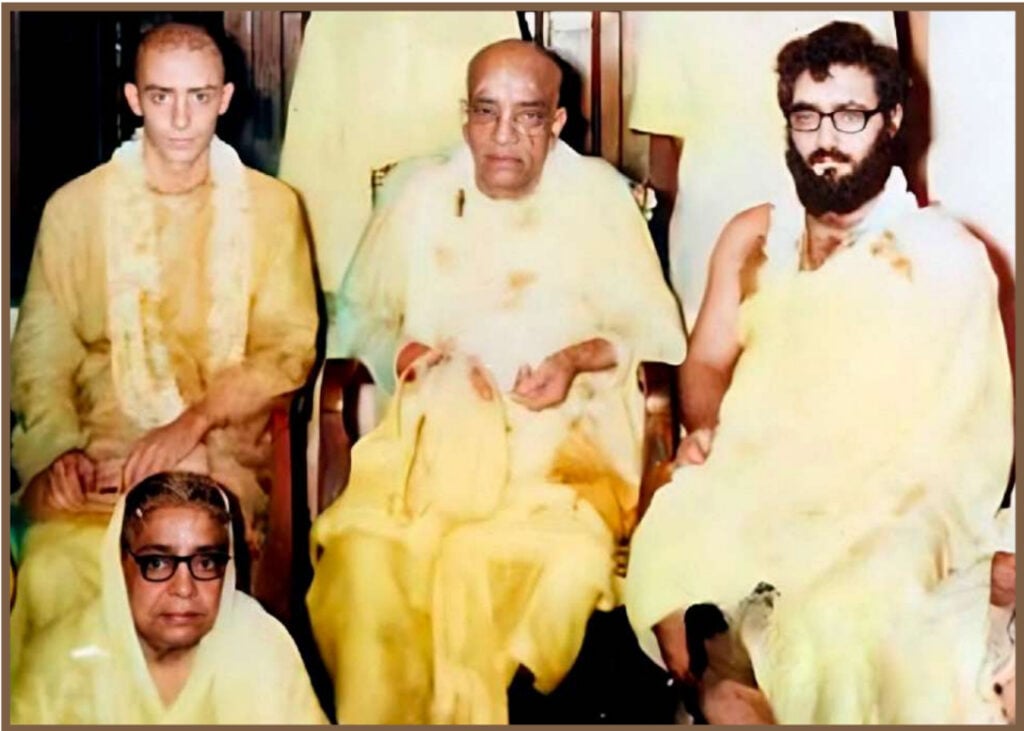
Guidance plays a supportive role. A genuine guru offers clarity rooted in lived integrity and compassion, helping seekers avoid confusion and excess self-critique. Honoring such wisdom and following practical counsel turns devotion into disciplined progress. This relationship is not about dependency but about cultivating discernment, humility, and steadfastness.
As devotion matures, its signs appear plainly: emotional balance, ethical consistency, and a felt sense of cleanliness in intention and behavior. Swachchatha is then evident not only in personal routines but also in honesty, non-harm, and reliability within families and communities. The outcome is a life marked by serenity, service, and quiet strengthqualities that uplift social cohesion and nurture a culture of care.
Bhakti, therefore, is a gentle yet exacting discipline whose fruit is purity. Whether through chanting, meditation, worship, or guided counsel, the dharmic message is clear: choose a sincere practice, persevere with humility, and allow devotion to polish the mind. In honoring diverse methods across Hinduism, Buddhism, Jainism, and Sikhism, devotion becomes a bridgeuniting hearts, refining conduct, and revealing the calm luminosity of a life lived in Swachchatha.
Inspired by this post on Hindu Pad.