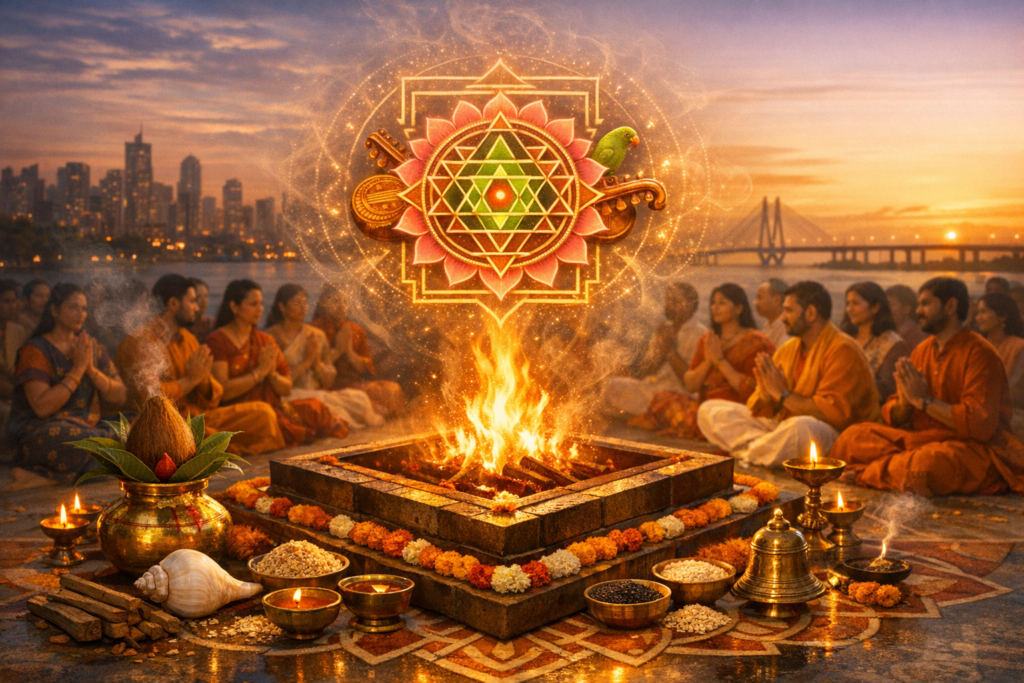
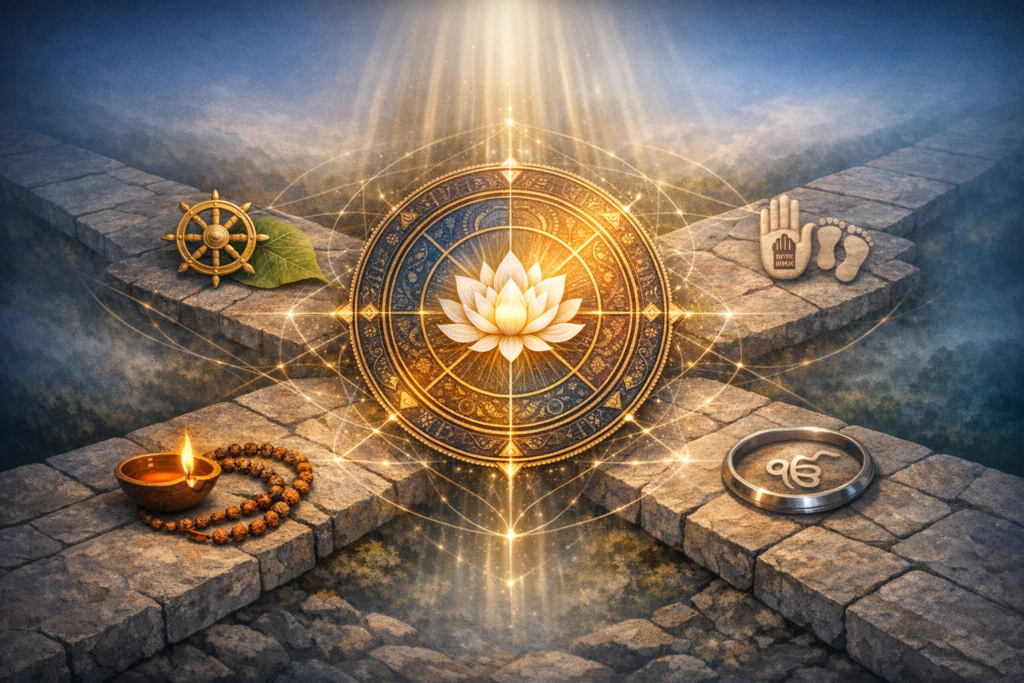
Ganesha, also known as Vinayaka, Vighneshwara, and Ganapati, stands at the heart of Hindu devotion as the remover of obstacles and the guardian of auspicious beginnings. Across homes, temples, and public spaces, the presence of Ganesha signals clarity, courage, and compassionate wisdom. The reverence is not limited to India; diaspora communities and global admirers have established temples and cultural practices abroad, reflecting a living legacy that unites diverse seekers. These eighteen research-backed insights present a comprehensive, academically grounded view that honors Hindu tradition while highlighting shared dharmic values recognized across Hinduism, Buddhism, Jainism, and Sikhism.
Fact 1 — First Invoked (Prathama Pujya): In ritual theory and practice, Ganesha is customarily invoked first before any major puja, yajna, journey, or undertaking. This role as Prathama Vandana or Prathama Pujya emerges from the understanding that clarity of intention and removal of obstacles are prerequisites for right action. Textual traditions such as the Ganapati Atharvashirsha Upanishad, along with Puranic literature, fix this precedence firmly within Hindu liturgy.
Fact 2 — Names and Etymology: The names Ganesha (lord of the ganas), Ganapati (chief of groups), and Vinayaka (remover of impediments) each encode theological functions. Vighneshwara denotes mastery over vighnas (obstacles). Regional names such as Pillaiyar in Tamil traditions signal deep cultural embedding, while epithets like Ekadanta (single-tusked) and Lambodara (large-bellied) carry symbolic and philosophical meaning discussed in Shilpa Shastra and Puranic narratives.
Fact 3 — Scriptural Horizons: The devotional and philosophical presence of Ganesha spans the Ganapati Atharvashirsha, Ganesha Purana, and Mudgala Purana. A celebrated narrative positions Ganesha as the scribe of the Mahabharata, writing the epic as Veda Vyasa dictated with the condition that he would not pause unless he fully understood each verse, thereby encoding intellectual rigor at the birth of the tradition’s most extensive itihasa.
Fact 4 — Iconography of the Elephant Head: The elephant head, large ears, and curved trunk form a contemplative grammar of symbolism. The head signifies expansive intelligence and steady memory; the ears imply the primacy of listening in learning; the trunk’s adaptive strength represents practical wisdom. Many traditions also read the trunk’s curve as an echo of the sacred syllable ‘Om’, situating Ganesha at the very threshold of mantra and metaphysics.
Fact 5 — Ekadanta (The Broken Tusk): The single tusk embodies disciplined sacrifice and the capacity to transform limitation into insight. Puranic accounts variously narrate the broken tusk as a self-offering for the writing of the Mahabharata, or as a divine weapon. Either way, Ekadanta becomes shorthand for resilience, creative resolve, and the subordination of ego to dharma.
Fact 6 — Emblems and Attributes: Ganesha is commonly depicted with a paasha (noose) and an ankusha (goad), signifying the power to restrain harmful impulses and to guide the mind forward. The modaka (sweet) in his hand signifies inner bliss (ananda) realized through sadhana. Additional items such as the parashu (axe) or a lotus appear in different sampradayas, testifying to a rich iconographic vocabulary attuned to regional aesthetics and philosophical emphases.
Fact 7 — Mushika (The Mouse) as Vahana: The mouse symbolizes restless, darting desire and the mind’s subtle movements. By riding Mushika, Ganesha communicates mastery over distraction and the ability to reach the subtlest recesses of consciousness. The vahana imagery thus teaches that true leadership of the self begins with taming the minute and the mundane.
Fact 8 — Modaka and The Taste of Wisdom: The modaka, often offered as naivedya, symbolizes the sweet fruit of knowledge, humility, and well-performed duty. In many traditions, the spherical form evokes wholeness, while the filling suggests the hidden joy discovered through tapas and sustained effort. As prasada, it also underscores the gift-relationship between devotee and deity.
Fact 9 — Durva Grass Significance: Durva (Bermuda grass) is central to Ganesha worship, often offered in counts of twenty-one blades. A popular narrative recounts that when Ganesha consumed the fiery demon Analasura, the cooling property of durva soothed him. Devotionally and ritually, durva thus represents pacification, balance, and a grounded mind that can host auspicious action.
Fact 10 — Siddhi and Buddhi (And Riddhi): In many traditions, Ganesha is associated with consorts personifying faculties such as Siddhi (accomplishment) and Buddhi (wisdom), often joined by Riddhi (prosperity). The triad frames success not as accident but as an outcome of cultivated intellect, ethical intention, and sustained effort aligned with dharma.
Fact 11 — Eight Incarnations in Mudgala Purana: The Mudgala Purana describes eight incarnations of Ganesha—Vakratunda, Ekadanta, Mahodara, Gajavaktra, Lambodara, Vikata, Vighnaraja, and Dhumravarna—each overcoming a distinct class of impediment. These narratives encode a taxonomy of obstacles and prescribe contemplative antidotes, mapping spiritual psychology onto mythic form.
Fact 12 — Thirty-Two Forms in Shilpa Traditions: Beyond the eight incarnations, Shilpa and Agama traditions enumerate thirty-two iconic forms, each with precise gestures (mudras), emblems (ayudhas), and aesthetic rules (lakshanas). This plurality legitimizes diverse devotional temperaments while preserving canonical standards for temple consecration and image-making.
Fact 13 — Ashtavinayaka Pilgrimage: The renowned Ashtavinayaka circuit in Maharashtra weaves together eight ancient Ganesha temples into a single soteriological journey. Pilgrims testify that moving through the circuit reenacts a layered meditation—invocation, purification, insight, and gratitude—making geography a lived theology of grace and effort.
Fact 14 — Ganesh Chaturthi and Community Ethos: Ganesh Chaturthi, often called Ganeshotsav, celebrates the birth of Ganesha and has evolved into a major community festival since the public initiatives associated with Lokmanya Tilak. The festival fosters cultural education, seva, and social cohesion, and recent eco-conscious practices emphasize clay idols and sustainable immersion, uniting devotion with environmental ethics.
Fact 15 — Masik Sankashti (Sankatahara) Chaturthi: The monthly observance on Krishna Paksha Chaturthi is dedicated to relief from difficulties. Many regions follow moonrise timings for vrata completion, and Angaraki Sankashti (when it falls on a Tuesday) is considered especially potent. The discipline of this recurring vrata aligns personal rhythm with cosmic cadence.
Fact 16 — Mantras and Texts: Widely recited mantras include the bija-led ‘Om Gam Ganapataye Namaha’, signifying invocation of Ganesha’s guiding intelligence. The Ganapati Atharvashirsha explores non-dual insight through the form of Ganesha, while stotras such as the Ganesha Pancharatnam (traditionally ascribed to Adi Shankaracharya) offer poetic syntheses of theology, devotion, and ethics.
Fact 17 — Regional and Global Presence: From the ubiquitous Pillaiyar shrines in Tamil Nadu to Nepal’s medieval bronzes and Indonesia’s temple sculptures, Ganesha traverses languages and aesthetics. In Thailand, Phra Phikanet reflects cultural translation of Ganapati’s auspicious role. Globally, temples in North America, Europe, Africa, and Oceania witness daily puja, children’s classes, and community seva that keep the tradition vibrant and rooted.
Fact 18 — Dharmic Unity in Values and Vision: While practices differ across dharmic traditions, a shared ethic unites them—wisdom, humility, compassion, and service (seva). In Buddhist contexts, forms such as Maha Rakta Ganapati appear in tantric literature; in Jain art, Ganesha imagery occurs in certain medieval temples and manuscripts; in Sikh thought, the emphasis on inner discipline and community service resonates with the ethos of obstacle-removal and righteous action. The figure of Ganesha thus becomes a bridge for unity in spiritual diversity rather than a boundary.
Toward Daily Practice and Living Legacy: For many households, daily puja to Vinayaka—offering flowers, a lamp, durva, and a simple prayer—anchors intention and steadies the mind. Whether beginning a study session, launching an enterprise, or resolving conflict, invoking Ganesha frames action in clarity and care. In that sense, the global spread of temples and the steady rhythm of Masik Vinayak Chaturthi signal not only devotion but also an applied philosophy: obstacles are not endpoints; they are opportunities for insight, resilience, and shared uplift.
Inspired by this post on Hindu Pad.