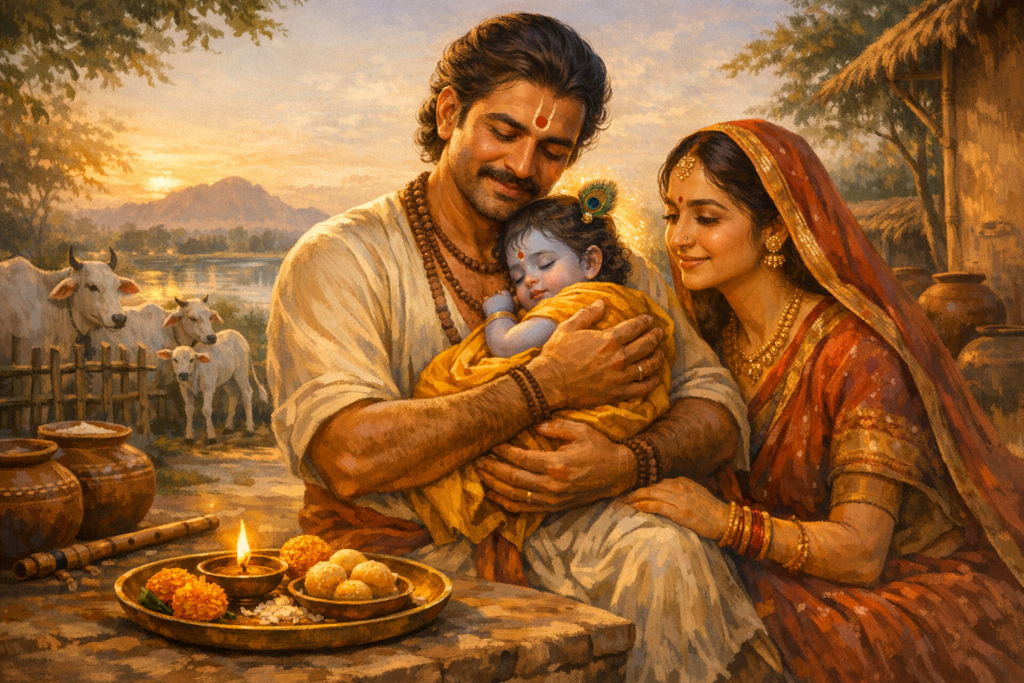
Sri Veerabrahmendra Swami Jayanti 2026 falls on 26 April 2026, commemorating the birth anniversary of Pothuluri Veerabrahmendra Swami, lovingly known as Brahmamgaru and revered as Kalagnani in the Telugu heartland. The observance honors a saint whose life and teachings continue to shape devotional practice and social ethics in Andhra Pradesh and beyond.
At Sri Veerabrahmendra Swami Matham in Kandimallayapalle (Brahmamgari Matham), YSR Kadapa district, Andhra Pradesh, the Jayanti Utsavalu are celebrated with pronounced devotional intensity, drawing pilgrims, scholars, and local communities from across the region. The Matham’s annual schedule anchors the day’s rites, fostering an orderly and contemplative darshan experience.
Pothuluri Veerabrahmendra Swami is remembered as a 17th century saint and teacher whose message fused bhakti, ethical conduct, and a steadfast commitment to loka-sangraha, the welfare of society. While precise historical dates remain part of regional memory rather than epigraphic record, the continuity of worship at Brahmamgari Matham and the living oral tradition attest to his enduring influence.
The appellation Kalagnani connects Veerabrahmendra Swami to the Kalagnanam corpus, a body of prophecies transmitted through disciples and compiled in multiple recensions. The tradition emphasizes moral clarity, social responsibility, and devotion rather than fatalism; accordingly, contemporary practitioners approach Kalagnanam as a call to conscious living in alignment with dharma.
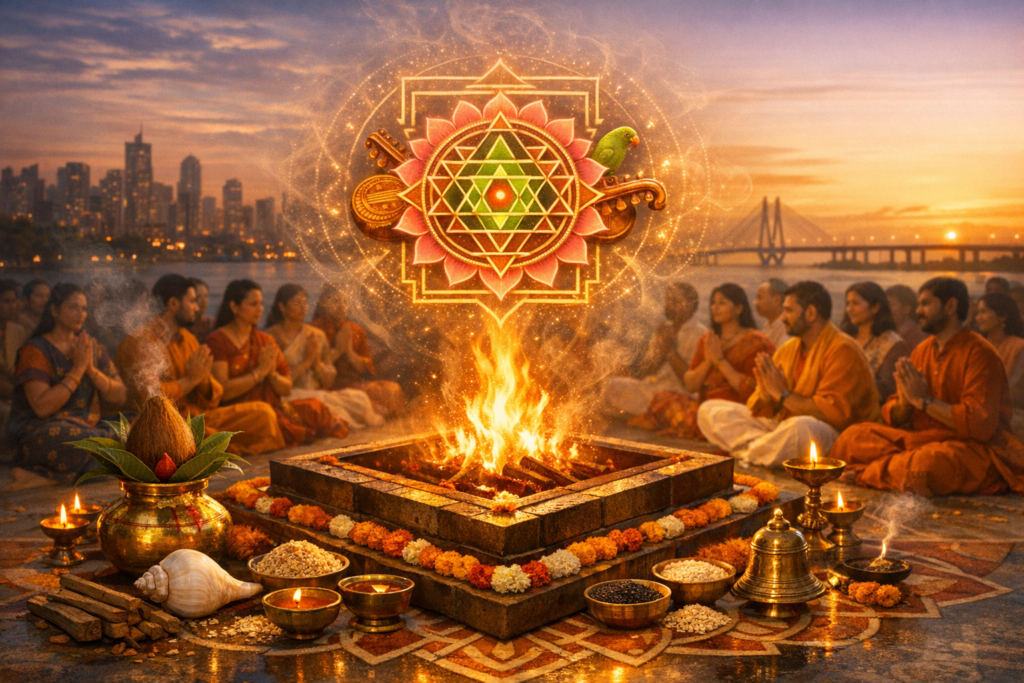
On Jayanti day, temple observances commonly include suprabhata seva at dawn, Veda parayana, abhishekam, special alankaram, archana and deepa harati, followed by pravachanam on the life and teachings of Brahmamgaru and parayana of selected Kalagnanam passages. The day typically culminates in community annadanam, which many devotees view as integral to the Swami’s emphasis on compassion in action.
The devotional atmosphere at Kandimallayapalle is often marked by congregational bhajans, quiet japa, and reflective silence around the samadhi precincts. Pilgrims frequently describe a palpable stillness during the first harati and a sense of shared kinship as families, elders, and children participate together in the Jayanti Utsavalu.
For those observing at home, a simple puja with a lit lamp, recitation of the Swami’s names, study of a reliable recension of Kalagnanam, and a resolve to undertake seva or annadanam in the neighborhood are considered meaningful. Many households also incorporate mantra japa such as Om Namah Shivaya or Om Namo Narayanaya according to individual Ishta, reflecting the inclusive fabric of Sanatana Dharma.
The 2026 observance on 26 April follows the regional Telugu Panchangam and the annual schedule of Sri Veerabrahmendra Swami Matham. Local temple notices ordinarily announce specific timings for abhishekam, harati, and annadanam, and visitors are advised to follow the Matham’s guidance for darshan flow and volunteer registration.
Kandimallayapalle, identified on maps as Brahmamgari Matham, is accessible by road from Kadapa, Proddatur, and Badvel in the YSR Kadapa district. Kadapa railway connectivity serves many travelers, while Kadapa airport offers limited services; numerous pilgrims opt for Tirupati as the nearest major airport before proceeding by road.
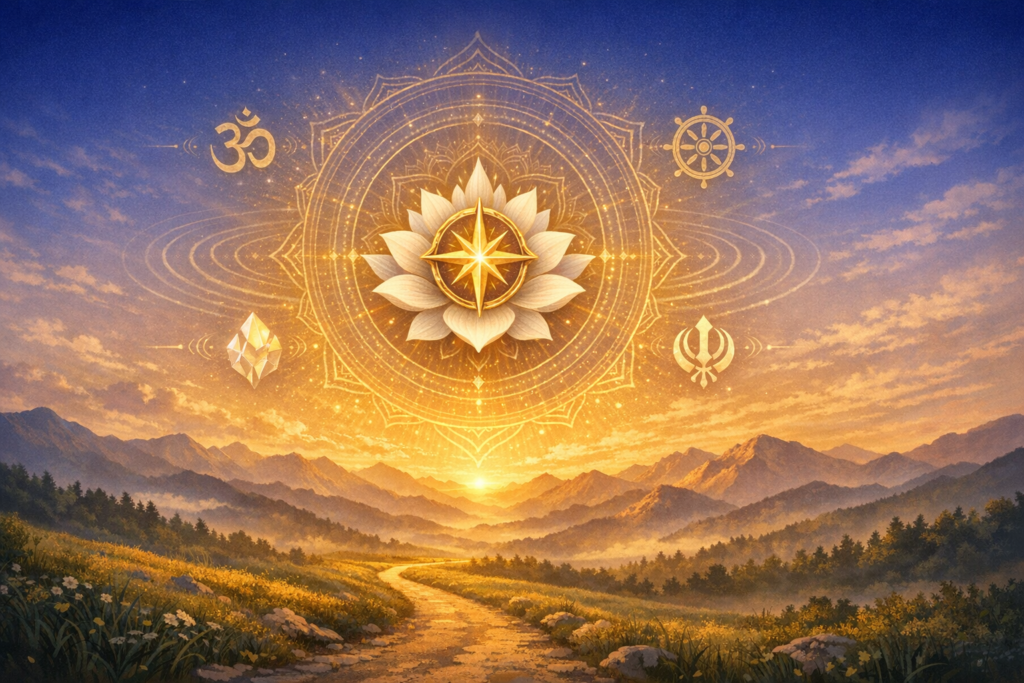
The Jayanti foregrounds an ethics of shared service that resonates across dharmic traditions. Annadanam at the Matham mirrors the spirit of langar in Sikhism, dana in Buddhism, and the Jain commitment to ahimsa and compassionate giving, underscoring a civilizational emphasis on dignity, inclusion, and mutual care.
Culturally, the festival nurtures living heritage in Andhra Pradesh through Harikatha, kirtana, and oral retellings that pass memory from elders to youth. Such practices sustain community identity while remaining open to seekers from diverse backgrounds who are drawn to Brahmamgaru’s message of devotion joined to responsibility.
As with any prophetic literature, careful hermeneutics matter. Teachers at the Matham encourage a sober, textually grounded reading of Kalagnanam that avoids sensationalism, situating the work within the broader dharmic pursuit of satya, dharma, and karuna in everyday life.
In practical terms, visitors can support an environmentally mindful celebration by using reusable containers for prasadam, conserving water during ablutions, and respecting local guidelines around crowd movement and quietude near the samadhi areas. Such small disciplines express the inner refinement that Veerabrahmendra Swami extolled.
Sri Veerabrahmendra Swami Jayanti 2026 thus becomes more than a commemorative date; it is a lived invitation to deepen devotion, serve society, and participate in a shared dharmic ethos that bridges Hindu, Buddhist, Jain, and Sikh communities in a spirit of harmony.
Inspired by this post on Hindu Pad.