The Divine Feminine Manifested: Vaishnavi’s Creation of Devipura and the Sacred Maidens
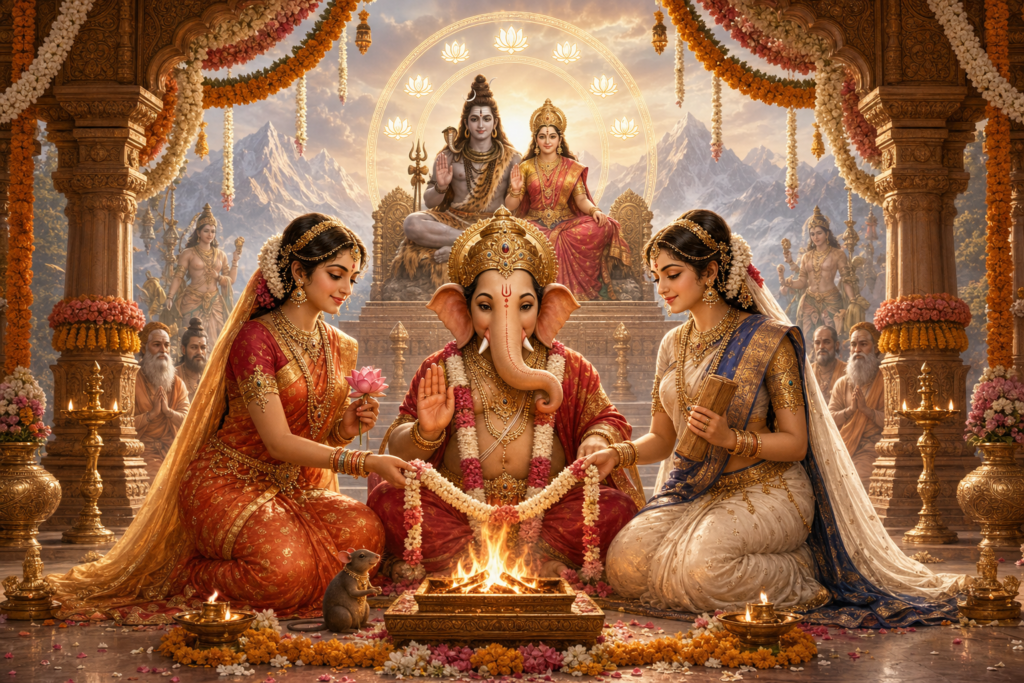
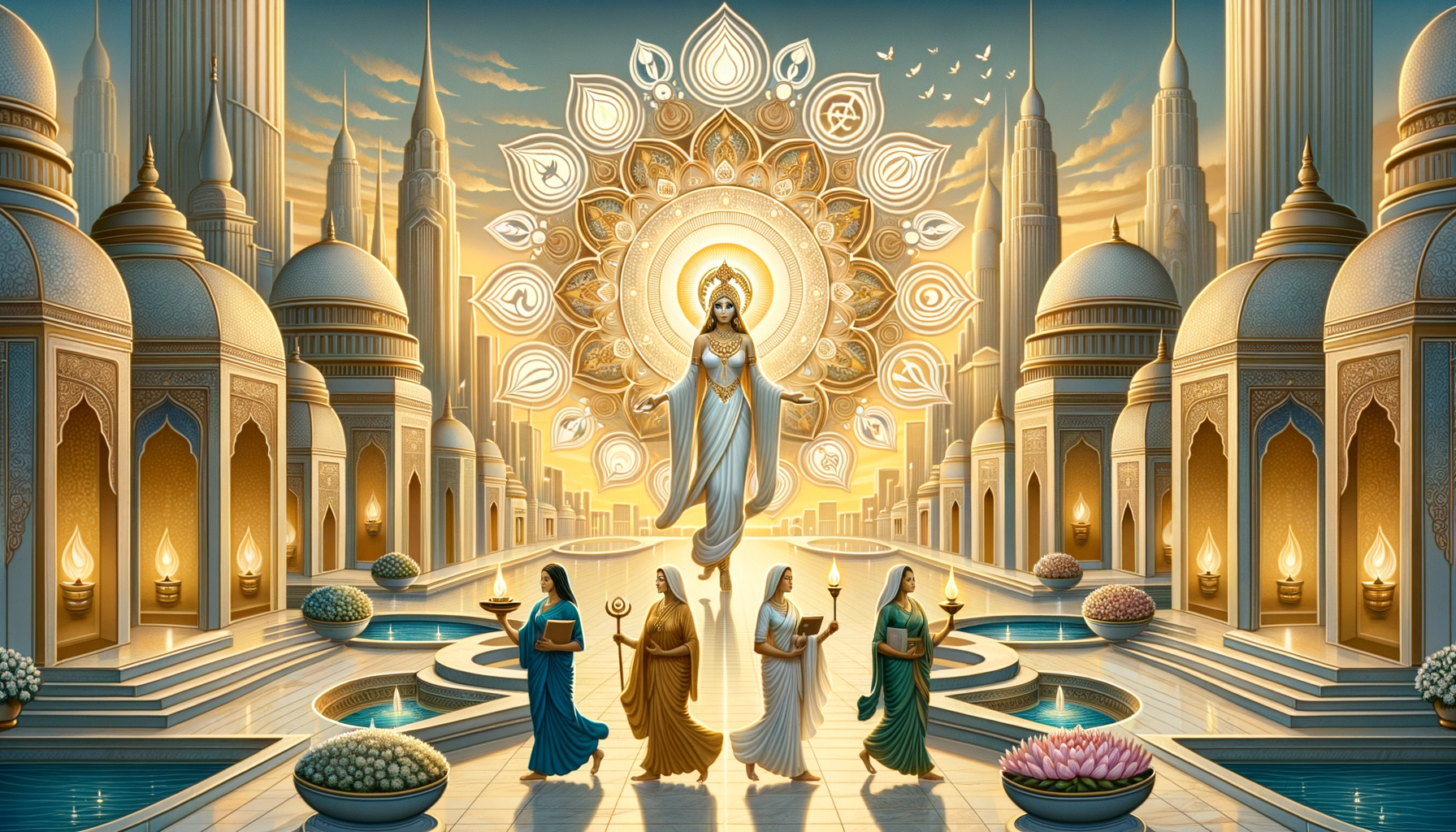
The ninety-second chapter of the Varaha Purana presents a striking meditation on creative power through the figure of Vaishnavi, the shakti of Vishnu. In this sacred narrative, the goddess manifests Devipuraa divine city of womenand brings forth sacred maidens who embody the protective, nurturing, and wise dimensions of Dharma. Read as scripture, history of ideas, and spiritual allegory, the episode situates the Divine Feminine at the heart of cosmic order while remaining fully aligned with the inclusive ethos of the dharmic traditions.
As Vaishnavi shapes Devipura, the text frames creation not as conquest but as consecration. The city functions as sacred geography, a space where virtues and vows, tapas and ananda, are harmonized. The sacred maidens, in turn, can be understood as personifications of qualities essential to spiritual lifeśraddhā, daya, jñāna, and kshatrasignaling that ethical excellence and inner strength are inseparable in the path of Dharma.
Viewed thematically, Devipura marks a movement from penance to paradise: austerity (tapas) ripens into flourishing (ananda) when guided by Devi Shakti. The narrative suggests that spiritual maturation unfolds as disciplined lovean energy that orders community, uplifts the vulnerable, and safeguards truth. In this way, the city of women is neither a retreat from the world nor a utopian fantasy; it is a vision of societal harmony grounded in wisdom and responsibility.
Within the broader Puranic tradition, Vaishnavi’s act also illuminates the unity across dharmic paths. The reverence for Shakti resonates with Buddhist celebrations of Prajñāpāramitā and Tārā as compassion and insight in action, with Jaina traditions honoring yakṣiṇīs as guardians of spiritual resolve, and with Sikh scriptural respect for the dignity and creative agency of women. These convergences affirm a shared commitment to compassion, courage, and truthdiverse in expression yet unified in purpose.
For readers and practitioners, Devipura invites contemplative engagement as well as ethical reflection. Meditative visualization of a “city of virtues” can support dhyāna; japa on names of Devi cultivates steadiness of mind; and seva makes the inner city visible in society through care, education, and protection. Such practices bridge text and life, turning scriptural insight into lived wisdom.
The narrative’s social implications are equally clear. A sacred city of women symbolizes autonomy, safety, and leadership rooted in Dharma. Honoring women as bearers of knowledge and guardians of community is not a modern addendum to the text but continuous with its central claim: that the world flourishes when Shakti is recognized, respected, and responsibly supported.
Literarily, the Varaha Purana situates Vaishnavi within a constellation of Devi forms that make the unseen scaffolding of harmony visible. Historically, it preserves a memory of how communities imagined justice and belonging through the lens of sacred story. Spiritually, it affirms that the Divine Feminine is not an exception to orthodoxy but a source of orthopraxyright living through balanced strength and compassion.
Ultimately, the chapter’s enduring value lies in its capacity to unify. By reading Vaishnavi’s Devipura alongside Hindu, Buddhist, Jaina, and Sikh insights, the story becomes a shared mirror: many paths, one commitment to upliftment. When Devipura is understood as a city to be built within consciousness and community alike, the sacred maidens cease to be distant figures and become the virtues that every seeker can nurturepatiently, humbly, and joyfully.
Inspired by this post on Hindu Blog.