Tag: worship

  • Timeless Deity Worship in the Vedic Tradition: Yuga‑Wise Paths and Dharmic Unity

    Timeless Deity Worship in the Vedic Tradition: Yuga‑Wise Paths and Dharmic Unity

    This article clarifies a common misconception: Deity worship (murti-puja) in the Vedic Tradition is not a recent innovation but part of an ancient, continuous heritage. It explains how each yuga recommends distinctive practicesmeditation in Satya-yuga, yajna in Treta-yuga, Deity worship in Dvapara-yugawhile showing that these disciplines persist across ages. For Kali-yuga, it highlights why mantra…

  • When Nature Turns Fierce, Worship Unites: A Steady, Compassionate Path to Resilience

    When Nature Turns Fierce, Worship Unites: A Steady, Compassionate Path to Resilience

    Natural disasters disrupt lives, strain resources, and test collective resolve. Worship, understood across dharmic traditions as prayer, meditation, and compassionate service, provides emotional steadiness and social cohesion when crises unfold. Shared practicesbhajans, kirtan, langar, mettā meditation, and Pratikramancreate safe spaces for grief, gratitude, and coordination. When integrated with preparedness measures such as drills, first-aid training,…

  • Why Worship Is Never a Waste: Enduring Protection, Inner Strength, and Dharmic Unity

    Why Worship Is Never a Waste: Enduring Protection, Inner Strength, and Dharmic Unity

    Worship is never a waste because it builds resilient minds, compassionate hearts, and ethical action. Across Hinduism, Buddhism, Jainism, and Sikhism, disciplined devotion and meditation act as a protective shield by stabilizing attention and reinforcing purpose. This protection is not magical; it is psychological, moral, and communal. Unity in spiritual diversity allows many valid pathsbhakti,…

  • Bhakti and the Worship of Form: Why Murti-Puja Guides the Mind Toward the Infinite

    Bhakti and the Worship of Form: Why Murti-Puja Guides the Mind Toward the Infinite

    Bhakti embraces worship of form because the universe is seen as emerging from the Supreme Being, making contemplation of Bhagavan accessible. Since human cognition relies on imagery, murti-puja provides a practical bridge from form to the formless. As a symbolic focus, a murti does not limit the Infinite; it points beyond itself while cultivating one-pointedness…

  • The Worship of Shiva Linga in Sanatan Dharma

    The Worship of Shiva Linga in Sanatan Dharma

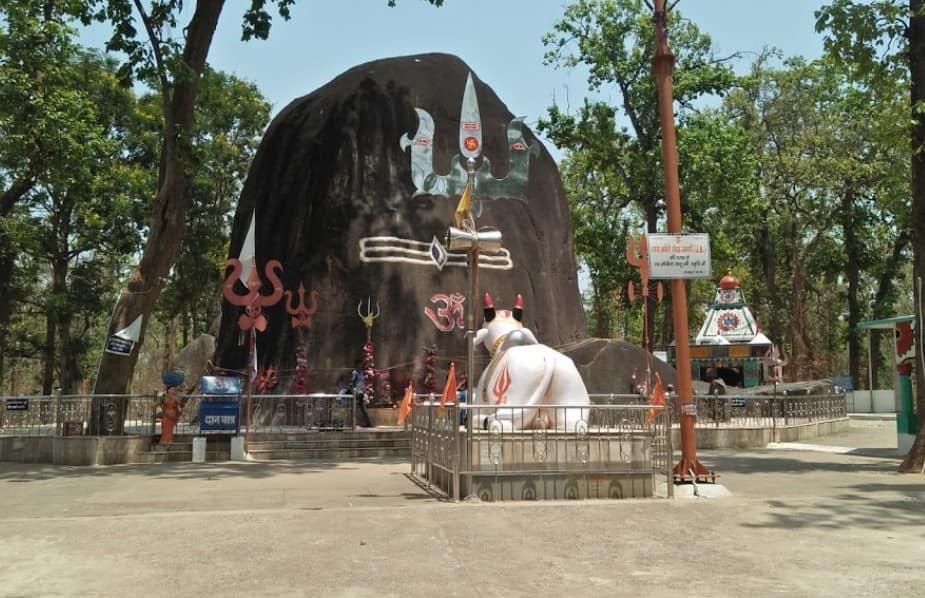
    Shiva Linga worship is a practice that has been a part of Hinduism for centuries, and yet it remains a controversial and often misunderstood aspect of the religion. At the heart of this controversy is the idea that the Shiva Linga, a symbol of Lord Shiva, represents the male reproductive organ, and that its worship…