Srimad Bhagavatam 3.21.32 presents a concise yet profound theology of the Lord’s manifestations, affirming that the Supreme is one and yet appears as many. The text distinguishes two modes of expansionkalā and vibhinnāṁśaclarifying that ordinary living entities are vibhinnāṁśa expansions, while the unlimited manifestations within viṣṇu-tattva, such as Vāmana, Govinda, Nārāyaṇa, Pradyumna, Vāsudeva, and Ananta, are svāṁśa-kalā.
In this framework, vibhinnāṁśa refers to the separated, individuated living beings (jīvas), who are dependent and finite, whereas svāṁśa describes plenary portions of the Supreme that remain fully divine. The term kalā further indicates specific features or partial functions expressed by the Lord’s forms. Together, these categories maintain the transcendence of viṣṇu-tattva while explaining the diversity perceived in sacred history and devotional practice.
This ontology, central to Vedic philosophy, offers a coherent reading of unity-in-diversity: He is one, yet He has become many. By identifying the svāṁśa-kalā forms within viṣṇu-tattva and the vibhinnāṁśa nature of the jīvas, the text balances divine immanence and transcendence without diminishing either. It also provides a precise vocabularysvāṁśa, kalā, vibhinnāṁśa, and viṣṇu-tattvafor thoughtful study and contemplation.
In devotional life, these distinctions naturally deepen reverence for forms such as Govinda and Nārāyaṇa while fostering humility and responsibility among vibhinnāṁśa beings. Practitioners frequently note that such clarity strengthens bhakti, guides sādhanā, and inspires service (seva), translating metaphysical insight into compassionate conduct and ethical living.
Parallels across dharmic traditions underscore a shared commitment to unity through diversity. Hinduism, Buddhism, Jainism, and Sikhism all honor the possibility that a single ultimate truth appears through manifold forms, teachings, and lineages. This recognition encourages mutual respect, dialogue, and collaborative spiritual ethics, aligning with Sanatana Dharma’s inclusive vision.
Readers often report that reflecting on vibhinnāṁśa fosters empathy toward every being, while contemplating svāṁśa-kalā strengthens focused worship and meditation. In daily life, this outlook reframes relationships and responsibilities, nurturing peace, accountability, and a sense of sacred interconnectedness.
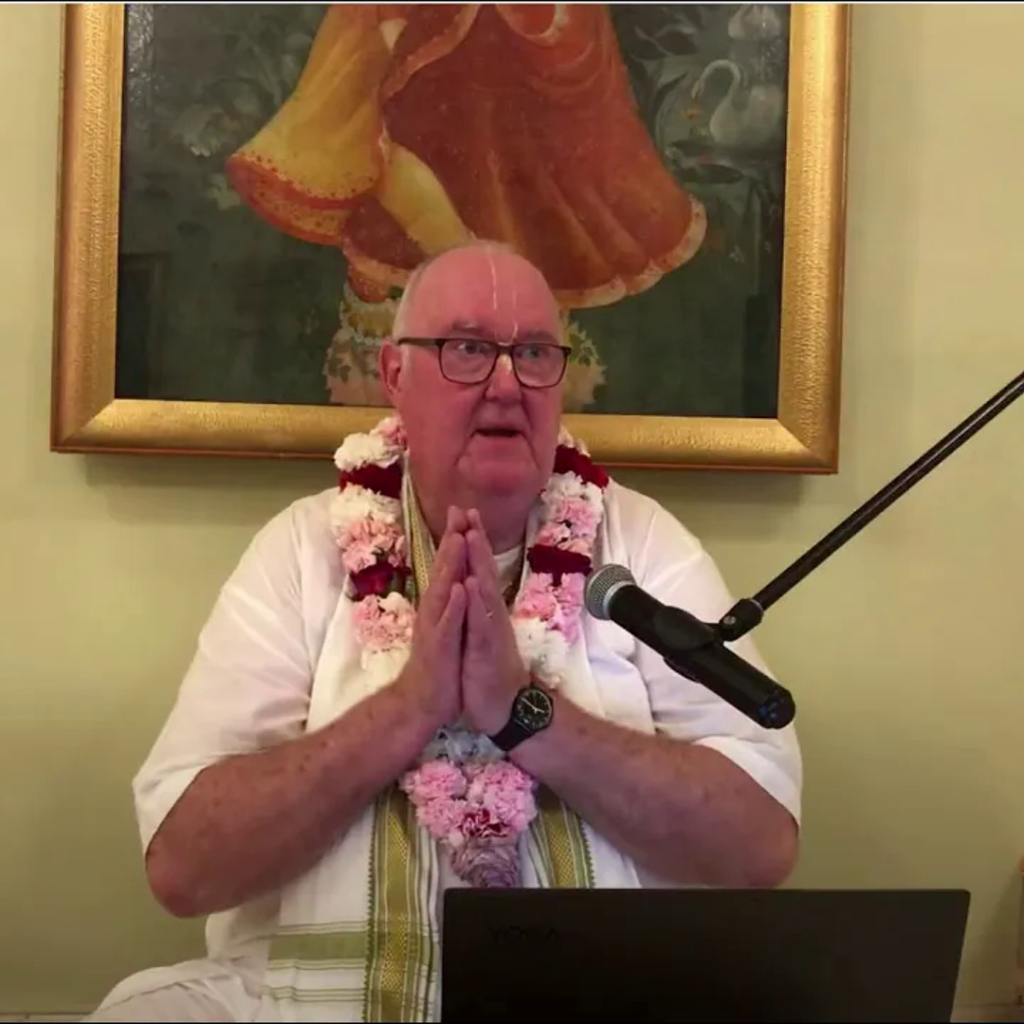
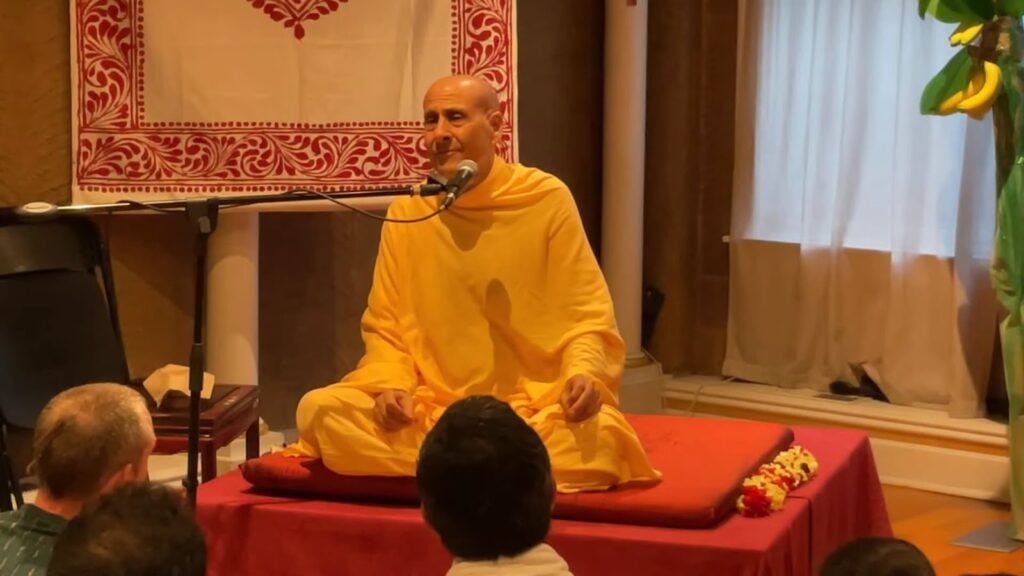
Insights shared in discourses at ISKCON Mayapur, including reflections attributed to H.G. Kavichandra Swami, draw attention to the precision of Srimad Bhagavatam 3.21.32 on these themes. Considered academically, such presentations illuminate how viṣṇu-tattva theology preserves the Lord’s full divinity across forms while situating the jīva’s path of devotion within a compassionate, orderly cosmos.
Ultimately, Srimad Bhagavatam 3.21.32 offers a lucid map of divine expansions that supports both rigorous study and lived spirituality. It strengthens unity within the dharmic family by affirming plurality without division, guiding seekers toward reverence, harmony, and purposeful service.
Inspired by this post on Dandavats.