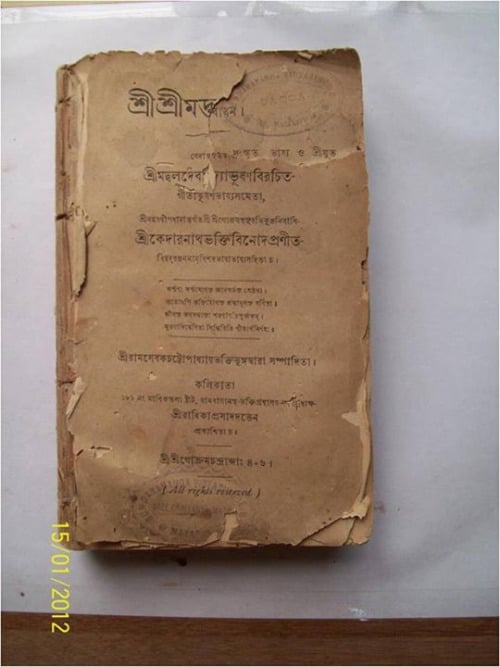
At Prayag, during a sacred yagya, the arrival of Sage Suta became the occasion for a profound inquiry into the spiritual core of the Shiva Maha Purana. The assembled sages, moved by devotion and scholarship, sought an exposition on its significance, affirming a longstanding belief that attentive listening to the Shiva Maha Purana can guide seekers toward Salvation (moksha).
This moment, preserved in the Puranic tradition, illustrates how the Puranas serve as bridges between narrative and philosophy, uniting bhakti (devotion), jñāna (knowledge), and dharma (right conduct). Within the broader corpus of Hindu scriptures, the Shiva Purana is revered for illuminating Shiva-tattva, the nature of cosmic rhythm, ethical living, sacred rites, and the transformative power of remembrance (smarana) and listening (śravaṇa).
The sages’ request at Prayag reflects a pedagogical ideal: collective listening as satsanga, in which community, scripture, and sacred geography converge. In this model, knowledge is not merely transmitted; it is received with humility and integrated through practicepilgrimage, vrata, meditation, and serviceforming a holistic path that nurtures inner clarity and compassionate action.
Read in an interdependent spirit, the values emphasized in the Shiva Maha Purananon-violence, compassion, truthfulness, self-discipline, and the pursuit of liberationresonate across the dharmic traditions of Hinduism, Buddhism, Jainism, and Sikhism. Such shared ethical ground strengthens unity while honoring the distinct practices and insights that each tradition contributes to the larger spiritual discourse.
Readers often find that engaging with the Shiva Maha Purana deepens reverence for sacred time and place, particularly at confluences like Prayag, where ritual and contemplation naturally meet. The text’s narratives invite reflective inquiry into life’s purpose, encouraging steady practice, ethical discernment, and a sustained remembrance of the Divine as pathways toward inner freedom.
In recalling the sages’ appeal to Sage Suta, the episode underscores a timeless conviction: when sacred knowledge is received in a spirit of devotion and disciplined attention, it can orient the mind toward moksha. This invitation remains open to all seekers, offering a unifying compass for contemporary spiritual life grounded in dharma, compassion, and wisdom.
Inspired by this post on Hindu Pad.