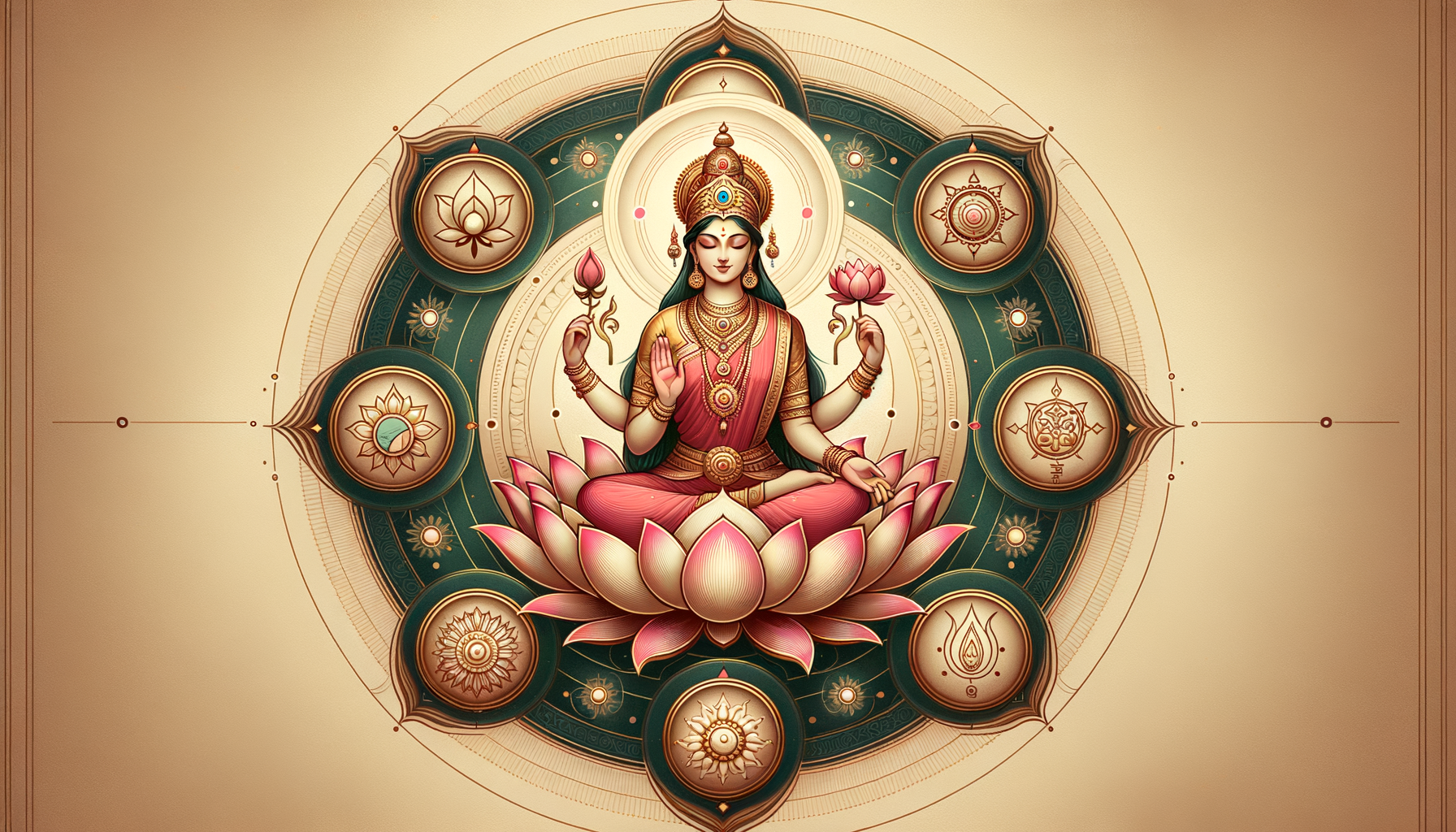
Within the vast spiritual tradition of Hinduism, Goddess Lakshmi is venerated as the radiant embodiment of prosperity, auspiciousness, and spiritual abundance. Beyond a singular form, many lineages describe Lakshmi as the source of nine interrelated powers that nurture both material well-being and inner fulfillment. Understanding these sacred manifestations supports a balanced life in which wealth aligns with dharma, compassion, and wisdomvalues cherished across dharmic traditions.
Classical texts and regional practices present varied enumerations of Lakshmi’s emanations. A widely referenced framework identifies the renowned Ashta Lakshmi (eight forms) and adds Aishwarya Lakshmi as a ninth, emphasizing holistic prosperity. This study offers a concise, academically grounded overview of these nine powers, recognizing legitimate diversity across Hindu scripture, temple traditions, and lived practice.
Ādi Lakshmi (Primordial Abundance) signifies the ground of being from which all auspiciousness flows. This power is experienced as inner contentment, gratitude, and a stable center that allows prosperity to be held wisely rather than anxiously pursued. In practice, it guides individuals to cultivate stillness, humility, and trust in the sacred order.
Dhana Lakshmi (Wealth and Resources) represents ethical prosperity and responsible stewardship. This power supports livelihoods, commerce, and generosity, calling for transparency, integrity, and dana (charitable giving). When embraced with discernment, financial growth becomes a means to serve family, community, and society.
Dhanya Lakshmi (Grain and Nourishment) invokes the blessings of food security, health, and well-being. Traditionally linked to agriculture and sustainable abundance, this power encourages reverence for the earth, gratitude for nourishment, and equitable distributionprinciples that resonate with contemporary concerns for sustainability and care for living beings.
Gaja Lakshmi (Majesty and Protection) radiates grace, dignity, and social harmony. Often depicted with elephants, this power symbolizes protection from adversity and the cultivation of stable institutions. It encourages individuals and communities to model respect, duty, and mutual support in the Hindu way of life.
Santana Lakshmi (Continuity and Family) bestows blessings on lineage, education, and the flourishing of future generations. This power affirms caregiving, mentorship, and the transmission of values. It honors the patient labor of raising children and nurturing communities through learning, culture, and shared responsibility.
Dhairya or Veera Lakshmi (Courage and Perseverance) embodies fortitude in the face of trials. This power inspires disciplined action, resilience, and ethical bravery, aligning achievement with dharma rather than mere ambition. It helps transform challenges into purposeful growth.
Vijaya Lakshmi (Victorious Fulfillment) celebrates success that accords with righteousness. Victory here is not domination but alignment with higher principles, where personal goals, social good, and spiritual aspiration converge. This power refines the will to act for the common welfare.
Vidya Lakshmi (Knowledge and Learning) illumines the paths of study, arts, and wisdom. It harmonizes practical skill with insight, guiding seekers to integrate śruti and smṛti, reason and devotion. In modern terms, it affirms lifelong learning as a sacred vocation tied to service and clarity of thought.
Aishwarya Lakshmi (Plenitude and Well-Rounded Prosperity) completes the ninefold vision by uniting material comfort with inner grace. It points to a state in which resources, relationships, and responsibilities are balanced, and prosperity is measured as much by peace and virtue as by assets.
In lived practice, devotees approach these powers through puja, japa, seva, and mindful conductrecognizing that prosperity is sustained by character. Traditions often recommend reflecting on which manifestation is most needed at a given time and aligning daily choices accordingly. Recitation of Lakshmi Ashtottara Sata Namavali, study of puranic narratives, and community service deepen this alignment.
Festivals such as Navaratri and Varalakshmi Vrata offer contemplative windows to internalize these teachings. Yet the nine powers are relevant throughout the year as a framework for integrating wealth with wisdom, success with compassion, and aspiration with responsibility.
Importantly, the virtues illuminated by Lakshmi’s powersgenerosity, non-attachment, truthful living, and serviceresonate with shared dharmic values. Buddhism honors dana and ethical discipline, Jainism emphasizes ahimsa and aparigraha, and Sikhism upholds seva and honest work (kirat karo). This shared moral horizon affirms unity-in-diversity across Hinduism, Buddhism, Jainism, and Sikhism.
As a contemplative practice, individuals may periodically review these manifestations and ask: Which quality would most harmonize life today? Such inquiry, paired with small, consistent actions, transforms prosperity from a merely external goal into a wellspring of inner grace and communal well-being.
Engaged in this way, the Nine Divine Powers of Goddess Lakshmi become a living map to holistic prosperitygrounded in dharma, enriched by learning, sustained by courage, and softened by compassion. By honoring these sacred manifestations, seekers nurture both the material and the spiritual, advancing personal flourishing and social harmony together.
Inspired by this post on Hindu Blog.