
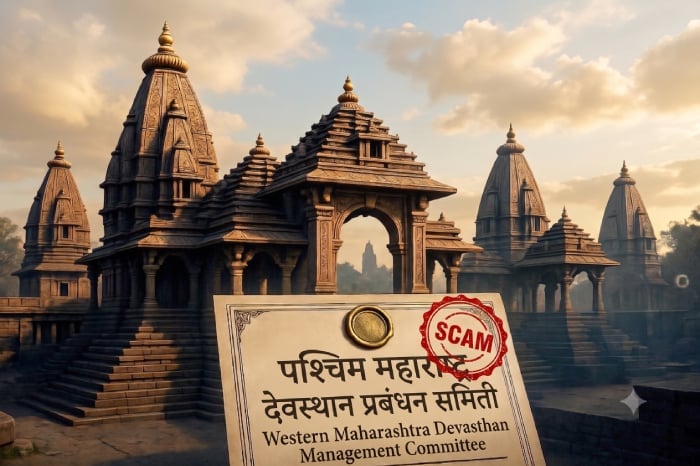
The Maharashtra Government’s decision to take cognisance of the alleged multi-crore irregularities in the Western Maharashtra Devasthan Management Committee marks an important moment in the wider debate on temple governance, public accountability, and the protection of Hindu religious endowments. The committee, widely associated with the administration of major temple assets in western Maharashtra, reportedly manages 3,067 temples, including the revered Shri Mahalaxmi Temple at Kolhapur. When allegations of financial impropriety arise in such an institution, the issue cannot be treated merely as a routine administrative complaint; it touches faith, heritage, law, public trust, and the moral economy of religious service.
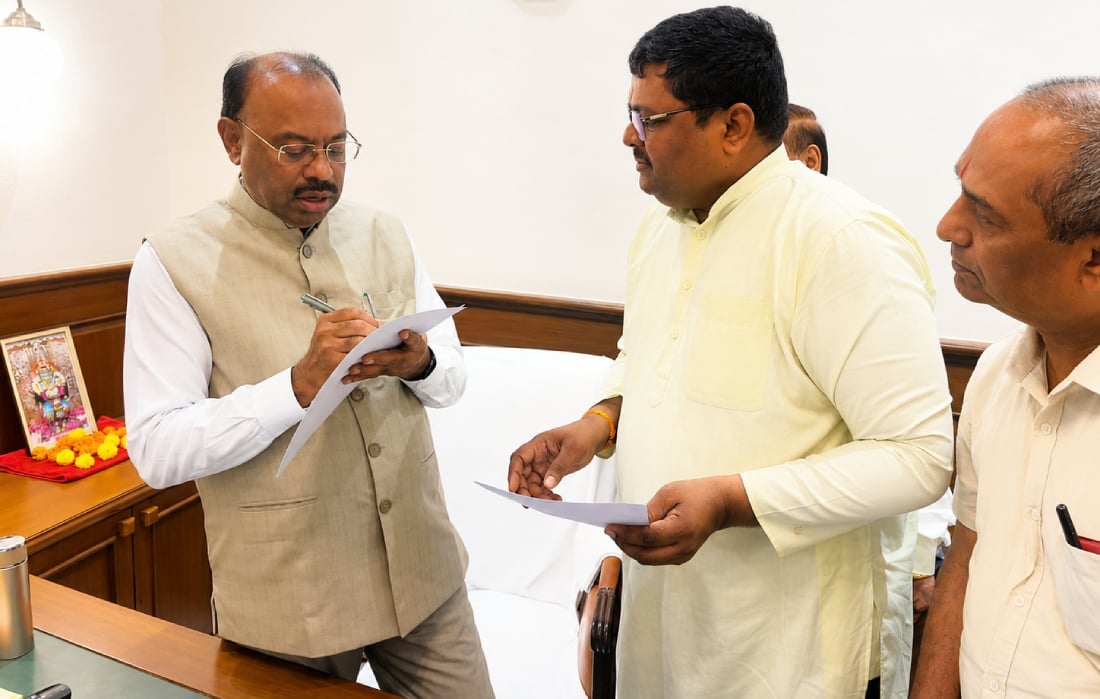
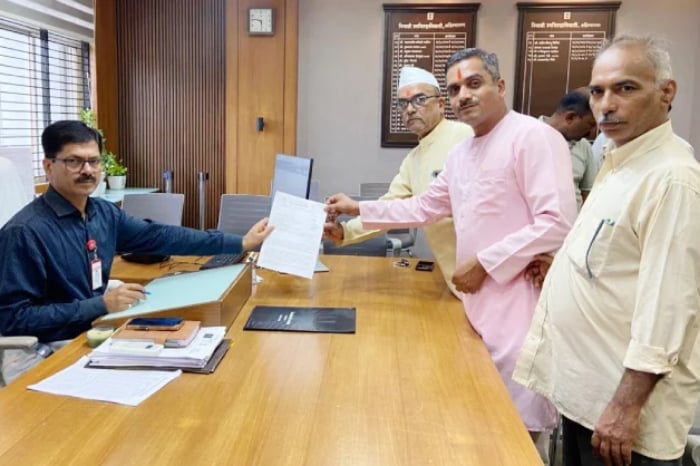
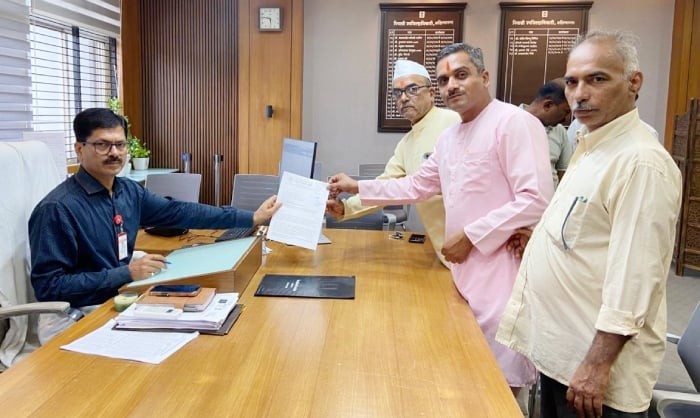
Revenue Minister Chandrashekhar Bawankule has directed the administration to convene an immediate meeting after receiving a memorandum from the Hindu Janajagruti Samiti. At the present stage, the matter remains one of allegation and administrative review, and any responsible assessment must preserve the principle of due process. Yet the decision to call a meeting is significant because it indicates that the government has accepted the need for formal attention, documentary examination, and institutional response rather than allowing concerns to remain confined to public grievance.
The Western Maharashtra Devasthan Management Committee occupies a sensitive position because temple administration is not simply a matter of balance sheets. A temple is a sacred institution, a cultural archive, a local employer, a pilgrim-service hub, and often a custodian of movable and immovable assets built over generations through devotion. For devotees, offerings are not ordinary transactions. They are acts of faith, gratitude, sankalpa, remembrance, and community participation. Any suggestion that such offerings may have been mishandled naturally produces deep concern among worshippers who expect religious institutions to embody transparency, austerity, and dharmic responsibility.
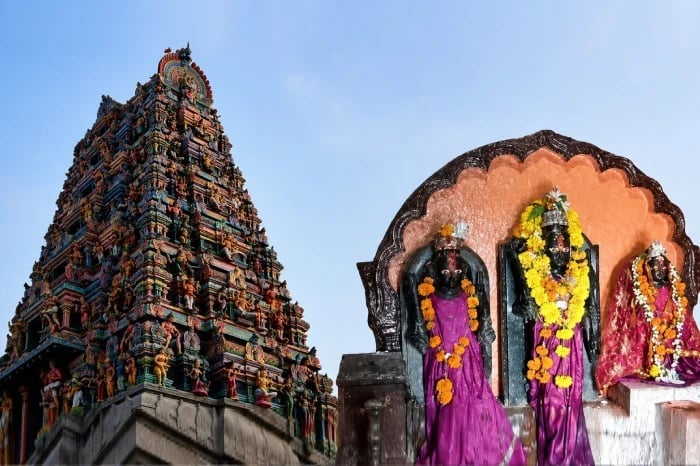
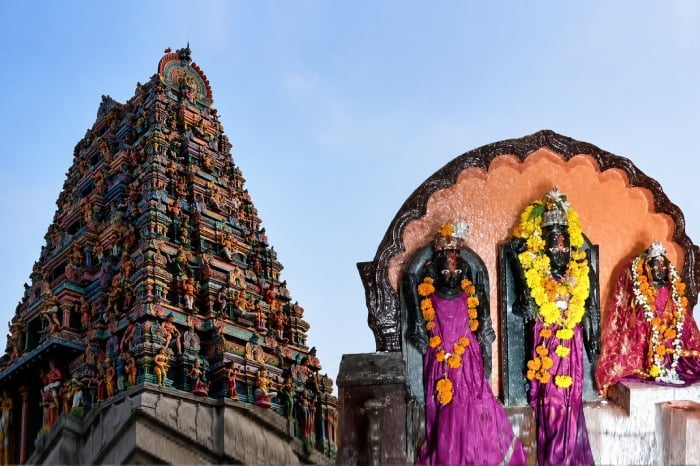
Shri Mahalaxmi Temple at Kolhapur, also known as the Ambabai Temple in local devotional practice, carries immense religious and cultural significance. It is one of Maharashtra’s most important pilgrimage centres and draws devotees from across India. The presence of such a temple within the administrative ambit of the committee intensifies public interest in the matter. A governance failure in a major temple network has consequences beyond one office file, because it may affect public confidence in how sacred institutions are managed, how donations are recorded, how tenders are processed, and how conservation or development funds are monitored.
The alleged scam must therefore be examined through a technical governance lens. A multi-temple administrative body requires reliable accounting systems, independent audits, clear asset registers, transparent tendering procedures, conflict-of-interest disclosures, digitally traceable donation records, and periodic reporting to the public. When thousands of temples are administered under a common structure, the complexity multiplies. Land parcels, gold and silver ornaments, hundi collections, lease agreements, employee payments, renovation contracts, festival expenses, and pilgrim facilities all require separate controls. Weakness in any one layer can create space for irregularity, whether through negligence, procedural gaps, or deliberate misuse.
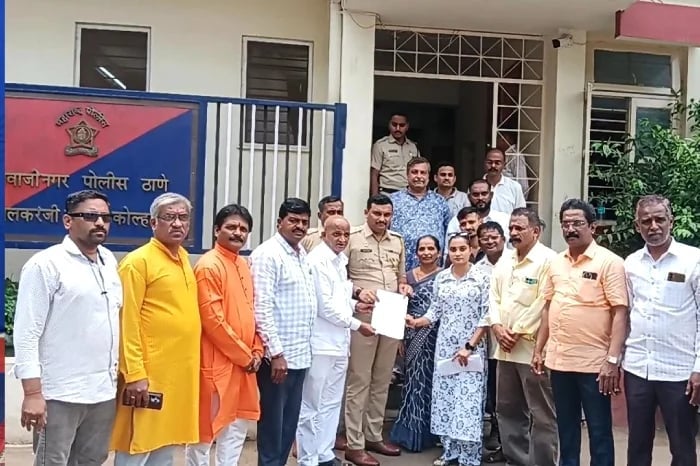
Administrative meetings ordered in response to such allegations should not become symbolic exercises. A meaningful meeting would ideally identify the precise allegations, list the financial years under scrutiny, determine whether statutory audits were completed, examine whether audit objections remained unresolved, and assess whether police, revenue, charity, or anti-corruption authorities need to be involved. It should also clarify whether the alleged irregularities relate to donations, procurement, land management, development projects, staff appointments, leases, temple ornaments, or broader institutional expenditure.
Public reporting has separately highlighted the scale of development activity around the Kolhapur temple ecosystem. For example, reports on the Mahalaxmi Temple Area Development Plan have referred to major state-approved funding and land-acquisition processes around the temple precinct. Such development plans, while potentially beneficial for heritage conservation and pilgrim infrastructure, make financial discipline even more important. Large projects require itemised budgets, technical approvals, archaeological supervision where applicable, procurement transparency, and a clear distinction between conservation, beautification, security, land acquisition, and public amenity spending. Related public reports may be read through sources such as The Times of India on PMDS development works and The Times of India on the Mahalaxmi area survey.
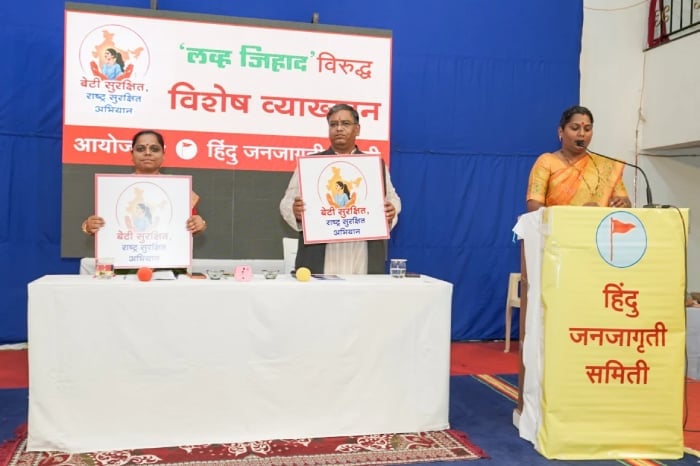
The memorandum from Hindu Janajagruti Samiti must be understood within the larger pattern of civil-society scrutiny of temple administration. Whether one agrees with every position of any organisation is secondary to the institutional point: religious endowments require mechanisms through which devotees, local stakeholders, legal experts, auditors, and administrators can raise concerns without fear or delay. When a memorandum prompts a ministerial direction, it shows that public vigilance can activate formal channels. However, activism should be followed by evidence-based procedure, and allegations should be tested through records rather than rhetoric.
In a dharmic framework, accountability is not hostile to faith. It is a form of seva. The protection of temple wealth is not merely financial conservation; it is the preservation of trust between devotees and institutions. Hindu, Buddhist, Jain, and Sikh traditions all place strong emphasis on ethical stewardship, disciplined service, and the duty to use community resources for the welfare of devotees, pilgrims, monks, sadhus, granthis, sevaks, students, the poor, and the wider society. A temple committee that maintains clean books and transparent decisions strengthens dharma rather than reducing sacred work to bureaucracy.
The most important principle at this stage is evidentiary clarity. The term “multi-crore scam” carries serious reputational and legal implications. It should not be used as a substitute for proof. Investigators and administrators must distinguish between different categories of concern: proven misappropriation, suspected embezzlement, procedural violation, delayed audit compliance, poor record-keeping, conflict of interest, inflated contracts, and administrative inefficiency. Each category requires a different remedy. Criminal wrongdoing calls for prosecution; procedural weakness calls for system reform; poor record-keeping calls for digitisation and audit correction; and governance opacity calls for public reporting.
A technically sound review should begin with a full financial reconciliation of the committee’s accounts. This would include bank statements, donation registers, hundi-opening records, receipt books, digital payment logs, fixed deposits, investment records, expenditure vouchers, tender files, work orders, contractor bills, land leases, rent registers, and asset inventories. If temple ornaments or valuables are involved, a physical verification process should be conducted through secure videography, independent witnesses, valuation experts, and sealed records. Such procedures protect both the institution and honest officials from speculation.
Digitisation can play a decisive role in reducing future disputes. Every major temple body should maintain an integrated temple management system covering donations, inventory, procurement, payroll, leases, rituals, festival expenditure, and development works. Public dashboards need not disclose sensitive security or personal data, but they can show audited summaries, major contracts, conservation spending, committee resolutions, and compliance status. When devotees can see how funds are used for temple maintenance, annadan, pilgrim facilities, heritage restoration, priestly services, education, and community welfare, confidence improves naturally.
The issue also raises a long-standing policy question in Maharashtra and other Indian states: how should Hindu temples be governed in a modern constitutional framework while respecting religious autonomy and public accountability? Some argue that government-supervised structures are needed to prevent private capture and ensure administrative continuity. Others argue that state control over Hindu temples creates asymmetry, because institutions belonging to other religious traditions often enjoy different governance arrangements. A balanced approach would require transparent laws, accountable boards, devotee participation, professional audits, and safeguards against both political interference and private mismanagement.

Temple governance should not be reduced to a conflict between state and society. The more constructive approach is to ask what structure best protects the sacred purpose of the institution. A strong model would include qualified trustees, representatives of traditional stakeholders, independent financial experts, heritage conservation specialists, legal oversight, and channels for devotee feedback. The guiding question should be simple: does the system preserve the temple’s sanctity, assets, rituals, and service obligations while preventing misuse of funds?
The emotional dimension of this case should not be ignored. For many families, a visit to Kolhapur’s Shri Mahalaxmi Temple is connected with vows, thanksgiving after hardship, family milestones, and inherited devotion. Offerings placed before the deity often come from ordinary households, not merely wealthy donors. A small donation may represent a worker’s savings, a mother’s prayer, a farmer’s gratitude after harvest, or a student’s hope before an examination. This is why allegations of mismanagement in religious institutions hurt more deeply than ordinary administrative lapses. They appear to violate a sacred relationship of trust.
At the same time, institutional fairness requires caution against premature conclusions. Officials, committee members, employees, priests, contractors, and administrators are entitled to a process that distinguishes accusation from guilt. Public anger may be understandable, but durable reform emerges from documented findings, legally sustainable action, and clear administrative orders. If wrongdoing is established, accountability must be firm. If weaknesses are systemic rather than criminal, reforms must be equally serious, because negligence in sacred administration can still damage public faith.
The meeting ordered by Revenue Minister Chandrashekhar Bawankule should therefore be treated as the beginning of a larger governance test. The administration should place on record what was alleged, what documents were reviewed, which departments were asked to report, and what timeline has been fixed for further action. A time-bound preliminary inquiry, followed by an audit-based report, would help prevent the matter from becoming another unresolved controversy. The public interest is best served when the government communicates clearly without compromising investigation integrity.
For Maharashtra, the case offers an opportunity to establish higher standards for all major temple bodies. Standard operating procedures for donation counting, digital receipts, procurement thresholds, third-party audits, annual public reports, heritage conservation contracts, land management, and complaint redressal can be strengthened. The state can also consider mandatory social audits for large religious endowments, especially where public funds, temple donations, and development grants intersect. Such reforms would not only address the present controversy but also reduce the likelihood of future allegations.
The controversy surrounding the Western Maharashtra Devasthan Management Committee is ultimately about more than one alleged scam. It is about the ethical architecture of temple administration in contemporary India. Temples are not merely monuments, revenue units, or tourist destinations. They are living centres of worship, memory, learning, charity, music, ritual, community identity, and dharmic continuity. Their administration must therefore meet a standard higher than ordinary compliance. It must be transparent enough to satisfy law, disciplined enough to satisfy auditors, and reverent enough to satisfy devotees.
If the Maharashtra Government follows through with a serious inquiry, transparent findings, and structural reform, the moment can become constructive rather than merely controversial. It can demonstrate that temple governance, when handled with integrity, can unite devotees across sampradayas and strengthen confidence in dharmic institutions. The protection of sacred resources is not a partisan demand; it is a civilisational responsibility. In that sense, the ordered meeting is not just an administrative response to a memorandum. It is a test of whether public institutions can honour the faith placed in them by millions of devotees.
Inspired by this post on Hindu Jagruti Samiti.







Leave a Reply
You must be logged in to post a comment.