
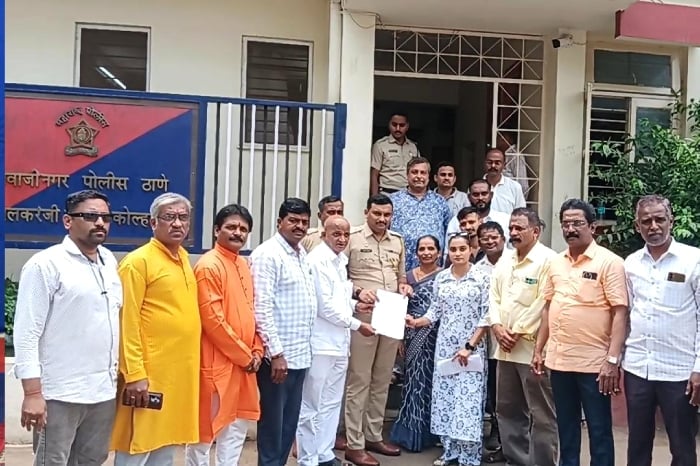
The police case registered in Ichalkaranji against Samir Maner has raised serious public concern because it involves allegations relating to minor girls, social media contact, promises of marriage, and sexual assault. The reported facts are limited, but the core allegation is grave: Maner is accused of luring minor Hindu girls through online communication and exploiting their trust. Since the matter is now within the criminal justice system, the most responsible public position is to recognise the seriousness of the complaint while preserving the legal principle that guilt must be determined by evidence, investigation, and due process.
Cases of this nature disturb families because they sit at the intersection of childhood vulnerability, digital platforms, social trust, and community anxiety. A mobile phone can become a space of learning, friendship, and expression, but it can also become a private channel through which a manipulative adult may isolate a child from parents, teachers, and guardians. When police receive allegations that minors were contacted through social media and drawn in with promises of marriage, the concern is not merely about one accused person; it is also about the wider methods by which grooming can occur in ordinary homes without immediate visible warning signs.
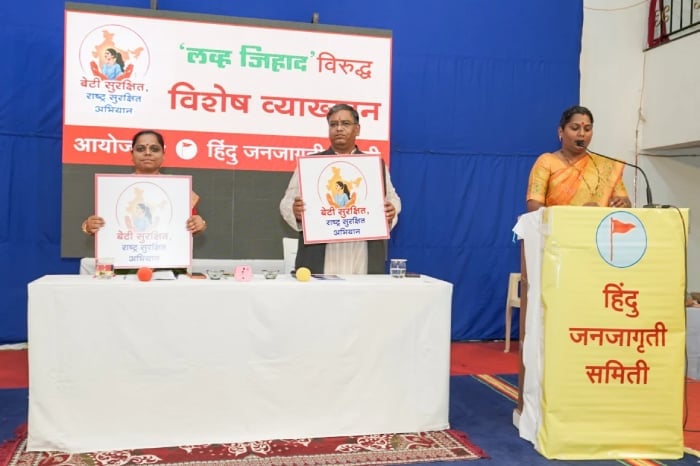
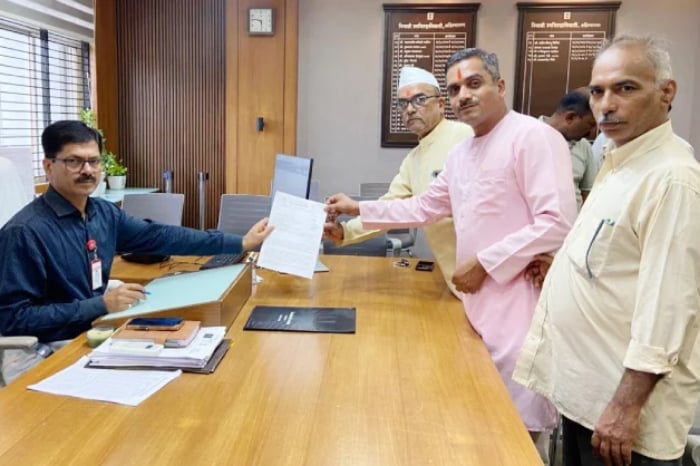
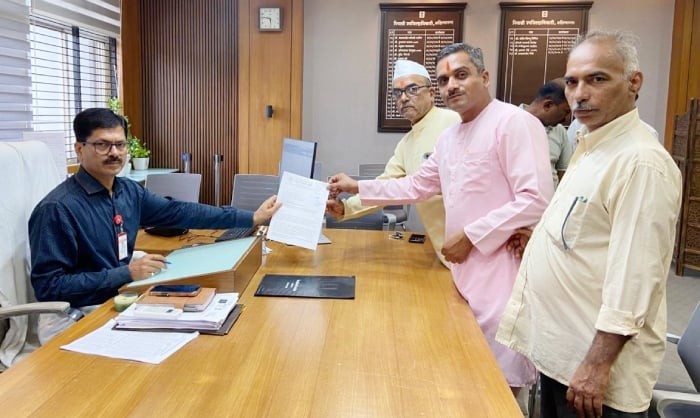
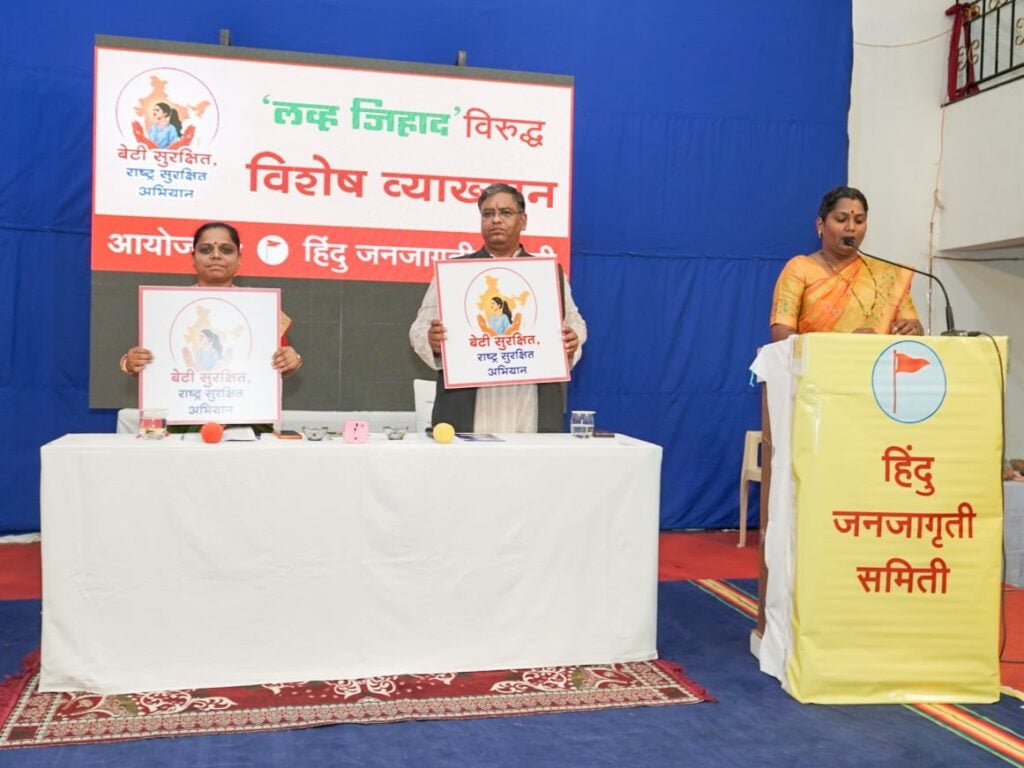
The Ichalkaranji matter has also prompted demands from Hindu organisations for strict action against the accused. Such demands reflect a familiar fear among communities that minor girls may be targeted because of innocence, emotional vulnerability, or limited awareness of online risks. At the same time, public discourse must remain disciplined. The protection of girls should never become an excuse for careless rumours, communal generalisation, or punishment outside the law. A dharmic social response requires firmness toward crime, compassion for victims, respect for due process, and restraint in language.

In legal and child-protection terms, the most important issue is consent and capacity. A minor cannot be treated as an adult decision-maker in matters involving sexual exploitation, coercion, or manipulation. If promises of marriage are used to gain trust from a minor, the moral and legal seriousness increases because the child may not have the maturity to understand power, risk, deception, or long-term consequences. The law therefore places a higher burden on adults and gives stronger protection to children, especially in cases involving alleged sexual assault.
Social media grooming often follows a pattern that appears harmless at first. An accused person may begin with casual conversation, compliments, sympathy, emotional support, or claims of special affection. Over time, the child may be encouraged to keep the relationship secret, distrust family members, share personal photographs, meet privately, or accept unrealistic promises about marriage and future security. The emotional hook is often as important as the physical act. This is why families and schools must treat sudden secrecy, emotional withdrawal, unexplained online friendships, and fear of disclosing phone activity as early warning signs rather than ordinary teenage behaviour in every case.

The phrase commonly used in public debate, such as a love trap, can be emotionally powerful but imprecise. A more careful description is alleged grooming through deception, emotional manipulation, and false promises. This language matters because it keeps attention on conduct rather than identity alone. The central question for investigators is whether the accused knowingly targeted minors, used false assurances, induced trust, and committed sexual offences. That evidence-based framing is stronger, fairer, and more useful than slogans.

For Hindu families and for the broader dharmic community, the case is a reminder that protecting daughters is not only a legal responsibility but also a civilisational duty rooted in dignity. Hinduism, Buddhism, Jainism, and Sikhism each place moral emphasis on self-restraint, truthfulness, compassion, and protection of the vulnerable. These shared values should guide public response. The goal should be to ensure justice for victims, strengthen child safety, support police investigation, and build social awareness without spreading hatred toward any community.

There is also a practical family lesson. Many parents still approach digital safety as a matter of control rather than conversation. Yet children often hide risky interactions when they fear anger, shame, or punishment. A safer approach is to build trust before danger appears. Parents should speak openly about online strangers, emotional blackmail, fake profiles, pressure for secrecy, and the difference between healthy affection and manipulation. A child who believes that family will listen calmly is more likely to seek help before a situation becomes serious.

Schools and community institutions also have a role. Awareness sessions should not be limited to technical advice such as using privacy settings or blocking unknown accounts. Children need age-appropriate education about grooming tactics, consent, coercion, threats, screenshots, blackmail, and the legal consequences of sexual exploitation. Teachers should know how to respond if a student appears distressed, receives threatening messages, or discloses an online relationship with an adult. A delayed or judgmental response can deepen trauma and reduce the likelihood of cooperation with authorities.
Police handling is equally important. In cases involving minors, investigators must preserve digital evidence, record statements sensitively, protect the identity of victims, and avoid unnecessary public exposure. Screenshots, chat histories, call records, device metadata, social media accounts, and witness statements may all become relevant. The strength of a case depends not on public anger but on careful evidence collection, lawful procedure, and victim-sensitive prosecution. Strict action, if supported by evidence, must therefore mean professional investigation and timely legal process.
The privacy of the affected girls must remain non-negotiable. Public discussion should not reveal names, addresses, school details, photographs, or identifying family information. Communities sometimes unintentionally harm victims by turning their suffering into gossip. In child sexual assault cases, dignity requires silence about identity and seriousness about justice. The focus should remain on the alleged crime, the accused, the investigation, and the systems needed to prevent recurrence.
Community organisations demanding action should channel their concern into constructive steps: legal assistance for families, counselling support, digital safety workshops, coordination with police, and awareness campaigns in schools and neighbourhoods. Anger may bring attention to a case, but sustained institutional work prevents future harm. A society becomes safer when outrage is converted into education, evidence, vigilance, and support for victims.
The Ichalkaranji case also highlights the need to discuss boys and young men. Prevention cannot focus only on restricting girls. Families, schools, and religious institutions must teach boys that deception, coercion, sexual exploitation, and emotional manipulation are violations of dignity. Dharmic ethics are not merely rituals or identity markers; they require disciplined conduct. Respect for women and children must be taught as a daily social obligation.
Another important point is the difference between vigilance and paranoia. Not every online friendship is criminal, and not every interfaith or inter-community interaction should be viewed through suspicion. However, when minors are involved, secrecy, pressure, sexual demands, false marriage promises, threats, or manipulation require immediate intervention. A balanced society can protect children firmly without collapsing into fear of ordinary social contact. That balance is essential for social harmony.
From an academic perspective, the case belongs to a wider category of technology-enabled exploitation. Digital platforms reduce barriers between adults and minors, allow identity concealment, and create private channels outside family supervision. The solution is therefore not simply moral warning but layered prevention: digital literacy, parental communication, platform accountability, responsive policing, community awareness, and mental health support for victims. Each layer matters because no single institution can manage the risk alone.
The emotional cost for victims should not be underestimated. A minor who has been deceived or assaulted may experience shame, fear, confusion, anger, withdrawal, or guilt even when she is not responsible for the abuse. Families must resist blaming the child. The first response should be safety, medical care where necessary, legal support, and psychological counselling. Healing becomes possible when the victim is treated with dignity rather than suspicion.
The larger public lesson from Ichalkaranji is clear. Child safety in the digital age requires alert families, careful policing, responsible community organisations, and a culture that protects victims without inflaming society. If the allegations against Samir Maner are established through law, strict punishment should follow. Until then, the case should be discussed with seriousness, restraint, and a firm commitment to justice. The protection of minor girls is not a partisan issue; it is a moral, legal, and social duty shared by every responsible community.
Inspired by this post on Hindu Jagruti Samiti.









Leave a Reply
You must be logged in to post a comment.