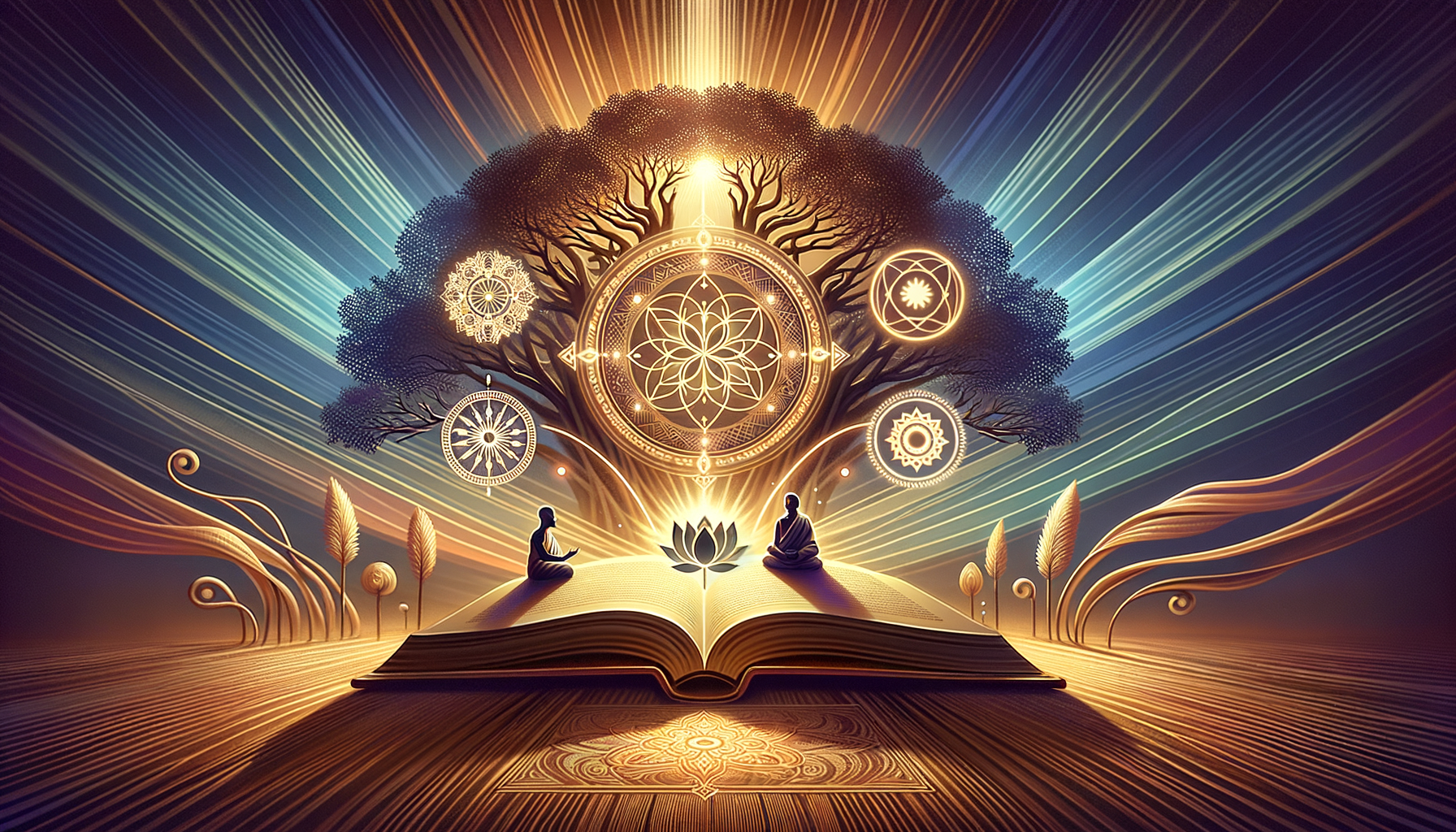
The Upanishads, often described as the crown jewels of Indian philosophy, endure because they elevate a love of truth into a fearless, lifelong quest. Their pages invite rigorous inquiry rather than blind adherence, positioning truth-seeking as both a discipline and a devotion. In this way, the Upanishads model an intellectual and spiritual culture where questions are welcomed and clarity arises through contemplation, dialogue, and lived insight.
Unbound by dogma, the Upanishads investigate reality with openness and precision. Their explorations—epitomized by methods such as neti neti (not this, not that)—advance beyond fixed conclusions into a refined discernment. This commitment to a careful “quest for truth” resonates across eras, offering modern readers tools for “seeking truth” that balance rational analysis with contemplative depth.
A defining feature of the Upanishadic spirit is its acceptance of spiritual diversity. Rather than prescribing a single path, it recognizes a spectrum of authentic approaches. This ethos aligns with the broader unity found across Dharmic Traditions, where Hinduism, Buddhism, Jainism, and Sikhism share a commitment to ethical living, self-knowledge, and compassion. The result is “unity in spiritual diversity,” a vision that strengthens dialogue and mutual respect while preserving distinct insights within each tradition.
For many readers, the first encounter with a mahāvākya—such as “tat tvam asi” (that thou art)—elicits a felt sense of wonder and recognition. A contemporary seeker may find that the Upanishads speak directly to everyday anxieties, guiding attention inward and cultivating steadiness of mind. This emotional resonance, combined with philosophical rigor, helps the texts function as both a mirror and a map: reflecting human experience while outlining a path toward clarity and freedom.
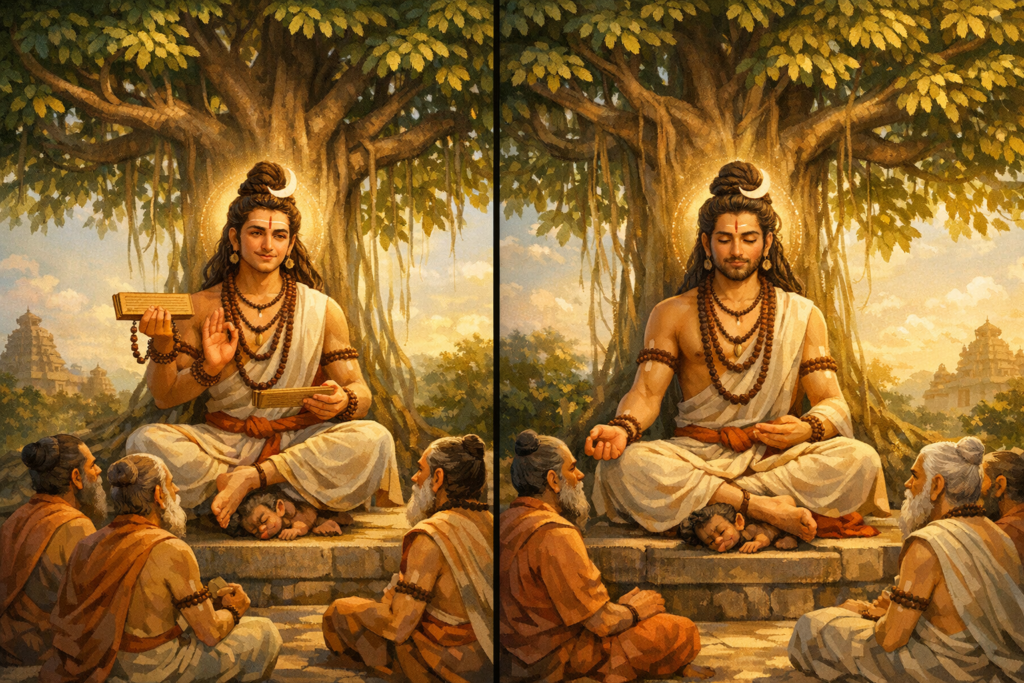
The dialogical form of the Upanishads—rishis and students exchanging probing questions—models how knowledge matures through disciplined conversation. Reason (anumana), direct experience (pratyaksha), and revelation (shruti) are treated as complementary sources of insight. Such integration cultivates intellectual humility and courage, equipping readers to examine assumptions, refine language, and test conclusions without fear.
Ethically, the Upanishads ground freedom in responsibility. Their teachings on the Self (atman), consciousness, and the nature of reality foster reverence for life and solidarity across communities. These reflections translate into practical virtues—truthfulness, non-harm, and service—that enhance social harmony while supporting individual flourishing. In this, the Upanishads illuminate how inner realization and public good can reinforce one another.
Ultimately, the Upanishads remain timeless because they demonstrate how to love truth and pursue it without fear. Their inclusive, dialogic, and contemplative approach makes them foundational to Indian Philosophy and a living source of Vedic wisdom. By affirming a shared commitment to “spiritual diversity and unity,” they invite all seekers—across Hindu, Buddhist, Jain, and Sikh paths—into a common conversation oriented toward understanding, compassion, and liberation.
Inspired by this post on Hindu Blog.