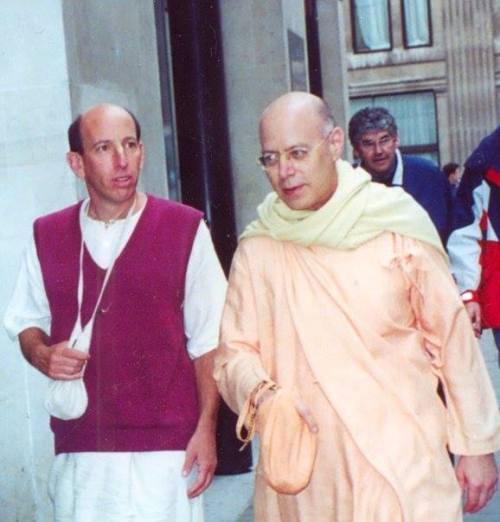
Within the Bhakti tradition of Hinduism, the concept of “dasa”more precisely dāsa, meaning a willing servant of the Divinefunctions as a theological, aesthetic, and ethical cornerstone. Far from implying human servility, dāsa names an intentional posture of humility and love before the transcendent, lived as service (seva) and surrender (śaraṇāgati). This devotional identity, widely affirmed by Vaishnava, Śaiva, and Śākta lineages, has also animated broader dharmic values that resonate across Sikh, Jain, and Buddhist traditions through a shared emphasis on humility, compassion, and selfless service. As a result, dāsa-bhāva (the affective mood of sacred service) emerges as both a path of inner transformation and a social ethic that dignifies everyday life.
Philologically, dāsa in this context is best rendered as servant of the Divine, not as a social category. Within Bhakti literature, dāsya denotes an intimate rasa (devotional flavor), the relational joy of offering oneself in loving attendance to God. The language of dāsa/dāsī became a devotional signature appended to namessignifying belonging, dependence, and a chosen submission that quiets the ego (ahaṅkāra) and centers life on the Beloved.
Scriptural anchors make this orientation explicit. The Bhagavad Gita culminates in śaraṇāgati“sarva-dharmān parityajya mām ekaṁ śaraṇaṁ vraja” (18.66)framing wholehearted surrender as liberative. The Srimad Bhagavatham (7.5.23) enumerates navavidha-bhaktiśravaṇaṁ kīrtanaṁ viṣṇoḥ smaraṇaṁ pāda-sevanaṁ arcanam vandanaṁ dāsyaṁ sakhyam ātma-nivedanamplacing dāsya alongside remembrance, worship, friendship, and full self-offering as perfected modes of devotion. In practice, dāsya interweaves hearing (śravaṇa), chanting (kīrtana), and service (seva) into a holistic sādhanā (discipline).
Classical Vaishnava aesthetics, especially in Rūpa Gosvāmi’s Bhakti-rasāmṛta-sindhu, situate dāsya among five principal rasas (śānta, dāsya, sakhya, vātsalya, mādhurya). Dāsya is neither merely preliminary nor inferior; it is a stable, exalted relationship with the Divine characterized by reverence, loyalty, and readiness to serve. While devotees may grow into friendship (sakhya) or parental tenderness (vātsalya), dāsya retains its integrity as a cherished, consummate mood.
In Viśiṣṭādvaita Vedānta (Sri Ramanujacharya), dāsa-bhāva is illuminated by the śeṣa–śeṣi relationship: the self (jīva) as śeṣawholly dependent, meant for the service of the śeṣi (Īśvara). This metaphysical dependence flowers existentially as śaraṇāgati, classically articulated in six limbsānukūlya-saṅkalpa, prātikūlya-vivarjana, rakṣiṣyatīti-viśvāsa, goptṛtva-varaṇa, ātma-nikṣepa, and kārpaṇyaguiding devotees from intention and trust to total self-offering. In Sri Vaishnava practice, this yields a culture of temple seva, hospitality, and communal devotion ordered by grace (prasāda) and responsibility (dharma).
In Tattvavāda (Madhvacharya), dāsa-bhāva rests on the unbridgeable difference (bheda) between the Supreme and the soul, with Hari as supreme (Hari-sarvottama) and all beings as His dependents. The Haridāsa movement in KarnatakaPurandara Dāsa and Kanaka Dāsa among its luminariestranslated this vision into accessible kīrtanas that conjoined music, moral clarity, and radical inclusivity. Their “Dāsa-sahitya” exemplifies how metaphysics can become melody, and how melody can become service to society.
In Gauḍīya Vaiṣṇavism (Chaitanya Mahaprabhu), dāsa identity is deepened through acintya-bhedābhedathe soul is simultaneously one with and different from Kṛṣṇa. Practically, devotees cherish being dāsa-dāsa-anudāsa“the servant of the servant of the Lord”a phrase that cultivates layered humility and protects the heart from subtle pride. Nām-kīrtana, līlā-smaraṇa, and community service are lived as joyful expressions of dāsya-bhāva, while hagiographies of figures such as Haridāsa Ṭhākura reinforce service as the axis of spiritual embodiment.
Śaiva and Śākta streams similarly exalt devotional servanthood. Tamil Bhakti speaks of the Lord’s adiyār (servants), and the Nayanmār saints style themselves as the Lord’s attendants (tiruttoṇḍar). Poets and mysticsfrom Appar and Sundarar to the intense visions of Akka Mahadevirender the heart’s obedience as ecstatic freedom. In Śākta currents, loving service to the Mother (Ambā, Devī) is honored as a supremely tender discipline that dissolves egocentric striving.
North Indian Bhakti also preserves this signature. Tulasīdāsa and Sūrdāsa embed dāsa identity in both name and verse, while Mīrābāī’s self-description as a dāsī of Giridhārā Gopāla models unnegotiated fidelity. Across these literatures, dāsya is not passivity; it is an active, discerning love that embraces accountability, courage, and moral clarity as the rightful duties of a servant of the Divine.
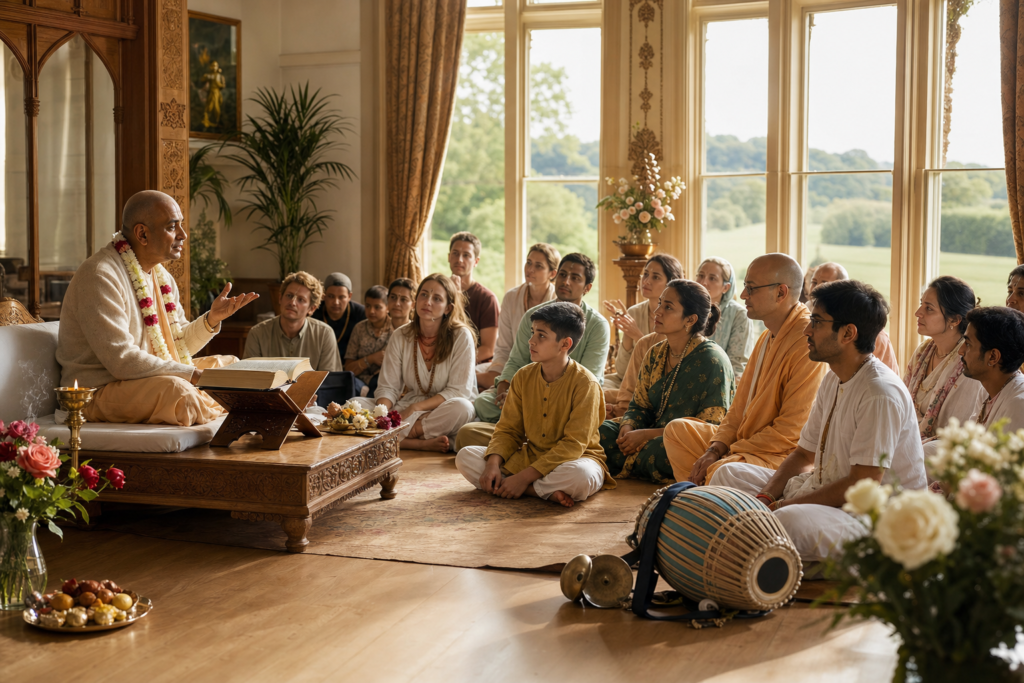
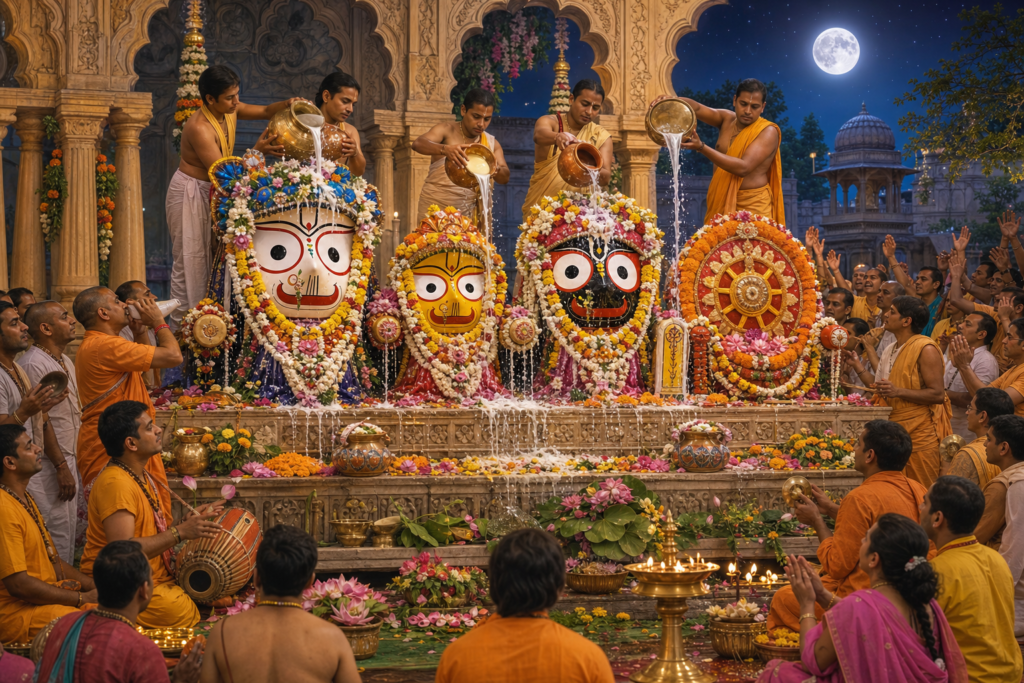
The social ethic of dāsa-bhāva expresses itself as sevafeeding pilgrims, cleaning sacred spaces, teaching, healing, and serving the vulnerable without expectation. Within the Guru–Shishya Relationship, guru-sevā forms the grammar of learning, aligning knowledge with humility and gratitude. Temple cultures institutionalize this rhythmpāda-sevanam (attendance at the Divine feet), arcanā (worship), and prasāda distributionso that devotion, community, and ethics reinforce one another.
Dāsa identity also serves as a social equalizer. By willingly claiming the role of servant before the Divine, devotees minimize status distinctions, foregrounding shared dependence on grace. Saintly traditions repeatedly pushed against barriers of caste, gender, and wealth by locating true dignity not in birth or power but in the integrity of service and the refinement of the heart.
Psychologically and soteriologically, dāsya-bhāva transforms the self. Practices of śravaṇa, kīrtana, japa, and seva reorganize attention around the Ishta (chosen form of the Divine), quieting restless self-reference and converting anxiety into trust. As the Gita frames it, devotion anchored in śaraṇāgati leads toward fearlessness (abhaya) and ultimately mokṣa, because one lives from a center stronger than circumstance.
Dāsa-bhāva also animates a sophisticated aesthetics of devotion. Carnatic and Hindustani repertoires alike teem with the poetry of service and surrender; procession, darśana, and kīrtana make theology tactile. Literature from the Bhagavad Gita to the Srimad Bhagavatham to the Tamil Divya Prabandham supplies a shared vocabularygrace, surrender, friendship, servicemaking the inner life hospitable and communicable.
This devotional posture resonates across dharmic traditions in mutually enriching ways. In Sikh tradition, seva and the self-designation as dās (servant) before the Divine cultivate humility and community welfare; the very name Guru Ram Das encodes the sanctity of service. Jain practice honors vaiyāvṛtya (seva to ascetics and the saṅgha) and emphasizes vinaya (humility) as a core virtue; tender service becomes a practical expression of ahiṁsā (nonviolence). Buddhist ethics, especially in the bodhisattva ideal, consecrate compassionate service to all beings as the natural flowering of wisdom and non-attachment. While metaphysical frameworks differ, the shared ethic of humble, selfless action offers a durable bridge of understanding and unity.
It is crucial to distinguish dāsa-bhāva from any notion of demeaning servility. In Bhakti, service is voluntary, love-motivated, and dignity-conferring; it aims not at subjugation but at liberation from egoism. The servant of the Divine acts with inner freedom, moral courage, and discriminating wisdom (viveka), becoming dependable for others precisely because the heart is anchored in the Real.
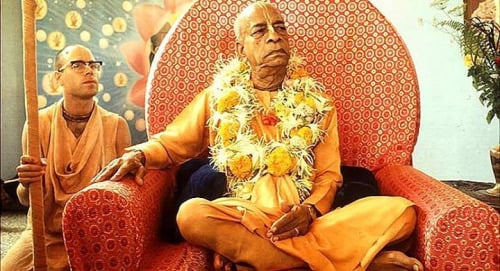
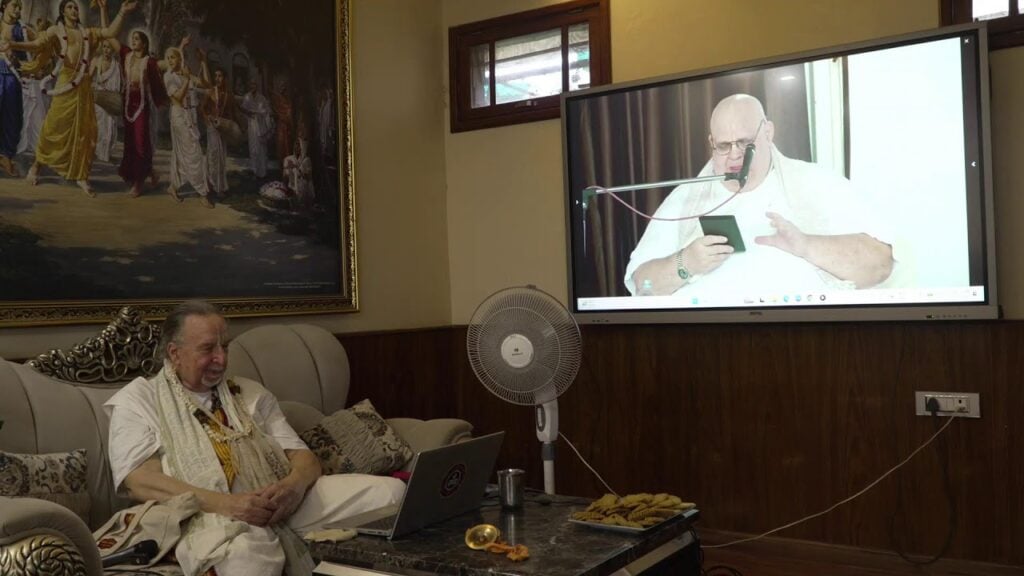
Modern movements continue to embody this vision. ISKCON’s adoption of dāsa/dāsī in spiritual names keeps identity aligned with service; community kitchens, ecological initiatives, and educational projects expand the ambit of seva into contemporary needs. Digital kīrtana, volunteer networks, and collaborative learning platforms demonstrate how ancient dāsya-bhāva adapts to new mediums while preserving its essence.
At the level of interreligious civility within the dharmic family, the Ishta principle in Hinduismrespecting diverse chosen forms and pathsharmonizes with Sikh, Jain, and Buddhist commitments to plural ways of realization and service. Swami Vivekananda’s articulation of spiritual pluralism offers a durable frame: genuine strength is large-hearted enough to honor many upāyas (skillful means) without compromising one’s own devotion. This inclusive disposition keeps the focus on shared goodness rather than on difference.
For communities and individuals alike, the practical curriculum of dāsa-bhāva is clear. Begin with śravaṇa and kīrtana that soften the heart; undertake daily japa to steady attention; commit to small, consistent acts of seva; cultivate guru-sevā to align knowledge with character; and revisit śaraṇāgati as a living vow. Over time, the servant’s path turns ordinary duties into sacred offerings and difficult seasons into occasions for grace.
In sum, the concept of “dasa” in the Bhakti tradition is not an archaic relic but a living architecture of meaninguniting theology (dependence on the Divine), aesthetics (the sweetness of service), ethics (seva and humility), and social vision (dignity and inclusion). Its spirit resonates strongly with the service-centered ideals of Sikhism, the humility and ahiṁsā of Jainism, and the compassion-forward ethos of Buddhism. When embraced with understanding, dāsa-bhāva becomes a path of personal transformation and a commons for dharmic unity.
This is devotion as freedom: the more one becomes a dāsa, the more one is released from the narrowness of self and the more available one becomes to the needs of the world. In that availability, Bhakti’s promise is quietly fulfilledlove matures into service, service matures into wisdom, and wisdom opens naturally into peace.
Inspired by this post on Hindu Blog.