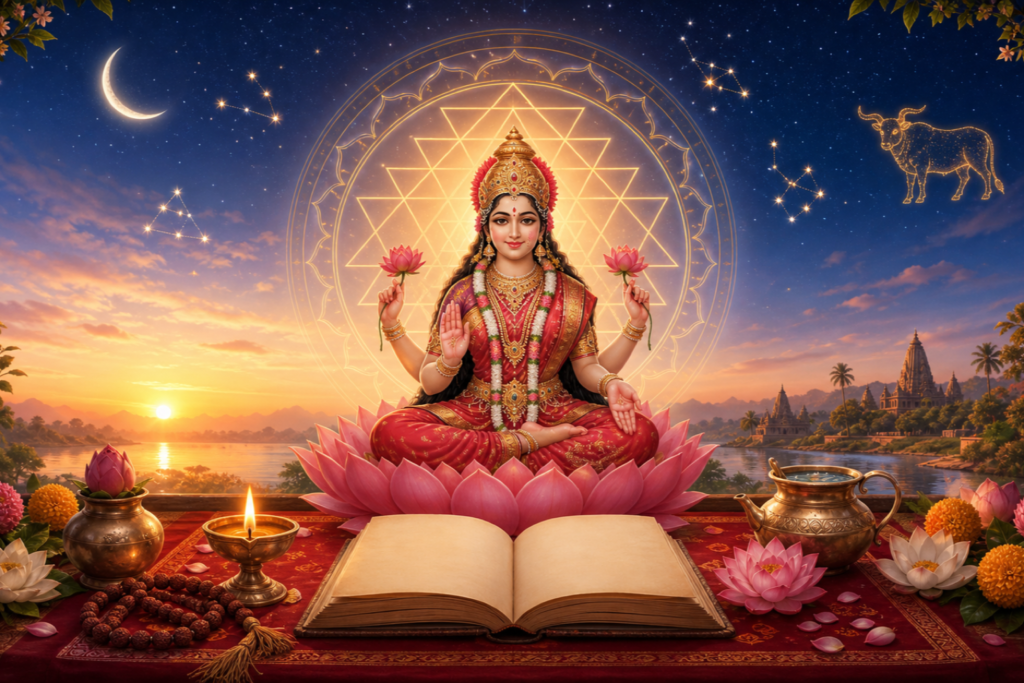
Paramapurushartha, often translated as “the supreme goal of human existence,” names the highest aspiration in Hindu philosophy. Within the broader framework of Purusharthasdharma (ethical order), artha (prosperity), kama (fulfilled desire), and moksha (liberation)it points to the ultimate culmination of human life: inner freedom and self-realization. This concept is not merely metaphysical; it functions as a compass, aligning everyday choices with a deeper telos affirmed across the Dharmic traditions.
In classical Hindu thought, Paramapurushartha is most commonly identified with moksha, the liberation from bondage and the realization of the Self. Vedanta illuminates this through the Upanishadic insight into the nature of atman and Brahman, while the Bhagavad Gita synthesizes jnana (knowledge), bhakti (devotion), and karma (selfless action) as convergent paths toward this supreme end. Bhakti traditions, in particular, frame Paramapurushartha as bhagavat-praptiabiding God-realizationwithout contradiction to the nondual understanding of oneness.
Convergences with sister Dharmic traditions highlight a shared horizon: Buddhism’s nirvana, Jainism’s kevala jnana, and Sikhism’s mukti each articulate a supreme human goal of freedom from ignorance and suffering. While each tradition speaks in its own vocabulary and philosophical idiom, they agree on the transformative potential of ethical living, disciplined practice, and compassionate awareness. This unity in spiritual diversity reinforces the inclusive civilizational ethos of the Indian subcontinent.
Scriptural sources across the Dharmic spectrum ground the ideal. The Upanishads articulate the intuition of ultimate reality, the Bhagavad Gita (e.g., 2.72; 18.66) orients conduct toward liberation, and the Yoga Sutras culminate in kaivalya, absolute freedom. Jain Agamas describe the path to kevala as purification through right faith, knowledge, and conduct, and Buddhist sutras point to nirvana through the Noble Eightfold Path. These complementary testimonies underscore that Paramapurushartha is a rigorous, lived philosophy rather than an abstract ideal.
Practically, Paramapurushartha reframes the first three aimsdharma, artha, and kamanot as ends in themselves but as harmonized means. Ethical prosperity and refined enjoyment support clarity, restraint, and responsibility. Many practitioners observe that when artha and kama are disciplined by dharma, the mind becomes quiet enough to discern the pull of moksha and to pursue it without denying the realities of familial, social, and professional life.
Disciplines associated with this pursuit are well-known: meditation (dhyana), mantra practice (japa), yoga, selfless service (seva), and study of the Upanishads, the Bhagavad Gita, and allied texts. Equally vital are ethical commitmentsyama and niyama in yoga, ahimsa and vows in Jainism, mindfulness and compassion in Buddhism, and simran and seva in Sikhismwhich stabilize attention and cultivate a heart ready for insight. These shared disciplines reveal a common grammar of liberation across the Dharmic world.
Reports from contemporary seekers often describe a growing sense of inner steadiness, purpose, and empathy as practice deepens. Stress diminishes as actions align with dharma; priorities clarify as artha and kama are consciously bounded; and a quiet confidence emerges from regular sadhana. This experiential arcclarity, balance, and compassionmirrors classical descriptions of progress toward Paramapurushartha.
In modern contexts marked by distraction and uncertainty, Paramapurushartha offers a coherent framework for meaning. It encourages a value-based life that is economically responsible, emotionally refined, and spiritually awake. By foregrounding shared principles, it also supports social harmony and interfaith respect, reinforcing unity in spiritual diversity without erasing distinctive paths.
Practical orientation can begin with simple commitments: a few minutes of daily meditation, mindful speech, intentional consumption, and periodic self-inquiry into whether choices support dharma and diminish unnecessary craving. Engagement with a supportive communitysatsang or sanghaand guidance from respected teachers can help sustain momentum, while study of Vedanta and allied traditions provides conceptual clarity.
Ultimately, Paramapurushartha synthesizes the Dharmic vision of human flourishing: it integrates ethical living, meaningful work, and refined enjoyments under the arc of liberation. By honoring multiple methodsknowledge, devotion, selfless action, meditationand recognizing parallel insights in Buddhism, Jainism, and Sikhism, it preserves the civilizational promise of unity in spiritual plurality. In that shared horizon of inner freedom, personal well-being and collective harmony naturally converge.
Inspired by this post on Hindu Blog.