The serpentSarpaheld in the hand of Goddess Durga stands among the most evocative symbols in Hindu iconography. More than an ornament or weapon, it signifies conscious power, divine control, and the disciplined channeling of energy. In depictions of the annihilation of Mahishasura, the coiled serpent in Durga’s grasp conveys mastery over chaos and the ethical governance of force. This is the essence of Nagapasha: the noose that subdues adharma not by brute dominance, but by lucid, sovereign awareness.
Within the theological and philosophical grammar of Shakti, Nagapasha represents the binding of egoic impulses, fear, and aggressionthose serpentine tendencies that, when unintegrated, disturb one’s inner equilibrium. Held firmly yet not destroyed, the serpent teaches a subtle lesson: primal energies require guidance, not repression. Mahishasura, often read as the embodiment of tamas (inertia) and avidya (ignorance), is overcome when energy is awakened, clarified, and ethically directed. The serpent thus signals victory over evil through conscious regulation, not indiscriminate force.
In a yogic reading, the serpent aligns with Kundalinicoiled Shakti resting at the muladhara, poised to ascend through the sushumna nadi. Durga’s hold illustrates that awakened power attains its highest purpose when harmonized by dharma. The image compresses a complete spiritual psychology: prana refined into presence, presence into insight, and insight into compassionate action. The serpent’s coils mirror the spiral of transformation from survival instincts to illumined consciousness.
Ethically, the symbol affirms integration rather than annihilation of the vital forces. The serpent is not demonized; it is sanctified. Fear, desire, and anger become resources once illumined by awareness. In this sense, Nagapasha expresses ahimsa and self-mastery: energies are contained, clarified, and tasked to serve the well-being of all. Durga’s sovereignty is therefore not merely martial; it is moral and pedagogical.
The motif resonates across dharmic traditions. In Buddhism, the serpent Mucalinda shelters the meditating Buddha, emblematic of protective wisdom and the quieting of turbulent forces. In Jainism, the Tirthankara Parshvanatha is depicted beneath serpent hoods, signifying grace and guardianship for one steadfast in dharma. Sikh teachings on overcoming the “Five Thieves” (kāma, krodh, lobh, moh, ahankār) converge with Durga’s lesson: inner victory arrives through disciplined awareness. These convergences nurture unity among Hindu, Buddhist, Jain, and Sikh perspectives on nonviolence, self-mastery, and compassionate strength.
Ritually and emotionally, the image is profoundly connective. During Navaratri and Durga Puja, many devotees experience a quiet surge of courage on seeing the coiled serpent resting in the Goddess’s palm. Priestly commentaries often describe Nagapasha as the noose that gathers scattered tendencies and binds them to a vow of truthfulness and restraint. Meditative practicessuch as breath awareness, mantra japa, and contemplative visualization of Shaktitransform this aesthetics of iconography into a lived ethics of attention, resilience, and compassion.
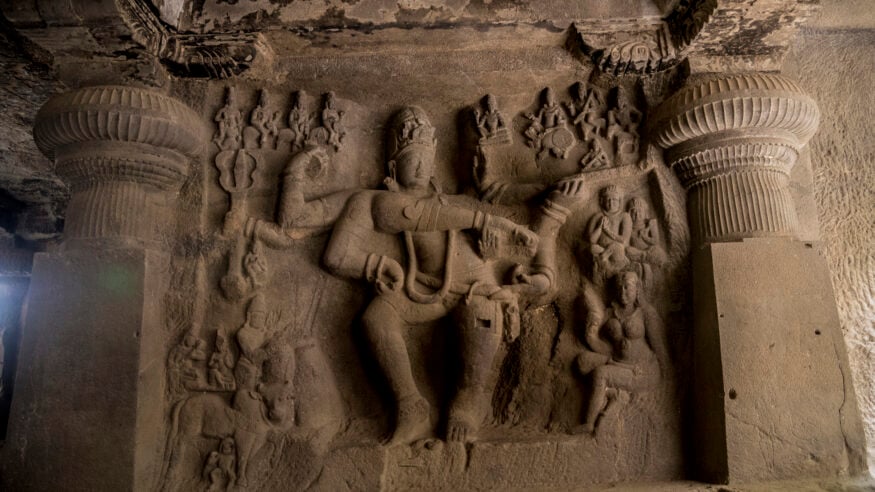
Comparative iconography further deepens the meaning. Shiva is garlanded with serpents, signifying timeless awareness at peace with primal energies. Vishnu reclines upon Ananta Shesha, communicating cosmic balance and continuity. Subrahmanya’s association with the peacock and serpent reflects the triumph of clarity over impulsiveness. Durga’s Nagapasha gathers these strands: awareness that is courageous, compassionate, and impeccably ordered.
Contemporary relevance is unmistakable. In a world of distraction and volatility, Nagapasha symbolizes attention regulation, emotional steadiness, and ethical resolve. It invites the cultivation of sattvaclarity and balanceso that individual power serves social harmony. Read this way, Durga’s serpent is a civilizational pedagogy for channeling vitality toward justice, caretaking, and interfaith respect within the broader dharmic family.
Ultimately, the serpent in the hand of Goddess Durga communicates the mystery of conscious power: strength without cruelty, fearlessness without arrogance, sovereignty without domination. It is a call to transmute anxiety into insight and instinct into wisdom. The image shows that victory over evilexternal or internalis secured when Shakti is awakened, guided, and shared for the protection of all beings.
Inspired by this post on Hindu Blog.