In Hindu philosophy, “moha” denotes a cognitive and emotional state of delusion and confusion that obscures discernment, culminating in either ignorance or false knowledge. This condition is closely associated with “tamas,” one of the three gunas, characterized by inertia, darkness, and ignorance. When tamas predominates, awareness becomes dulled, and moha gains momentum, clouding judgment and veiling reality.
Under the sway of moha, perception narrows and becomes partial. Individuals may over-identify with fleeting experiences, cling to assumptions that confirm existing biases, and mistake familiarity for truth. Choices become reactive rather than reflective; certainty often replaces inquiry, and comfort in the familiar can masquerade as clarity. In this manner, moha subtly reconfigures experience so that illusions feel convincing and counterevidence appears irrelevant.
While moha is fueled by tamas, it can be amplified by “rajas,” which agitates the mind through restlessness and craving. Conversely, “sattva” supports lucidity, balance, and ethical clarity, weakening moha’s hold. Classical disciplines such as viveka (discernment), abhyāsa (steady practice), dhyāna (meditation), karma yoga (selfless action), and bhakti (devotional orientation) cultivate sattva and reduce tamas, guiding the practitioner from confusion to insight. In this layered framework of the gunas, transformation involves methodically refining attention and intention.
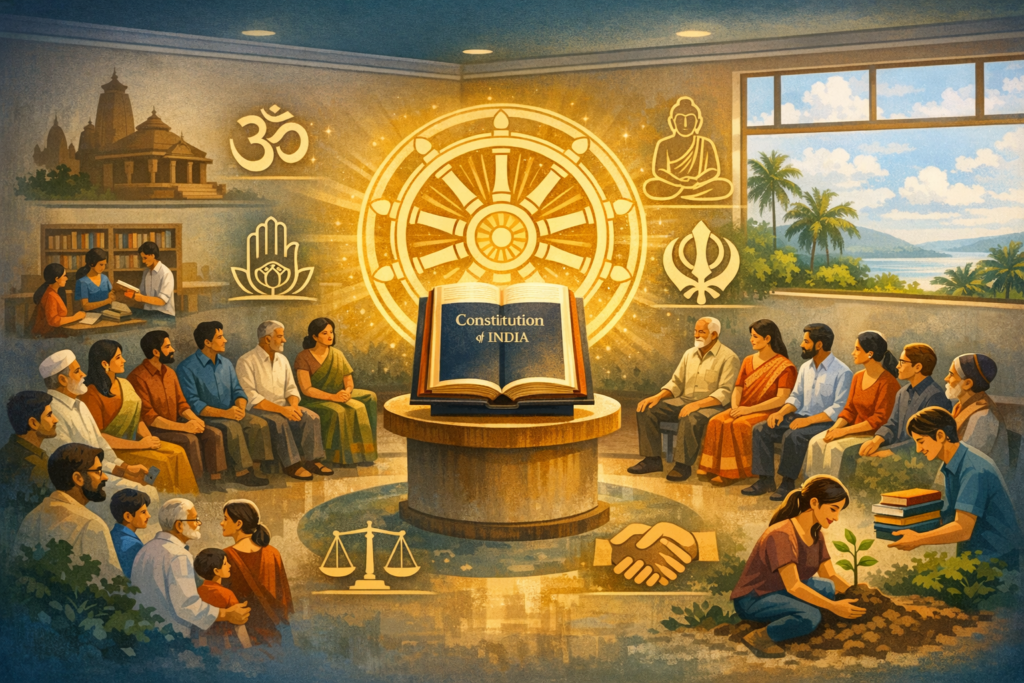
Dharmic traditions converge on this analysis of delusion while articulating it in distinct idioms. In Buddhism, moha is one of the three poisons alongside greed and aversion; it distorts perception and perpetuates suffering. Mindfulness, ethical conduct, and paññā (wisdom) counteract delusion by directly seeing phenomena as they are. In Jainism, moha aligns with mohaniya karma—the deluding force that obscures right knowledge and right conduct; vows, austerity, and disciplined awareness gradually dissolve this obstruction. In Sikh thought, moh (attachment) and māyā are seen as forces that cloud understanding; remembrance of the Divine (simran), truthful living, and gurmat (the Guru’s guidance) restore clarity. Across Hinduism, Buddhism, Jainism, and Sikhism, the shared emphasis on ethical refinement, self-awareness, and compassionate action illustrates a unified dharmic commitment to overcoming delusion.
Contemporary life provides fertile ground for moha: cognitive biases, rapid information cycles, algorithmically curated feeds, and polarizing narratives can reinforce tamas and undermine discernment. Practices that elevate sattva—such as contemplative scheduling, mindful consumption of media, ethical service, and regular meditation—help stabilize attention and temper reactivity. By aligning daily routines with clarity, one transforms ordinary contexts into opportunities for insight and reduces the likelihood of mistaking partial views for complete truths.
Understanding moha therefore involves both diagnosis and remedy: recognizing how tamas distorts knowing, and applying dharmic methods that restore balance. This integrative perspective supports unity across traditions by highlighting a common goal—the movement from confusion to wisdom. In honoring this shared aspiration, moha becomes not merely an obstacle but a teacher, pointing toward humility, careful inquiry, and a life oriented toward truth.
Inspired by this post on Hindu Blog.