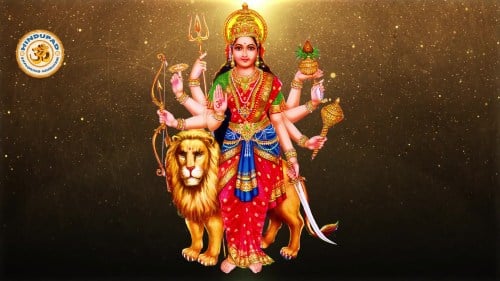
Dhakeshwari Temple in Dhaka, Bangladesh, endures as a luminous center of faith, culture, and continuity. Revered as the spiritual heart of the city, the presiding deity Dhakeshwariunderstood both as the “Goddess of Dhaka” and, by popular etymology, the “hidden goddess” (dhaka: covered)is venerated as a protective, maternal presence whose grace is believed to shelter the city and guide its people.
Tradition attributes the establishment of the shrine to the 12th century, often associated with the Sena dynasty, reflecting the temple’s deep roots in Ancient Bengal. Over centuries, Dhakeshwari Temple has been renewed and expanded, retaining its role as a living institution rather than a relic. It stands not only as a sacred space for worship but also as a cultural landmark that has weathered political transitions and social change, continually renewing its relevance for the community of Dhaka and beyond.
Dhakeshwari embodies Adi Shaktithe primordial feminine power central to Hindu philosophyand is honored as the city’s guardian deity. This devotion to the divine feminine resonates widely across Dharmic traditions, where values such as compassion, courage, wisdom, and service are shared and celebrated. In this sense, the temple’s ethos harmonizes with the broader Dharmic spirit found in Hinduism, Buddhism, Jainism, and Sikhism, encouraging respectful coexistence and a shared commitment to the common good.
Daily worship at the temple includes mangala aarti, ritual offerings (bhog), and evening lamps (sandhya aarti), accompanied by the cadence of bells and the recitation of Sanskrit mantras as well as Bangla devotional songs. Offerings commonly include flowersespecially red blossoms symbolic of Shaktifruits, sweets, and the auspicious application of vermilion. The festival calendar is crowned by Navaratri and Durga Puja, when the temple throngs with devotees and visitors, transforming the complex into a vibrant confluence of devotion, music, and community celebration.
The architecture of the Dhakeshwari complex reflects layers of history rather than a single stylistic moment, with open courtyards for congregational worship, a natmandir (assembly space) for ritual and music, and subsidiary shrines that complement the main sanctum. The result is a functional sacred campus aligned with the rhythms of ritual life and community practice, rather than a monument preserved in stasis.
As a cultural anchor for the Bengali Hindu community in Dhaka, the temple nurtures learning, music, and ritual arts that preserve intangible heritage. It also offers a welcoming space for visitors who seek a deeper understanding of Dhaka’s civilizational memory. Many find that the temple’s atmosphereincense-laden air, the glow of lamps, and the collective murmur of prayerengenders a sense of continuity with timeless ideals of dharma and ethical living that Dharmic traditions collectively uphold.
For those planning a visit, thoughtful participation enhances the experience: modest attire, mindful silence in the sanctum, and sensitivity regarding photography uphold the sanctity of the space. Joining the evening aarti offers a particularly evocative moment, when the temple’s lamps and chants create a shared field of reverence that bridges personal faith and communal belonging.
Dhakeshwari Temple’s significance ultimately lies in the unity it embodiesbetween past and present, devotion and culture, and among Dharmic traditions that affirm diverse paths to truth. By honoring Dhakeshwari as the city’s hidden-yet-ever-present Shakti, Dhaka affirms a legacy of resilience and harmony that continues to illuminate civic life and spiritual practice alike.
Inspired by this post on Hindu Blog.