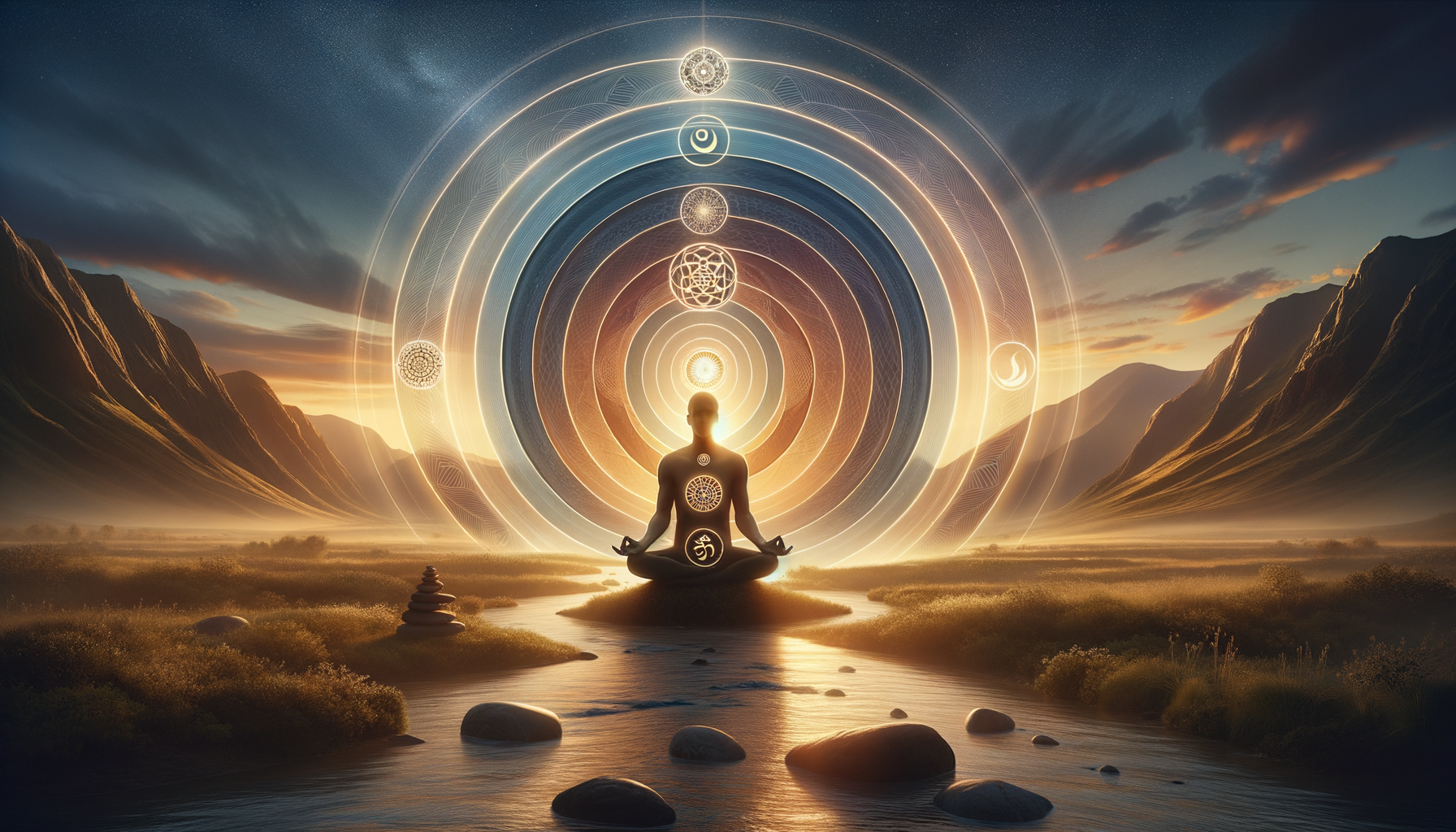
Across the dharmic traditions, the idea of an infinite consciousness stands as a foundational insight. Within Hindu philosophy, this infinite reality can be approached through Prakritinature as the dynamic matrix of experience. Rather than proposing a single exclusive route, this perspective affirms a shared journey found in Hinduism, Buddhism, Jainism, and Sikhism: nature, mind, and awareness interrelate in a coherent path toward realization.
In classical Hindu philosophy, especially in Sankhya and the Upanishads, Prakriti is the generative principle that structures perception and cognition. Through Prakriti arise the instruments of knowledge, the indriyas, and the subtle determinants of experience (tanmatras). These subtle (sukshma) constituents give rise to the gross (sthula) elements, shaping the world encountered by the senses. Understanding this layered emergence clarifies how consciousness is reflected in experience without being reducible to it.
From an experiential standpoint, Prakriti provides the practical interface for inquiry: sight, sound, touch, taste, and smell become disciplined gateways rather than distractions. When refined through pratyahara (sensory regulation), dhyana (meditation), and Yoga, the senses shift from outward compulsion to inward clarity. This progression from gross to subtle functions as an inner science, aligning observation, attention, and insight.
The Upanishads describe this refinement via Pancha Kosha Vivekathe discernment of five sheathsmoving from body and breath to mind, intellect, and finally to the blissful core. In this analysis, Prakriti is not rejected; it is studied, honored, and transcended in understanding. By tracing how the koshas condition experience, the practitioner learns to let awareness rest in its luminous ground without confusion.
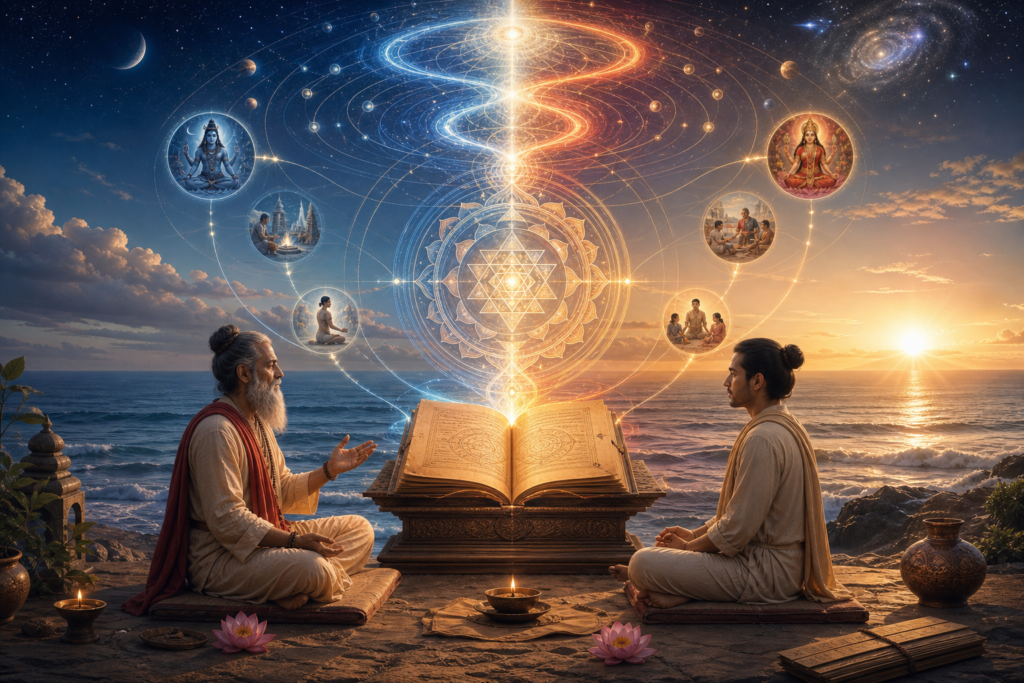
Parallel intuitions appear across dharmic paths. Buddhism cultivates mindfulness of body and senses to reveal the constructed nature of experience and the freedom beyond clinging. Jainism emphasizes disciplined attention and ahimsa through practices like Samayik, engaging the field of experience with ethical clarity. Sikhism invokes Ik Onkar through Simran and seva, recognizing the One permeating nature and society. Each tradition respects spiritual diversity while affirming a unifying insight: careful engagement with experience opens into the boundless.
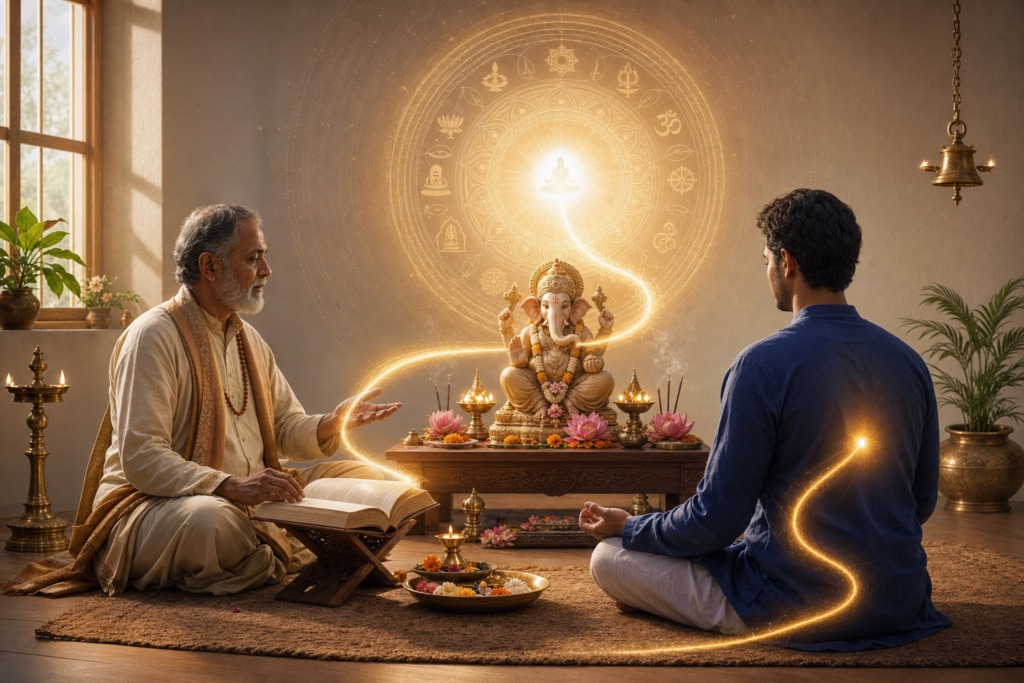
Practically, this convergence suggests a shared discipline. Ground awareness in nature and breath; observe the indriyas with steadiness; employ pratyahara to quiet reactivity; cultivate dhyana for sustained clarity. Ethical commitmentstruthfulness, compassion, restraintstabilize the mind and purify intention, allowing attention to perceive subtler layers (sukshma) beyond the coarse (sthula). Over time, meditation reveals that consciousness is self-luminous and not an object within Prakriti, even as Prakriti remains the pedagogical field for realization.
This approach also reframes daily life as sadhana. Work, relationships, and service become opportunities to study how sensations, thoughts, and emotions arise and pass. Nature offers a coherent mirror: cycles, rhythms, and interdependence demonstrate how experience is patterned without imprisoning awareness. Such contemplative ecology aligns spiritual practice with environmental responsibility, a theme long present in Hinduism and shared by the wider dharmic family.
In sum, the path illuminated by Hindu philosophy shows that Prakriti organizes the means of knowing while infinite consciousness remains the ground of knowing. Engaging Prakriti with disciplined inquirythrough Yoga, Meditation, and the insights of the Upanishadsenables a gentle yet decisive shift from identification with phenomena to abiding in awareness. This is not a sectarian claim but an invitation to unity in spiritual diversity: distinct methods, shared essence, and a common horizon of freedom.
Inspired by this post on Hindu Blog.