An enduring civic inscription in New Delhi asserts that liberty does not simply descend; it must be earned before it can be enjoyed. The statement captures a principle that extends far beyond politics into the heart of spiritual life. When some demand, “Can you show me God?” or “Have you seen God?” as if the Absolute could appear on command, such questionshowever understandableoverlook the discipline, refinement, and ethical transformation that dharmic traditions consistently describe as the precondition for genuine God-realization.
Within Hindu philosophy and the wider dharmic family of Buddhism, Jainism, and Sikhism, the aspiration to “see” the Divine or to directly know ultimate truth is not dismissed; it is contextualized. The act of seeing (darshan) in these traditions is never a mere sensory event. It is a calibrated, ethically grounded, and contemplatively stabilized mode of knowing in which perception, intellect, and heart are purified so that reality can disclose itself as it is, not as the mind’s restlessness projects it to be.
In the Vedic and Vedanta canon, knowledge is understood through pramāṇareliable means of knowingchiefly pratyakṣa (direct perception), anumāna (inference), and śabda (authoritative testimony of realized sages and śāstra). A central insight is that the instrument of knowledge must be fit for its object. Just as microscopes are needed for microbes and radio telescopes for cosmic signals, the mind-heart complex must be refined to behold Godhead or Brahman. The Bhagavad Gita (4.34) advises approaching those “tattva-darśinaḥ”seers of truththrough humility, inquiry, and service, because transformation of the seeker is itself part of the epistemology.
The Upanishads reinforce this stance with remarkable clarity. Katha Upanishad (1.2.23) states that the Self is not attained by much talk, nor by the unprepared; Mundaka Upanishad (3.2.3) adds that the Self is not reached by the weak. Such verses do not extinguish hope; rather, they diagnose the human condition and prescribe an ennobling course of tapas (disciplined effort), śraddhā (faithful confidence), and sādhanā (sustained practice) that render the inner instrument (antaḥkaraṇa) transparent to the Absolute.
Two further doctrinal clarifications matter for seekers of darshan. First, Godhead (Īśvara, Bhagavān, or Brahman) is svatantrautterly autonomousand not an “attending orderly” subject to command. Second, “seeing” transcends the literal eye. The Gita’s theophany (chapter 11) makes this explicit: Arjuna perceives the universal form not through ordinary sight but after receiving divya cakṣu“divine eyes”by grace. The text integrates grace and qualification (adhikāra): preparation enables receptivity; grace consummates vision.
These principles have close analogues across the dharmic spectrum. Buddhism speaks of purifying the mind so that dhammacakkhu (the “Dhamma eye”) opens, disclosing impermanence, non-self, and the end of suffering (dukkha). Jainism outlines the Ratnatrayasamyak darśana (right view), samyak jñāna (right knowledge), and samyak cāritra (right conduct)leading ultimately to kevala-jñāna, direct omniscience beyond distortion. Sikhism emphasizes Naam Simran (remembrance of the Divine Name), kirtan, hukam (alignment with the Divine order), and sevā, through which the heart becomes receptive to Waheguru’s presence. Despite doctrinal differences, all four traditions converge on a shared axiom: disciplined transformation yields reliable vision.
Patañjali’s Yoga Sutra defines the technical arc of this transformation: “yogaś citta-vṛtti-nirodhaḥ”yoga is the resolution of the mind’s fluctuations (1.2). The eight limbsyama, niyama, āsana, prāṇāyāma, pratyāhāra, dhāraṇā, dhyāna, samādhidescribe a progressive stabilization culminating in nondual, unconflicted cognition. The Yoga tradition also honors Īśvara-pranidhāna (1.23; 2.1) as a direct accelerant: devotion to the Divine aligns individual effort with the Absolute’s autonomy, knitting the effort-grace paradox into a single, practicable path.
A helpful synthesis emerges when considering three complementary horizons of realization articulated in Bhāgavata Purāṇa (1.2.11): vadanti tat tattva-vidas tattvaṁ yaj jñānam advayam brahmeti paramātmeti bhagavān iti śabdyate. The Absolute Truth, nondual by nature, is realized as Brahman (impersonal absolute), Paramātmā (immanent indwelling Self), and Bhagavān (the personal Divine). Different seekers, temperaments, and sādhanā emphasize one or another horizon, yet all are facets of a single advaya-jñāna (nondual knowledge). Unifying this triadic vision supports the blog’s aim of dharmic harmony: plurality of experience within a shared quest for ultimate truth.
From the standpoint of preparation (adhikāra), classical Vedānta recommends sādhanā-catuṣṭayaviveka (discrimination between the real and the transient), vairāgya (dispassion), the sixfold virtues (śama, dama, uparati, titikṣā, śraddhā, samādhāna), and a burning yearning for liberation (mumukṣutva). These are not abstract virtues but measurable capacities that reduce reactivity, center attention, and establish ethical clarityprerequisites for sustained God-centered contemplation.
Bhakti mārga details an equally robust protocol. Rūpa Gosvāmi in Bhakti-rasāmṛta-sindhu enumerates a progressive unfolding: adau śraddhā (initial trust), sādhu-saṅga (holy association), bhajana-kriyā (regulated practice), anartha-nivṛtti (clearing of impediments), niṣṭhā (steadfastness), ruci (taste), āsakti (deep attachment), bhāva (spiritual emotion), and prema (pure love). This trajectory does not treat darshan as spectacle; it frames it as a steady revelation in which the heart, refined by nāma-japa, kīrtana, and sevā, becomes a suitable locus for the Divine to be “seen” as presence, guidance, and bliss.
Karma yoga in the Bhagavad Gita adds a vital ethical technology: consecrated action without clinging to outcomes (nishkāma karma). By refining motive and dissolving egoic appropriation, karma yoga purifies the heart (citta-śuddhi) and stabilizes attention. The fruit is not passivity but lucid, compassionate effectivenessprecisely the state that supports reliable spiritual perception.
Jñāna mārga offers the rigorous analytic complement. Through śravaṇa (study of śāstra), manana (reasoned reflection), and nididhyāsana (deep meditation), the seeker removes avidyā (ignorance) and recognizes the Self as unconditioned awareness, the substratum of all experience. This is not nihilism; it is the disclosure of the ground in which all appearances arise and subside. When properly integrated with ethical discipline and devotion, this recognition harmonizes with bhakti’s love and yoga’s stillness.
Across dharmic traditions, these pathways are not competitors but interlocking supports. Buddhism’s Eightfold Path (sīla, samādhi, paññā), Jainism’s vows and austerities, and Sikhism’s inseparable pairing of Simran and Sevā all attest that genuine seeing is never severed from becoming. Vision flowers as character ripens.
Modern seekers sometimes treat “Have you seen God?” as a demand for immediate, sensory proof. Dharmic epistemology treats it instead as an invitation to upgrade the instrument of knowing. A mind agitated by distraction, resentment, or vanity cannot deliver high-fidelity perception. Cultivating sattvaclarity, calm, and goodnessimproves signal-to-noise, and the “God-quest” advances from curiosity to competence.
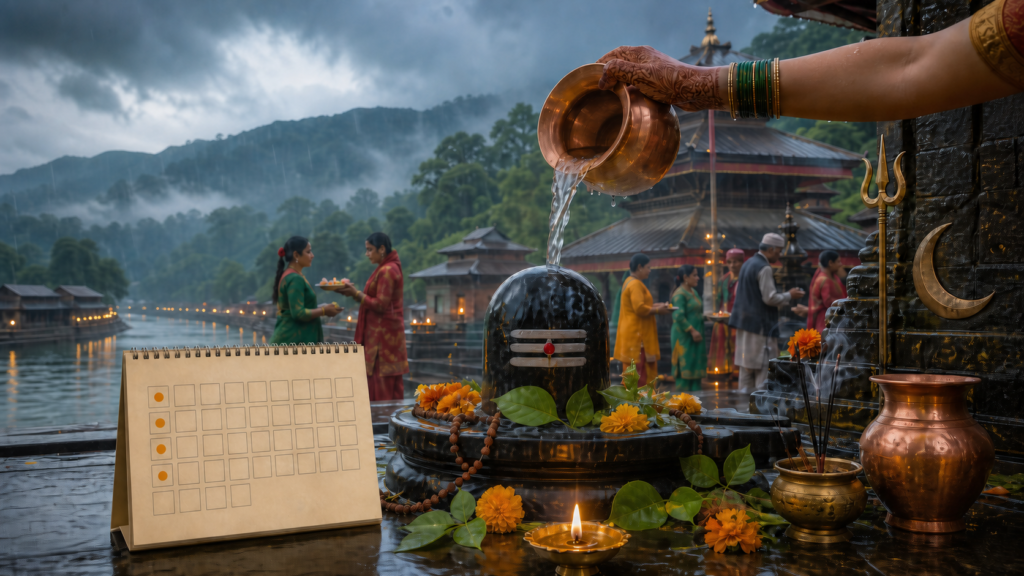
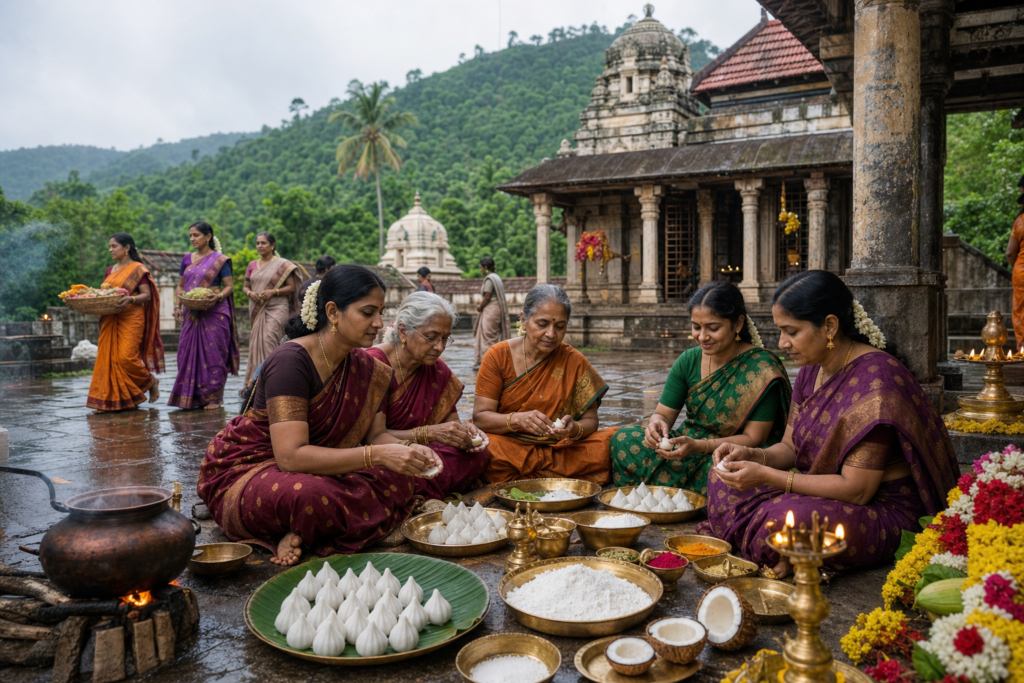
Consider three relatable settings. A pilgrim awaits darshan in a temple queue, silently repeating a mantra; the murti’s gaze, lit by lamps and song, catalyzes an interior stillness that lingers beyond the sanctum. A meditator at dawn watches breath soften and thoughts settle until presence feels self-luminous. A volunteer serves langar or annadāna and senses a quiet joy that is neither earned nor owned. None of these moments is theatrical; each is a training in receptivity through which the Divine becomes perceptible.
Grace remains indispensable. The Gita emphasizes that even mastery of disciplines is completed by the Divine’s initiative: nāhaṁ prakāśaḥ sarvasya yoga-māyā-samāvṛtaḥ (7.25)the Lord is veiled by yogamāyā and is not available to everyone indiscriminately. Yet when qualification and surrender converge, the veil can lift. Far from elitism, this is a spiritual meritocracy wedded to compassion: what is required is not birth or status but sincerity, effort, and openness.
In practical terms, a sound, evidence-based regimen for God-realization in a dharmic key involves daily anchors:
• Ethical baseline (yama–niyama; sīla; small vows) to stabilize behavior.• Structured practice (nāma-japa, prāṇāyāma, dhyāna, or Simran) to steady attention.• Svādhyāya (Bhagavad Gita, Upanishads, Guru Granth Sahib, Dhammapada, or Jain āgamas) to calibrate understanding.• Sevā to dissolve egoic isolation and embody compassion.• Satsaṅga to normalize aspiration, receive correction, and sustain motivation.
Progress admits tangible indicators consistent with classical sources: reduced impulsivity (kṣīṇa klesha), more spontaneous compassion, resilient equanimity in gain and loss, and a deepening taste (ruci) for remembrance. Such signs do not replace vision; they prepare and protect it, ensuring that putative “experiences” are not mere projections.
Common pitfalls include spiritual consumerism (seeking novelty over depth), proof-seeking without preparation (confusing skepticism with rigor), and bypassing ethical work (attempting advanced concentration atop unresolved reactivity). The antidote is patient, incremental integrationprecisely what the dharmic synthesis prescribes.
On the metaphysical question, “Where is Godhead?” dharmic traditions converge on a nonlocal answer. The Divine is both beyond and withintranscendent as Brahman/Paramātman/Bhagavān and immanent as the Self of all beings, as Dharma’s order, as the Name that resounds in the heart. One seeks not a change of location but a transformation of participation: when the mind becomes transparent, Godhead is evident everywheresarvaṁ khalv idaṁ brahma.
This view fosters inter-tradition unity. Whether one names the goal moksha, nirvāṇa, kevala, or sachkhand, the shared method is moral refinement, contemplative stabilization, and surrender to the Real. The labels differ; the labor aligns. Unity therefore does not flattens distinctions; it honors a family resemblance in means and fruits.
Returning to the New Delhi maxim: the “liberty” sought in spiritual life is complete freedom from all conditionsmoksha. Such freedom is not purchased cheaply. It is earned through lived Dharma, illumined by śāstra, guided by a realized guru or community of practice, and consummated by grace. Asking “Can you show me God?” is not misplaced; it simply points back to the truth that the eyes capable of seeing must be fashioned on the anvil of sādhanā.
For those beginning today, simplicity is strength. A few minutes of honest meditation, a measured round of nāma-japa or Simran, a page of Gita or Guru-bāṇī, a deliberate act of servicedone dailycan become the quiet revolution by which seeing matures into knowing, and knowing ripens into love. When effort and grace meet, darshan is no longer an event; it is a way of being.
Thus the dharmic answer to the demand for instant theophany is both compassionate and exacting. Godhead is not withheld capriciously, nor dispensed on demand. The Divine discloses itself where it is welcomed by character, steadied by practice, clarified by understanding, and surrendered by love. That is why true liberation is hard-wonand why, precisely for that reason, it is unshakeably free.
Inspired by this post on Dandavats.