Bound or Beyond? Hinduism’s Perspective on Man and Religious Beliefs
The question of whether a human being is bound by religious beliefs or ultimately free has engaged thinkers for centuries. Within Sanatana Dharma (Hinduism), the inquiry acquires depth because the tradition spans millennia, embraces multiple darshanas (philosophical systems), and preserves an immense corpus of scripturesfrom the Vedas and Upanishads to the Bhagavad Gita and Puranasalongside varied practices in Yoga, Bhakti, and Tantra. Rather than forcing a single answer, Hindu philosophy invites disciplined reflection: beliefs can guide and uplift, but one’s deepest identity, the atman, is beyond conditioning and seeks mokshaliberation from limitation.
In this view, “bound” refers to the ways ideas, habits, and identities shape perception and behavior. The Upanishads teach that the Self is not confined by such layers; beliefs are upadhisuseful conditioning that can both illumine and obscure. Dharma provides the ethical framework for skillful living, while sadhanapractice through meditation, japa, pranayama, and sevapurifies the mind, enabling viveka (discernment). Thus, belief is a means, not an end; the end is inner freedom sustained by responsibility, compassion, and self-knowledge.
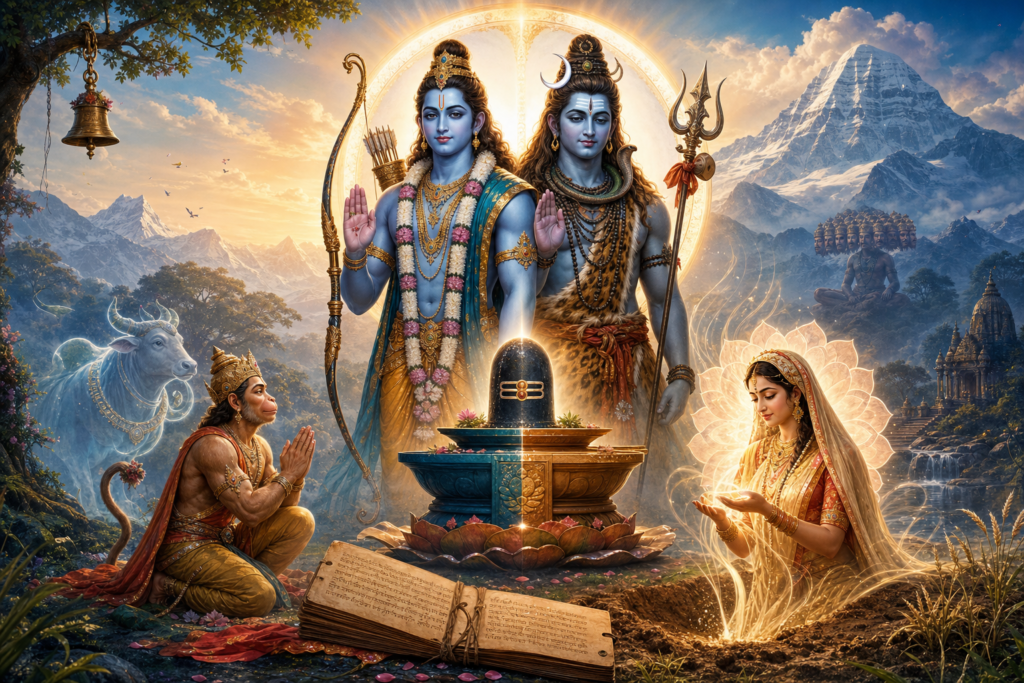
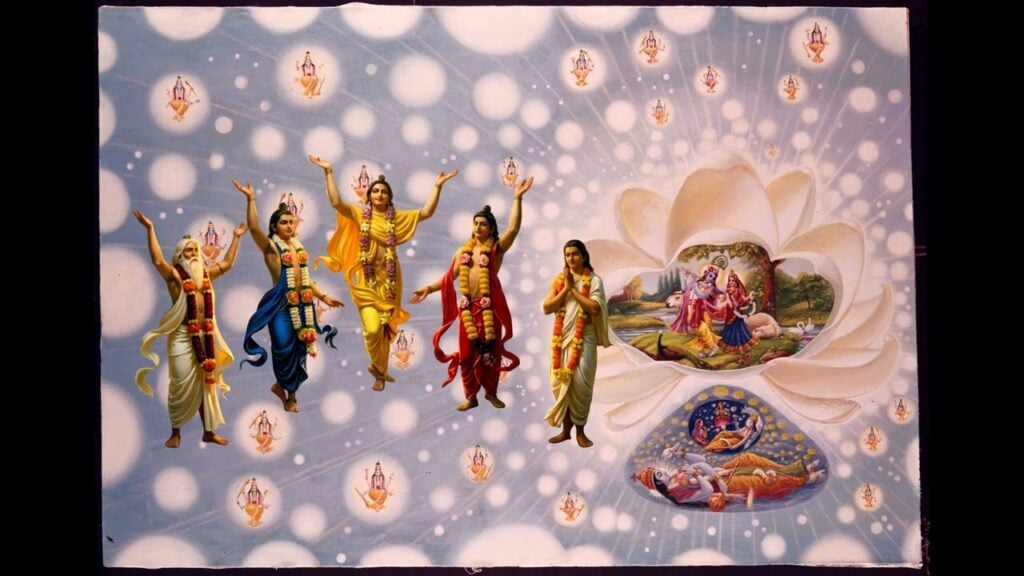
Plurality is not an exception in Hinduism; it is a principle. The concept of Ishta affirms that seekers may approach the Divine through a chosen ideal, allowing devotion to Vishnu, Shiva, Devi, or a formless Brahman without contradiction. Swami Vivekananda articulated this spirit by encouraging reverence for all paths, not merely one’s own. This intellectual and spiritual openness harmonizes with dharmic cousins: Anekantavada in Jainism encourages appreciation of many-sided truth; Buddhism’s insights on anatta and compassion lighten attachment to rigid identity; Sikhism’s affirmation of Ik Onkar and the practice of Naam Simran ground unity with ethical action. Across these traditions, ahimsa (non-violence), humility, and service foster coexistence and shared purpose.
Ethical agency stands at the center of this inquiry. The Bhagavad Gita frames human choice within karma and svadharma: actions shape character and future possibilities. Freedom is not the absence of responsibility, but living in a way that advances lokasangrahathe welfare and cohesion of society. In this light, beliefs should cultivate empathy, integrity, and courage rather than division or dogmatism. When belief motivates self-transformation and public-mindedness, it loosens bondage rather than tightening it.
Hindu scripture and practice repeatedly privilege sadhana over sectarianism. Meditation stabilizes attention; pranayama refines prana; japa attunes speech and mind; seva widens the circle of care. As these disciplines mature, identity grows more inclusive and less reactive. The result is a practical spirituality: convictions that are deeply held yet lightly worn. Such maturity nurtures religious tolerance, interfaith dialogue, and a culture of listeningfoundations of unity in diversity.
History shows that India’s civilizational fabric thrives when multiple spiritual paths cooperate. Religious pluralism in India is not merely policy; it is a lived ethic nourished by dharma, ahimsa, and mutual respect. Rather than contesting for dominance, Dharmic traditions model coexistence through shared valuestruthfulness, compassion, self-restraint, and service. This orientation naturally supports respectful dialogue with all faiths, encouraging common ground and collaborative problem-solving.
Everyday experience reinforces these principles. Many find that a short period of pranayama before difficult decisions clarifies judgment. Others observe that volunteering (seva) reduces self-centeredness and softens conflicts in families and workplaces. Regular study of the Upanishads or the Bhagavad Gita provides perspective when life narrows around anxiety or grievance. Over time, belief becomes a compass rather than a cageguiding without constricting.
So, is a person bound by religious beliefs? From a Dharmic standpoint, both dynamics operate: beliefs can shape and limit, yet they can also refine and liberate when oriented toward truth and compassion. The aim is not to abandon belief but to align it with dharma, deepen it through sadhana, and temper it with humility. Hinduism, Buddhism, Jainism, and Sikhism together offer a coherent answer: spiritual maturity transforms belief into wisdom, affirms freedom with responsibility, and strengthens social harmony through unity in diversity.
Inspired by this post on Hindu Blog.