The Joshmani religious sect in Hinduism is noted for its emphasis on the Nirguna aspect of the DivineGod understood as without attributes or form (nirguṇa-nirākāra). This orientation, grounded in Vedanta and resonant with the Upanishadic insight of neti neti, privileges inner realization over outward display. Rather than opposing the broader Hindu spectrum, it offers a complementary lens alongside Saguna traditions that lovingly approach the Divine through name, form, and qualities.
Philosophically, the Joshmani stance affirms that the ineffable Absolute can be approached through silence, contemplation, and direct experience. Within Hinduism’s vast tapestry, this view does not negate Saguna bhakti; instead, it underscores the plurality of valid pathways. In this sense, Nirguna and Saguna are better understood as convergent perspectives, each illuminating facets of the same ultimate reality.
Historically, the Joshmanis expressed skepticism toward certain Brahmanic rituals, preferring simple devotion (bhakti), contemplation (dhyāna), and ethical living as more reliable conduits to spiritual clarity. This posture reflected a reformist impulse aimed at substance over ceremony, without dismissing the Vedic heritage from which it arose. The focus remained steady: cultivate inner purity, reduce ritual excess, and sustain a life anchored in truthfulness, compassion, and restraint.
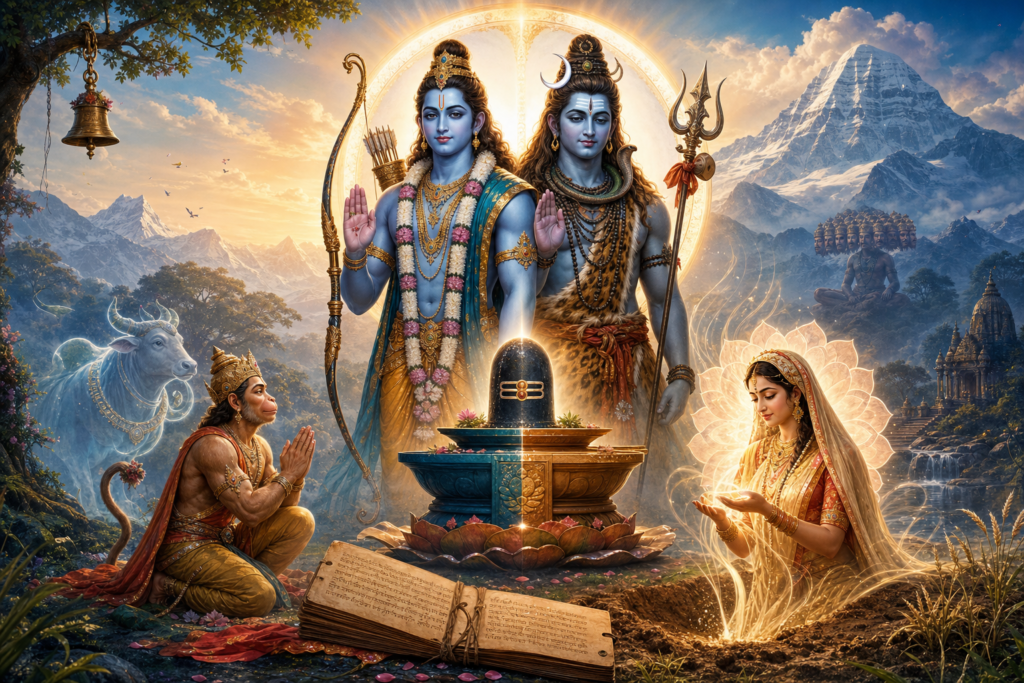
Aligned with Hinduism’s ethos of Ishta, the Joshmani tradition respects the seeker’s chosen formor formlessnessof the Divine, validating diverse mārga-s (bhakti, jñāna, karma, and yoga). This pluralism naturally harmonizes with Jain anekāntavāda (many-sidedness of truth), with Sikh reflections on the Nirgun-Sargun continuum, and with Buddhist disciplines that emphasize non-attachment and direct insight. Such affinities strengthen the unity of the dharmic family while honoring the integrity of each path.
Where some religious models elevate a single exclusive route to salvation, the Joshmani approach highlights India’s longstanding ideal of Religious Pluralism and Unity in Diversity. It sees spiritual difference as a source of enrichment rather than conflict, fostering mutual respect among Hindu sects and deepening interrelated bonds with Buddhism, Jainism, and Sikhism. The result is a framework that invites dialogue, humility, and shared ethical commitment.
In contemporary life, this tradition offers practical relevance: quiet meditation, reflective study of the Upanishads, simple seva (service), and mindful restraint can center the mind amid rapid change. Its emphasis on inner transformation over outward markers provides accessibility to seekers regardless of background, reaffirming that profound devotion does not depend on elaborate rites but on sincerity and steadiness of practice.
By illuminating a gentle yet rigorous path of Nirguna devotion, the Joshmani sect contributes to the Bhakti Tradition while strengthening bonds across dharmic traditions. It invites practitioners to deepen silence, refine discernment, and widen compassionnurturing a shared spiritual culture in which many valid forms of worship coexist, converse, and ultimately converge.
Inspired by this post on Hindu Blog.