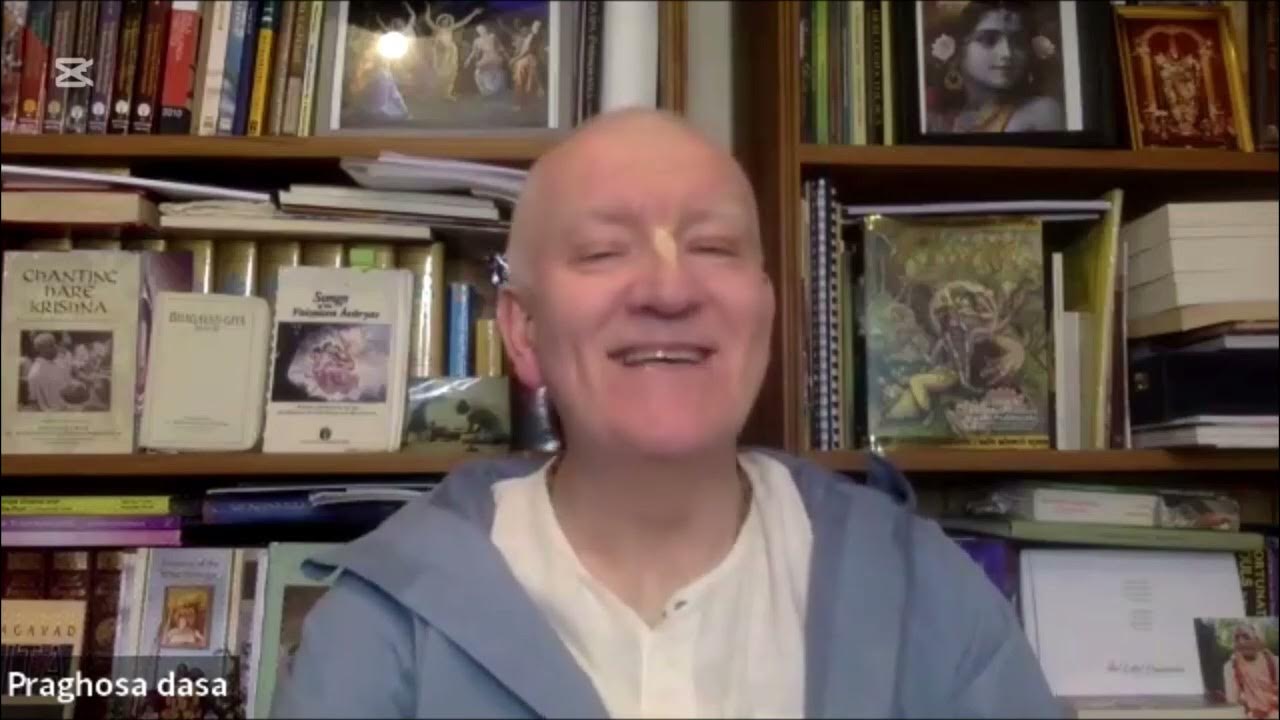
Praghosa Prabhu’s reflection on the words of the Founder Acarya presents a clear and compassionate reminder of the guru’s universal role in Krishna consciousness. It emphasizes that the soul is not defined by bodily distinctions such as gender, caste, or nationality, and that genuine spiritual leadership arises from realized knowledge, character, and commitment to dharma.
Consistent with Srila Prabhupada’s guidance, spiritual qualificationnot genderstands as the true criterion for becoming a guru. Srila Prabhupada encouraged all disciples, men and women, to embody and share Krishna consciousness through sincere practice, teaching, and service. Within the Guru-Shishya Tradition of the Bhakti Tradition, this position affirms that realization, humility, and the ability to guide others outweigh external labels.
This principle resonates across dharmic traditionsHinduism, Buddhism, Jainism, and Sikhismwhere the revered teacher (guru, acharya, upadhyaya) is recognized by realized wisdom, ethical conduct, and the capacity to awaken devotion and insight. Such a framework strengthens unity in spiritual diversity and advances spiritual inclusivity, aligning communal life with an inclusive and merit-based understanding of the Role of Guru.
Many communities observe that guidance from teachers of diverse backgrounds, including women in spirituality, has clarified sadhana, deepened scriptural understanding, and enlivened kirtan and seva. These lived experiences suggest that inner realization, compassionate leadership, and fidelity to siddhantanot external identityare the factors that catalyze transformation and sustain devotion in Krishna consciousness.
In practical terms, communities thrive when leadership is evaluated through clear criteria: clarity in siddhanta, steadiness in sadhana, humility, accountability to tradition, and a demonstrable ability to guide students responsibly. Such an approach preserves the integrity of parampara while encouraging every sincere seeker to cultivate excellence in study, practice, and service.
Affirming spiritual qualification as the basis for the guru’s role honors Srila Prabhupada’s vision and supports harmony across dharmic traditions. By recognizing genuine guidance wherever it appears, communities strengthen bhakti, deepen wisdom, and embody unity in spiritual diversityprinciples that uplift every seeker on the path to Krishna.
Inspired by this post on Dandavats.