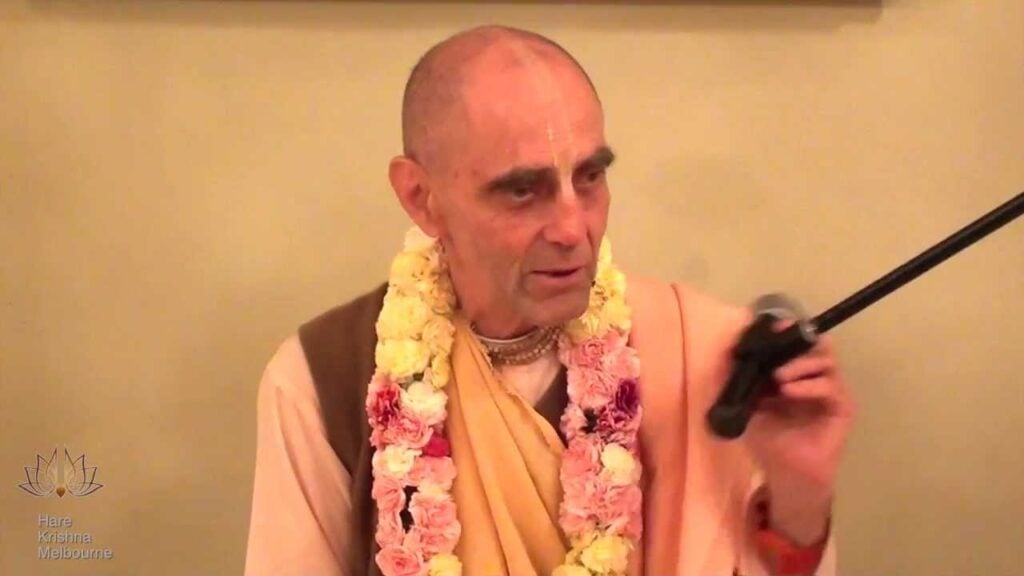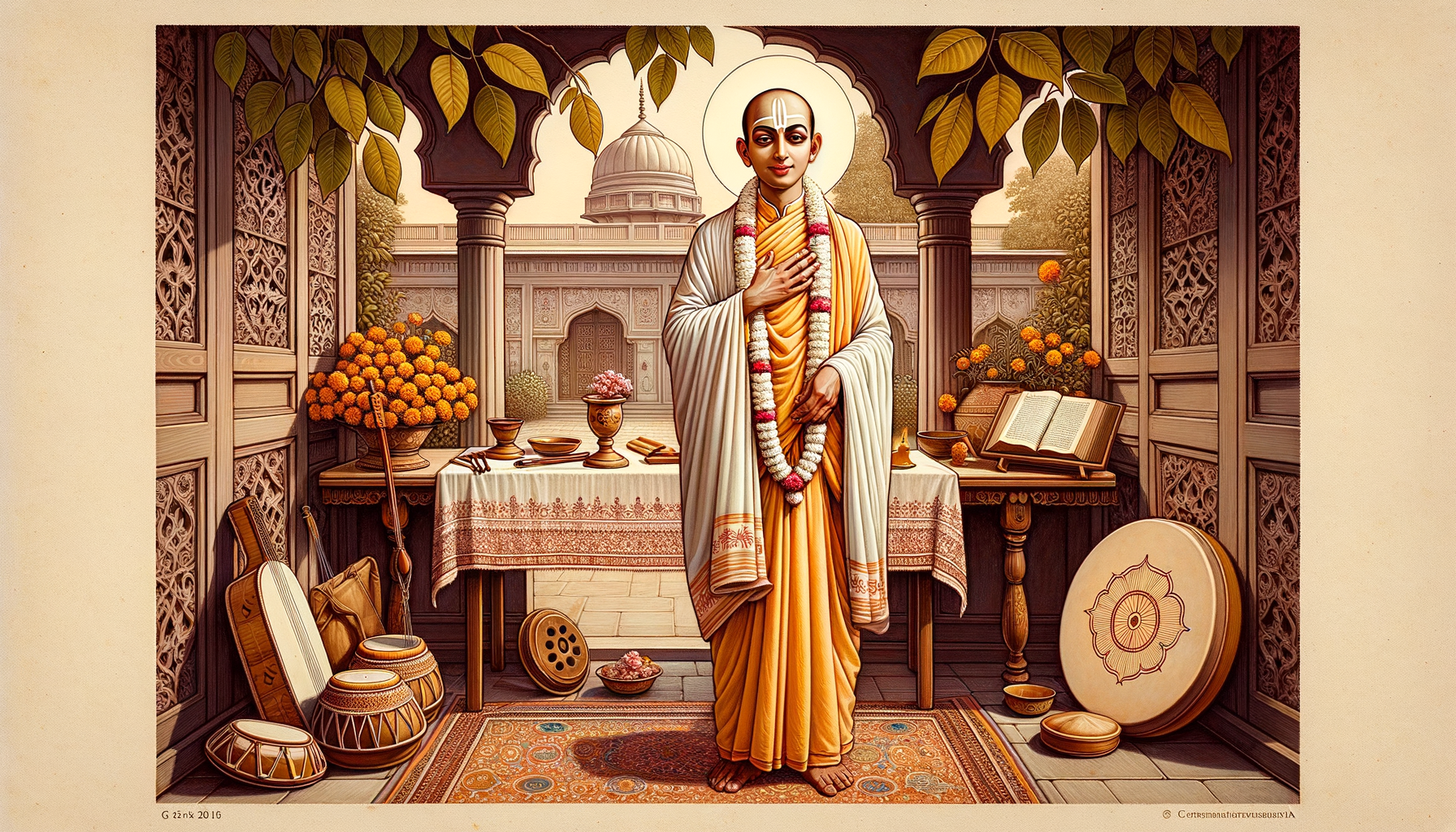
Srila Bhaktisiddhanta Sarasvati’s reflections on fault-finding offer a precise ethic for spiritual communities seeking harmony and depth. His well-known admonition, “In this world we spend hundreds of gallons of blood to bring a person out of the clutches of maya,” underscores how arduous genuine transformation is and why communities ought to conserve their moral energy for upliftment rather than criticism. Within the Bhakti Tradition and broader Hindu Dharma, this principle reframes spiritual leadership as compassionate stewardship, aligning corrective guidance with humility and care.
An instructive episode recounts devotees establishing a preaching center in Bengal. They labored day and night to prepare a dignified space for service. When Srila Bhaktisiddhanta Sarasvati arrived to inaugurate the center, the enduring takeaway associated with his guidance was unambiguous: while external excellence is commendable, inner refinementfreedom from fault-finding, self-discipline, and sincere sevaremains paramount. The narrative continues to serve as a practical compass for institutions that aspire to unite rigor with compassion.
This ethic of minimizing fault-finding resonates across the dharmic traditions of Hinduism, Buddhism, Jainism, and Sikhism. Each emphasizes inner scrutiny over outward blame, ahimsa in thought and speech, and the cultivation of maitri (friendliness) and kshama (forgiveness). Such shared values naturally foster unity in diversity and interfaith harmony within the dharmic family, reducing sectarian tensions and nurturing trust across sanghas, maths, temples, and community organizations.
In practical terms, the teaching recommends measured speech, restraint in judgment, and deliberate redirection of critical impulses toward constructive service. Communities can cultivate habits such as pausing before commentary, asking whether feedback alleviates suffering, and ensuring that guidance is delivered with dignity, not derision. These disciplines reinforce the Guru–Shishya Relationship, strengthen institutional culture, and align daily conduct with long-standing scriptural ideals of compassion and self-mastery.
The principle also bears particular relevance in contexts of rehabilitation and social reintegration, where stigma can impede growth. By centering dignity and hope, spiritual outreachwhether in temples, educational settings, or correctional environmentstranslates Bhakti’s compassion into tangible change. The emphasis is not on overlooking wrongdoing but on guiding transformation with care, patience, and accountability.
Ultimately, Srila Bhaktisiddhanta Sarasvati’s counsel converts moral energy into altruistic action: less time spent on fault-finding means more time invested in kirtan, study, seva, and the supportive relationships that sustain spiritual life. As communities embody this ethic, unity among dharmic traditions becomes not merely an aspiration but a lived practicerooted in shared values, expressed through compassionate discipline, and sustained by a resolute commitment to uplift every seeker from the clutches of maya.
Inspired by this post on Dandavats.