
-
Escape the Respect Trap: How Hindu Wisdom Frees the Mind From Approval and Ego

The need for respect becomes a psychological prison when self-worth depends on praise, status, agreement, or recognition. This long-form analysis explains how approval-seeking develops through social conditioning, cognitive distortion, bodily arousal, and repeated habits. It distinguishes healthy dignity and ethical respect from deference, validation, people-pleasing, and egoic dependence. Teachings from the Bhagavad Gita, Yoga Sutras,…
-
Backbiting and Dharma: Psychological, Social, and Karmic CostsPlus Practical Remedies

Backbiting may appear trivial, yet dharmic ethics and modern psychology converge on its real costs: eroded trust, increased anxiety, fragmented communities, and deepened karmic imprints. Hinduism (Bhagavad Gita 17.15), Buddhism (Right Speech), Jainism (ahimsa and satya), and Sikhism (rejection of ninda) all prescribe compassionate, truthful, and beneficial speech. Research likewise shows that malicious gossip undermines…
-
Insults Reveal Insecurity: Dharmic Wisdom on Speech, Self‑Mastery, and Real Strength
Insults are often misread as strength, yet dharmic traditions consistently treat them as signs of insecurity and weak self-mastery. Drawing on the Bhagavad Gita, Dharmaśāstra, Buddhist Right Speech, Jain vows, and Sikh teachings, this analysis outlines a rigorous fourfold test for ethical speech: non-agitating, true, beneficial, and skillfully delivered. Contemporary psychology and neuroscience corroborate these…
-
Beyond the Mirror: A Wedding Dress Metaphor for Unshakable, Authentic Leadership

A bridal studio offers an unexpected lens on authentic leadership: selection is less about universal approval and more about precise alignment. This long-form analysis translates a wedding dress metaphor into actionable principles for values-based leadership, emotional resilience, and psychological safety. It distinguishes healthy adaptability from self-abandonment and explains why excellence without congruence erodes influence. Drawing…
-
Srila Bhaktisiddhanta on Fault-Finding: A Powerful Call to Compassion and Dharmic Unity
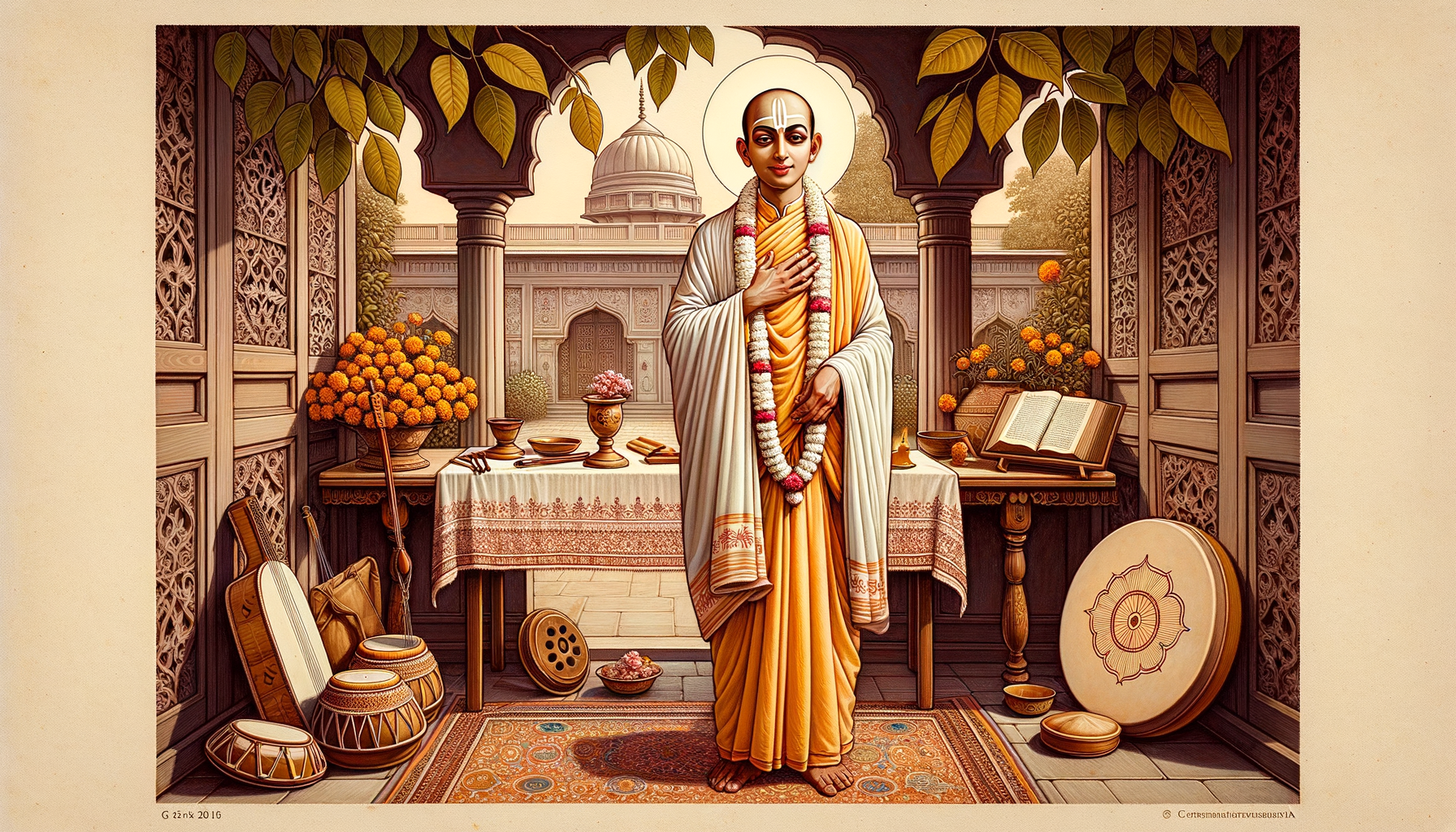
Srila Bhaktisiddhanta Sarasvati’s guidance on fault-finding centers on compassionate discipline and the hard work of uplifting others. His reminder“In this world we spend hundreds of gallons of blood to bring a person out of the clutches of maya”clarifies why criticism should yield to constructive service. An anecdote from a preaching center in Bengal illustrates that…
-
When Family Says You’re Always Wrong: Dharmic, Evidence-Based Strategies to Reclaim Inner Balance

Many individuals feel unfairly criticized by family despite sincere effort. A dharmic response begins by dropping absolutes like “always,” tracking real instances of criticism, and inviting specific feedback. Shared principles across Hinduism, Buddhism, Jainism, and Sikhismahimsa, mindfulness, non-attachment (nishkama karma), and sevaguide calm, constructive action. Practical steps include setting kind boundaries, using precise and solution-focused…
-
11 Compassionate Ways to Handle Criticism: Dharmic Wisdom for Calm, Clarity, and Growth

Criticism can be transformed from discomfort into growth with a calm, dharmic approach. Drawing inspiration from Satsang guidance associated with Sri Sri Ravishankar Guruji and consonant with shared values across Hinduism, Buddhism, Jainism, and Sikhism, these 11 principles emphasize mindfulness, compassion, and equanimity. Readers learn to pause before reacting, listen deeply, and separate message from…