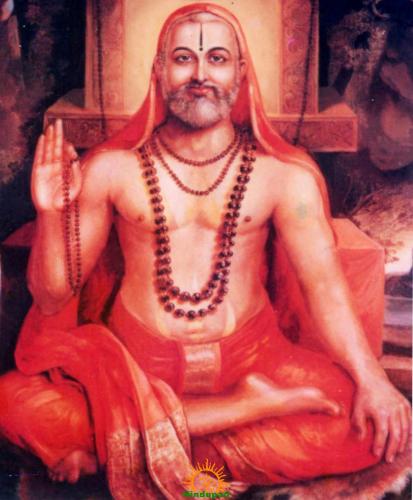
Across Ancient India and the broader dharmic ecumene, a recurring civilizational arc is visible: lives beginning in modest circumstances rise to eminence through learning, disciplined practice, and public service. This ascent is not merely individual; it is scaffolded by enduring institutions, shared ethical ideals, and a plural philosophy of truth that binds Hindu, Buddhist, Jain, and Sikh traditions into a coherent, mutually nourishing tapestry.
Viewed through five interlocking lensesscholarship, faith, struggle, legacy, and inspirationthis journey reveals an integrative pathway from scarcity to significance. Scholarship supplies the method, faith offers the motive and meaning, struggle provides the crucible for character, legacy preserves and transmits achievement, and inspiration replenishes societal hope. Together, these vectors demonstrate how dharmic traditions cultivate excellence without sacrificing humility or pluralism.
Scholarship has long served as a social equalizer in Indian civilization. The Guru-Shishya Tradition connected gifted learners with accomplished mentors across gurukulas, mathas, vihāras, and, later, gurdwara-supported schools. Learning was not abstract accumulation; it integrated grammar, logic, mathematics, medicine, arts, and ethics with spiritual practice. Institutions such as Nalanda University and other learning centers embedded peer review, debate, and commentary traditions that elevated rigorous inquiry while honoring civility.
Within Hindu knowledge systems, the Upanishads, vedanta, Nyāya, Mīmāṁsā, Vyākaraṇa, and Gaṇita cultivated exacting standards of analysis. Commentarial lineages preserved and extended insights across centuries, making dense ideas teachable and testable. From the hermeneutics of śruti and smṛti to applied mathematics and astronomy, the ecosystem prized vidyā yoked to vinaya (knowledge conjoined with humility). The result was not only intellectual sophistication but also character formation aligned with dharma and lokasaṅgraha (the welfare of all).
Buddhist scholasticism developed complementary strengths. Monastic universities such as Nalanda and Vikramaśīla nurtured debate cultures that refined doctrines like Madhyamaka and Yogācāra while sustaining exacting training in ethics and contemplative disciplines. Pāli and Sanskrit canons, supported by rigorous commentaries, produced scholar-practitioners whose authority rested as much on lived discipline as on textual masterya synergy that ensured learning remained a means to alleviate suffering, not an end in itself.
Jain intellectual traditions added further depth through Anekantavada, the many-sidedness of truth, and its methodological complement Syādvāda. These ideas cultivated habits of epistemic humility, charitable interpretation, and non-violent dialogue. Scholarship blossomed in both linguistic and mathematical domains, as seen in works of polymaths like Hemacandra. The Jain vow of Ahimsa, tethered to precise ethical analysis, ensured that knowledge advanced alongside responsibility for all living beings.
The Sikh tradition democratized learning through Gurmukhi and embedded pedagogy within the daily life of the sangat (community). The compilation and custodianship of the Guru Granth Sahib established a canonical focus on Naam Simran, truthful labor, and Seva, turning gurdwaras into living classrooms and community kitchens (langar). This integration of literacy, liturgy, ethics, and service cultivated leaders whose eminence was measured in uplift of others rather than in personal acclaim.
Faith in the dharmic context functions as disciplined praxis, not blind assent. In Hindu streams, bhakti, japa, dhyāna, and yama-niyama anchor daily conduct; in Buddhism, śraddhā, sīla, and mindfulness stabilize mind and behavior; in Jainism, pratikraman and samayik align self-scrutiny with non-violence; in Sikhism, simran, kirtan, and Seva harmonize remembrance with social responsibility. Each tradition frames transcendencemoksha or nirvāṇathrough habits that simultaneously refine character and benefit the community.
Struggle is the crucible through which ideals harden into enduring virtue. Material hardship, social barriers, and historical dislocations, including colonial disruptions to indigenous education, tested but could not extinguish the scholarship-centered ethos. Examples abound of seekers who navigated poverty and doubt to become exemplars of plural wisdom. Swami Vivekananda’s articulation of Ishtathe right to a chosen spiritual idealexemplified how resilience and broad-mindedness elevate both individual destiny and civilizational harmony.
Crucially, collective institutions convert individual struggle into shared advancement. Gurukulas and pathshalas offered structured learning; mathas and vihāras safeguarded libraries, debate halls, and endowments; gurdwaras institutionalized nourishment and dignity through langar. These frameworks channeled private aspiration into public good, ensuring that the ascent to eminence uplifted the many, not the few.
A pragmatic blueprint for ascent can be expressed through five vectors. First, Vidyā: commit to structured study across grammar, logic, history, mathematics, and ethics, drawing on classical commentaries and modern critical methods. Second, Sādhana: integrate breathwork, dhyāna or samayik, and simran into daily rhythms to stabilize attention and intention. Third, Seva: translate learning into measurable benefit for othersfree tutoring, community kitchens, or manuscript preservation. Fourth, Saṅgha: cultivate multi-generational mentorship and peer review to refine judgment. Fifth, Śraddhā: anchor all effort in honesty, restraint, and compassionAhimsa in deed and word.
Technically, this framework lends itself to a staged curriculum. Novices begin with language fundamentals (Sanskrit, Pāli, Prakrit, or Gurmukhi), core ethical precepts, and contemplative hygiene. Intermediates add hermeneutics, historiography, and comparative philosophyUpanishadic and vedantic inquiries in dialogue with Madhyamaka, Anekantavada, and Sikh scriptural exegesis. Advanced practitioners integrate public-facing projectstextual editions, translations, digital archives, and community serviceso that scholarship circulates beyond classrooms into civic life.
Measuring eminence requires ethical metrics. Rather than centering charisma or wealth, assessment prioritizes clarity of exposition, integrity in debate, originality balanced by fidelity to sources, and demonstrable social impact. Outputs include well-argued commentaries, accessible translations, mentorship lineages, and service institutions that endure. Guardrailstruthfulness, non-appropriation, and non-harmensure that recognition follows responsibility, not the reverse.
Historiography must resist both ahistoricity and polemic. Triangulating inscriptions, archaeology, and textual criticism clarifies continuities and ruptures without flattening complexity. Anekantavada offers a methodological ethic: multiple perspectives, provisionally held, tested by evidence and compassion. This stance defuses sectarian anxiety and sustains rigorous yet charitable scholarship.
Legacy operates along two channels: living practice and institutional memory. Living practice preserves speech-forms (mantra, kirtan), bodily disciplines, and ethical vows. Institutional memory conserves manuscripts, commentaries, and libraries, increasingly via digitization. Languages such as Sanskrit, Pāli, Prakrit, and Gurmukhi are not mere vehicles of transmission; they are precision instruments that shape thought, dialogue, and discovery.
Inspiration thrives in the ordinary. A village child reciting the Gayatri or the Mool Mantar with quiet confidence, a Jain family observing pratikraman together, a university student volunteering in a weekend langar, or a research group restoring a damaged palm-leaf manuscripteach scene murmurs the same message: eminence is a byproduct of faithful attention to small, repeated acts aligned with the welfare of all.
The four sister traditions converge on shared virtuestruthfulness, compassion, restraint, serviceand on a plural theory of knowledge. Ishta in the Hindu fold, the Buddhist ethic of karuṇā grounded in rigorous analysis, the Jain commitment to Ahimsa shaped by many-sided reasoning, and the Sikh fusion of simran with Seva form an interlocking lattice. Diversity here is not dilution; it is a multiplier of insight and empathy that fortifies unity in religious diversity.
From modest roots to enduring eminence, the dharmic pathway is clear: cultivate scholarship, deepen faith through practice, refine character in struggle, bequeath an ethical legacy, and kindle inspiration that outlives the self. When these strands are woven together with humility and care, personal transformation scales into civilizational resilienceand unity across Hinduism, Buddhism, Jainism, and Sikhism moves from aspiration to lived reality.
Inspired by this post on SikhNet – News.