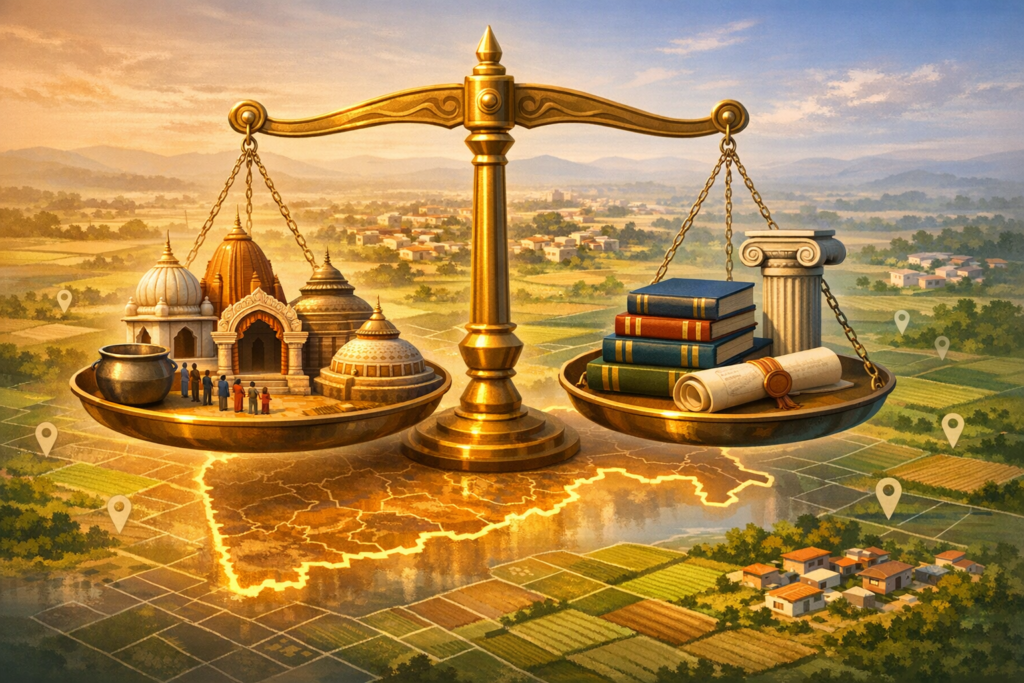
Recent commentary surrounding Salman Rushdie has reignited a difficult but important discussion about Hinduphobia, political polarization, and the ethics of public discourse. The conversation is emotionally charged in part because Rushdie’s biography is inseparable from decades of persecution: a clerical death decree, prolonged exile, bans, cancellations, and a near-fatal attack. Against this backdrop, some voices now argue that Rushdie unfairly targets India’s Prime Minister Narendra Modi and Hindus. Such claims deserve careful, evidence-based assessment that separates legitimate criticism, political opinion, and prejudice, while consciously steering away from collective blame.
Concerns about the normalization of Hinduphobia echo a broader pattern: prejudice against any community corrodes social trust and distorts public debate. Conflating individuals with entire traditions—whether Hinduism, Buddhism, Jainism, Sikhism, or Islam—risks entrenching stereotypes and escalating grievance. A more constructive approach acknowledges real harms while refusing the language of vilification. Many readers understandably feel disquiet when faith communities are caricatured; that instinct can be channeled toward principled dialogue and civic solidarity rather than reciprocal hostility.
Historical references to Dharma-Yuddha often surface in moments of heightened anxiety. Properly understood, Dharma-Yuddha frames ethical constraints on conflict, emphasizing proportionality, protection of non-combatants, and a preference for peaceful resolution when possible. Invoking such concepts responsibly today means upholding constitutional order, the rule of law, and non-violence. Rather than valorizing strife, Indian civilizational thought offers a robust vocabulary—ahimsa, karuṇa, daya, and sewa—for restraining anger and guiding communities back to reconciliation.
The videos referenced in the discussion present a critique of Rushdie’s public remarks, contending that his framing absolves Islamist extremism while assigning blame to Hindus and Modi. These interventions should be approached as opinion and analyzed on their merits: What evidence is presented? Are claims contextualized? Do they avoid essentializing entire communities? Readers can apply the same standards to Rushdie’s comments, recognizing that free expression entails both the right to speak and the responsibility to reason carefully.
For societies to resist the cycle of provocation and reaction, it helps to distinguish critique of specific policies or actors from disparagement of faith traditions. Hinduphobia—like any form of religious bigotry—ought to be named and opposed. At the same time, plural traditions in South Asia have long practiced coexistence through shared ethics and intertwined cultures. Re-centering this inheritance can reduce the temperature of present debates and reaffirm the dignity of all communities involved.
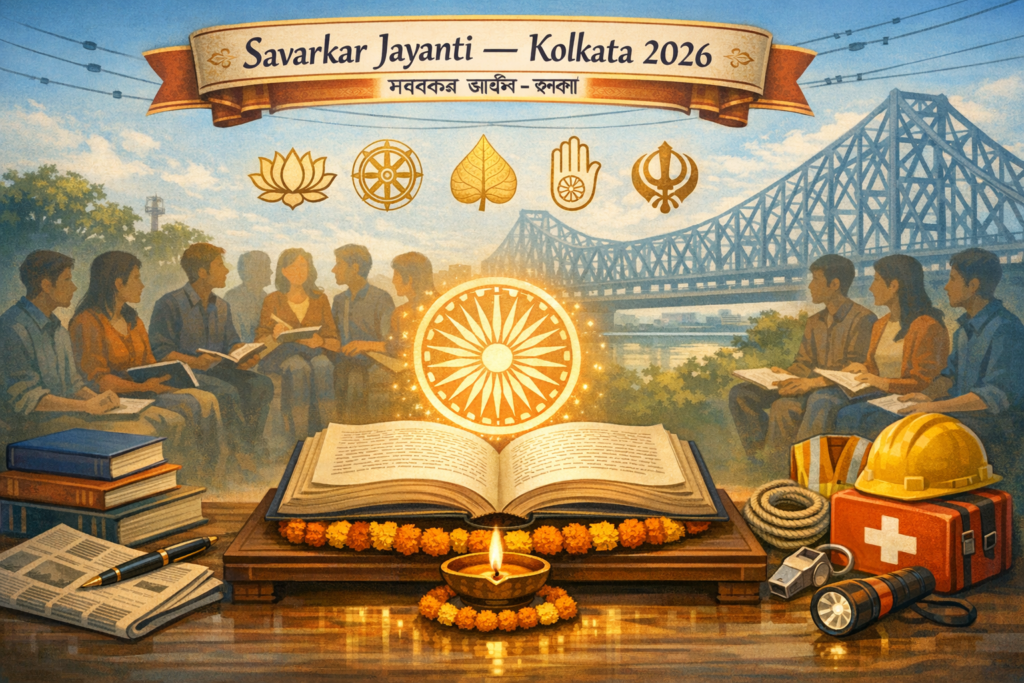
Unity among dharmic traditions—Hinduism, Buddhism, Jainism, and Sikhism—rests on a common ethos: reverence for life, compassion, and the freedom to pursue spiritual truth through diverse paths. Strengthening that unity does not require denial of past or present harms; it requires a commitment to address them without scapegoating. Practical steps include supporting interfaith dialogue, investing in rigorous scholarship, promoting media literacy, and insisting on language that critiques actions rather than identities.
Ultimately, a resilient public sphere neither suppresses difficult speech nor indulges dehumanizing rhetoric. It rewards precision, historical context, and empathy. By reframing the Rushdie debate away from blame and toward ethical clarity, communities can confront Hinduphobia, defend freedom of expression, and cultivate a culture where disagreement—however sharp—does not fracture the bonds of a shared civic life.
Inspired by this post on Hindu Human Rights Blog.